


Intercultural Crosstalk
Foreign Residents Supporting Other Foreign Residents ③Moving Forward with Support
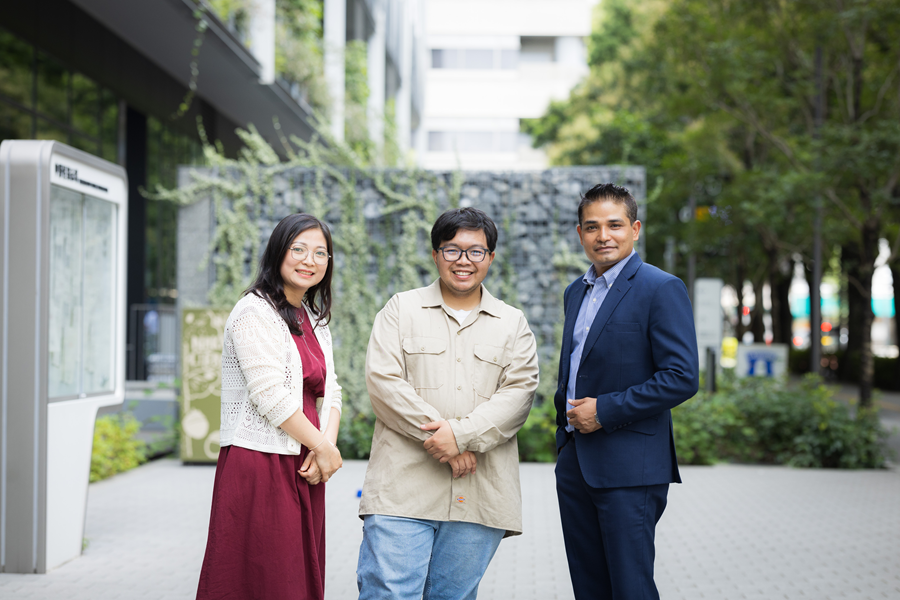
See their profiles here
Click for “1st Round” Here
Round 3: Moving Forward with Support
This is the final installment of our 3-part series of roundtable discussions titled “Foreign Residents Supporting Other Foreign Residents.”
We’ll hear from the 3 participants about their future prospects as they put their experiences to good use.
As Individuals Supporting Foreign Residents, Please Tell Us What You Think Could Be Improved in Japanese Society.
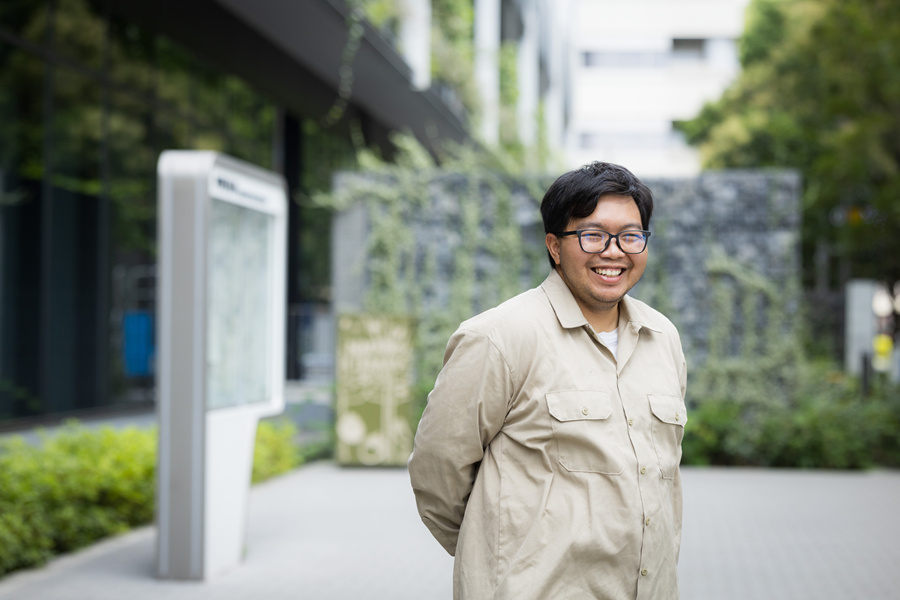
I believe Japanese language education for adults is important. Recently, the number of multilingual materials at the city office has increased significantly. There are even materials in Nepali—something that didn’t exist at all when I first came to Japan. While that’s very thoughtful, I also want foreign residents to recognize that they need to “study Japanese themselves.” If you’re going to live in Japan, Japanese is, after all, essential. I think the current government is gradually shifting its focus in that direction, so I have high hopes for the future.
I’m a little concerned about whether the requirements for residency status actually align with the realities of today’s society.
For example, depending on the residency status, there are criteria such as “JLPT (Japanese Language Proficiency Test) Level N○ or higher,” but when I look at the situation on the ground, there are people who hold a JLPT N2 certificate but still can’t hold a conversation. It’s difficult to gauge actual language proficiency based on exams alone. Rather than adopting standards and systems similar to those in other countries, I feel it would be better for Japan to create its own system tailored to Japan’s specific needs.
I wish there were a system in place to consider the future of children with foreign roots. In the future, changes to residency status regulations, there may be cases where parents lose their residency status while their children are still in school. I’m worried that if a child who was born and raised in Japan and speaks only Japanese suddenly has to return to their home country, it will be difficult for them to continue their education. I feel that if there were a system allowing children to stay in Japan on their own to continue their studies, it would reduce the difficulties they face when advancing to higher education.
Please Tell Us What You Hope or Expect From Japanese Citizens and Foreign Citizens, Respectively.
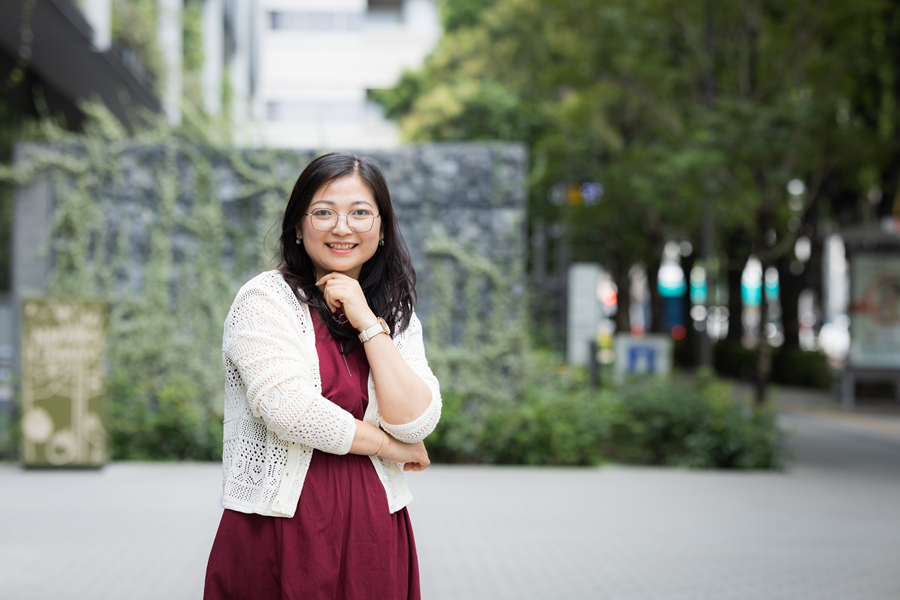
To reiterate, for foreigners, it really comes down to Japanese language proficiency. I hope they’ll make an effort to improve their language skills.
And as for Japanese nationals, I hope you’ll be kind to foreigners who are doing their best. There may be times when communication barriers cause difficulties, but I’d really appreciate it if you could understand that most foreigners are making an effort. I believe that by both sides meeting each other halfway, we’ll be able to do our jobs better.
That’s true. Foreigners need to make an effort. I hope they’ll try to learn not only Japanese but also Japanese rules and culture. However, rather than struggling too much on their own or worrying too much, I’d like them to reach out to support services or other resources. It’s important to rely on kind people who have accurate information.
I feel that a willingness to meet each other halfway is important. Since we’ve grown up in different countries, it’s only natural that our cultures are different. For example, back in my home country of Indonesia, I was once surprised to see Japanese people eating with their hands dishes that we typically eat with chopsticks. But then again, I’m sure there have been times when I’ve made mistakes in how to eat Japanese food. Still, I think if we treat each other as friends, those little things won’t bother us so much.
Do You Think the Support You Provide Will Be Needed by More People in the Future?
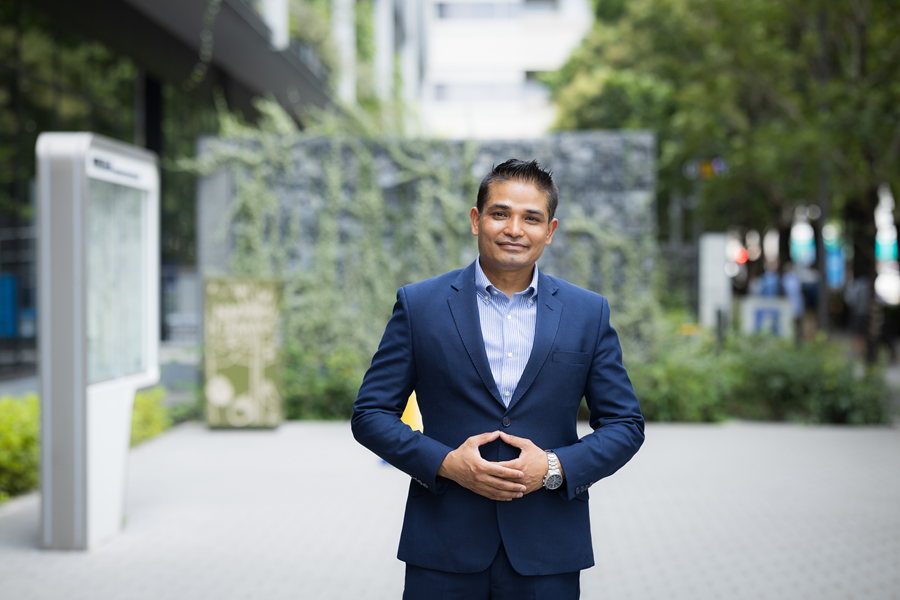
There are a lot of people in central Tokyo, but when I go on business trips to the suburbs, I really feel the population decline. While there are various issues, as long as the working-age population in rural areas continues to shrink, I think the number of foreign workers will continue to rise, and the support needed to accommodate them will also be necessary.
Over the past few years, the number of Nepali residents has increased significantly. Both the number of international students and workers has gone up. As the foreign population continues to grow, I think there will be an increasing need for support in the future.
I also think support will become increasingly necessary. The foreign population has grown considerably since I first came to Japan.
One thing that stands out to me is the advancement of AI. The accuracy of interpretation and translation has improved significantly, so I think those areas will likely be replaced by AI in the future.
It’s true that the kind of support people need may change over time.
What Do You Think Is the Significance of Foreigners—Rather Than Japanese People—Providing Support to Other Foreigners?
When supporting people from the same cultural background, I believe that understanding their background is a major strength. For example, when I support someone from Nepal, I can easily understand the environment in which they grew up and the cultural gaps that are causing them difficulties. While there are Japanese people who speak Nepali well, it’s quite difficult to interpret while fully understanding that person’s emotions and feelings. I feel that our strength as foreign support workers lies in our ability to deeply understand what the other person is trying to convey.
It’s reassuring to have support from someone from the same country, isn’t it? On the other hand, I also believe that support from Japanese people is important. For example, at my workplace, the Japanese store manager treats foreign employees with genuine care and consideration. When a manager treats us kindly, our other colleagues tend to be kind to us as well. There are times when it’s difficult to manage on our own as foreigners, so I’m truly grateful when the Japanese people around us offer their support.
As someone who supports trainees and others in similar situations, I believe my greatest strength is my ability to empathize with their desire to “return safely to their home countries.” I, too, came to Japan away from my family. I share the same feelings of longing for my family and hometown. That’s precisely why I have such a strong desire to support the trainees so they can successfully complete their programs.
Please Tell Us About the Challenges You’d Like to Take On in the Future and Your Dreams.
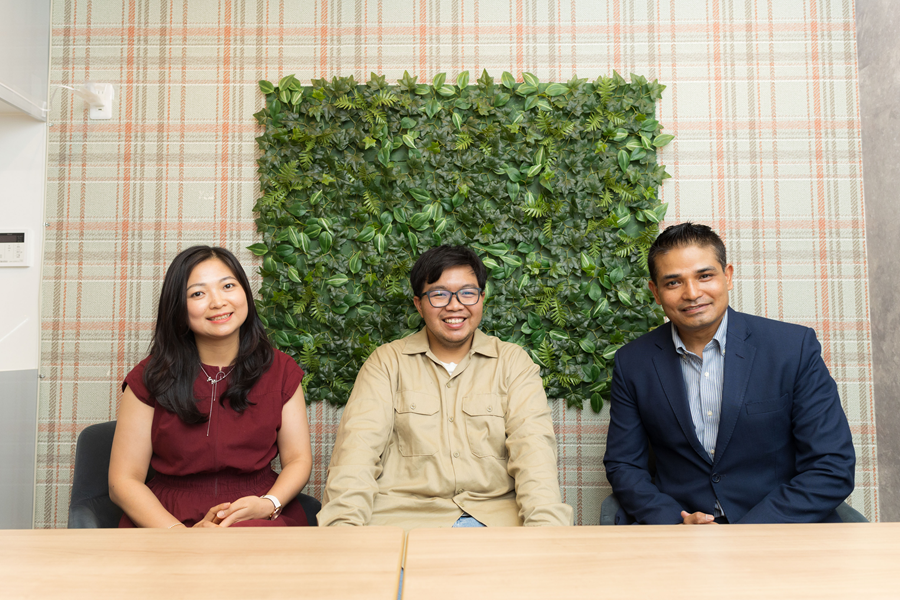
My hope is that as many Nepali residents as possible will adapt to Japanese culture, find good jobs here, and lead fulfilling lives. Also, recently, the demand for support has increased, and it’s become difficult because I’m being called upon everywhere. To continue providing support in the future, I’d like to help increase the number of supporters like myself.
I’d like to create more opportunities to support foreign residents. Lately, I’ve had more chances to hear from people I’ve helped about the current situation of children with foreign roots, which has made me want to focus more on supporting those children as well. By drawing on my experience raising children, I want to contribute to creating an environment where both Japanese and foreign residents can live with peace of mind.
Above all, I want to do my best to adapt to my surroundings. I believe Japan’s systems regarding foreign residents will continue to undergo various changes in the future. And beyond those systems, there will naturally be changes in the ages, nationalities, cultures, and family backgrounds of residents as well. I want to grow flexibly, adapting to Japan’s social environment and the individual circumstances of each person.
This is the final installment of the “Foreign Residents Supporting Other Foreign Residents” series.
It was truly inspiring to see these 3 individuals—as foreign residents themselves—continue to provide support by drawing on their own experiences and perspectives. Through this roundtable discussion, we learned that there is a kind of support that can only be provided by those who have walked in the same shoes.