


Intercultural Crosstalk
People Who Work at Convenience Stores ③Experiences Gained at Convenience Stores
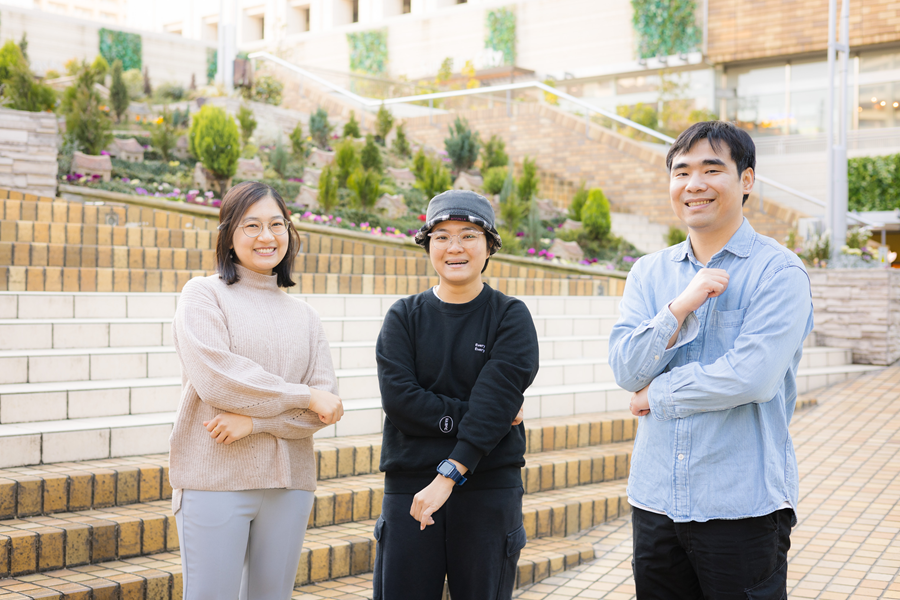
See their profiles here
Click for “1st Round” Here
Round 3: Experiences Gained at Convenience Stores
Using their experience working part-time at convenience stores, the 3 participants now continue their respective lives. In this final installment of the series, we asked them about the experiences they gained from their convenience store jobs.
Please Tell Us About Your Current Jobs.
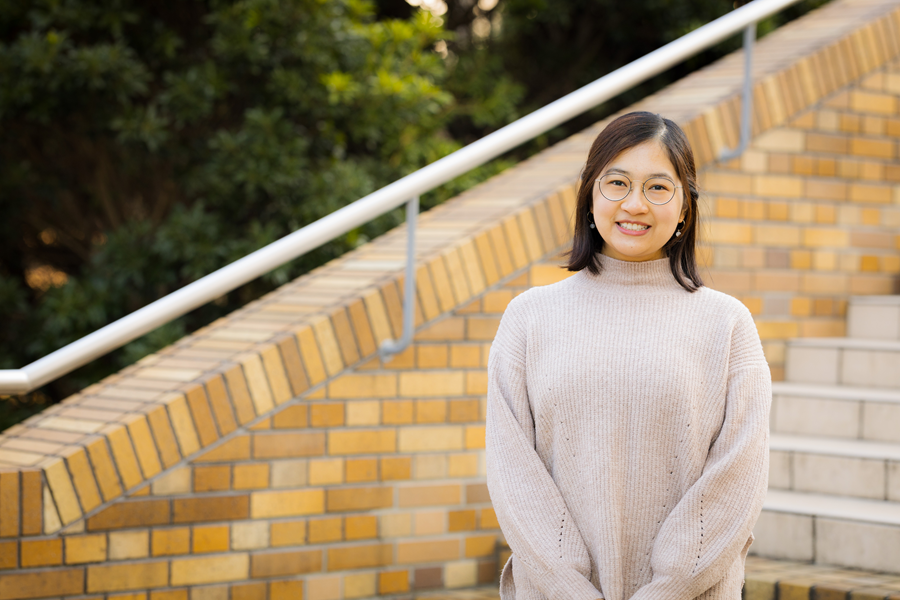
After graduating from a technical college specializing in IT, I started working as an engineer. Initially, I worked on building websites, and now I’m involved in developing ERP (Enterprise Resource Planning) software for accounting, human resources, and other functions.
I'm currently a student and not working yet. I'm doing research in bio-science and will be a graduate student starting this year.
I applied for the new graduate program at the convenience store chain’s headquarters after working part-time there, and now I work as a supervisor. While I oversee multiple stores, the basics like customer service remain the same.
Do You Feel the Experience You Gained at the Convenience Store Is Useful to You Now?
In my case, I'm working directly using my experience. However, when I applied as a new graduate, my Japanese wasn't perfect yet, and I was absolutely certain I'd fail. But from the internship to the interview, everything went smoothly, and I was hired. After being an assistant store manager, I was promoted to store manager, and then I reached my current position as a supervisor.
I'm in a completely different profession now, but I think my convenience store experience has been valuable. It made me more resilient to pressure. Even when things get busy, I can handle multiple tasks simultaneously.
Also, the tough times I had with coworkers during my part-time job—looking back, they were actually good for me. Even when things go wrong, time usually heals most problems. I learned there are all kinds of people in the world, so I know things will work out somehow, even in a bad environment.
I feel the same way as Trinh. When I started, I had just graduated high school and knew nothing about the real world. But after starting work, I interacted with people of all ages—people you don’t meet in school — and learned there are all kinds of people out there. Plus, I think my language skills and communication abilities improved.
I think my communication skills have improved quite a bit too.
Also, I became much more conscious about being punctual. Since it was an early morning shift, I made sure to get there on time no matter how sleepy or cold I felt. Then, after finishing, I’d catch the train and head to school to arrive on time. That kind of daily rhythm became a habit.
What Impact Do You Think Convenience Stores Have Had on Japanese Culture?
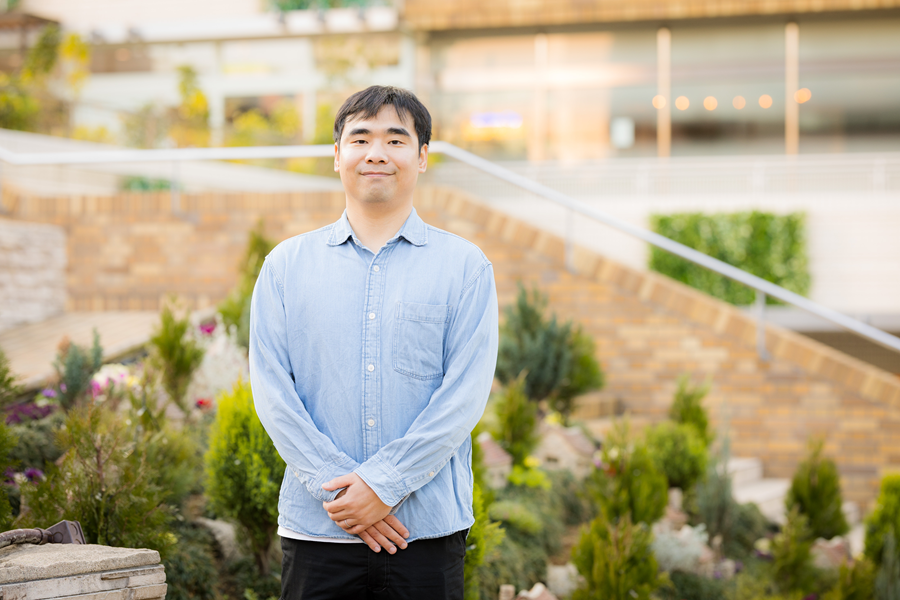
I think they fundamentally change daily life. You can pay bills there, they have trash bins, and restrooms.
Plus, if something dangerous happens, you can run into a convenience store. When I worked at a store in a busy district, I called the police twice.
I feel the same way. Having convenience stores makes things safer, right?
I buy breakfast at convenience stores too. I think everyone would be in trouble without them. They’re an essential part of daily life in Japan.
Families also buy different things during the day versus at night, right? I think it’s a really convenient place when you’re struggling to decide what to eat.
In China, there’s a culture of eating breakfast at street stalls. So when I came to Japan, I wondered, “Where does everyone buy and eat breakfast?” After a while, I realized, “Oh, in Japan, you buy it at convenience stores.” Now I buy mine at convenience stores too.
It’s great that they’re open morning and night, isn't it? When I was temporarily attending school in Nepal, I realized I needed stationery to do my homework at night. But in Nepal, most shops are closed at night. I thought, “I could have bought it if I were in Japan!”
Would You Recommend Convenience Stores as Part-Time Work for Foreign Residents?

I’d definitely recommend it. Actually, I only recommend convenience stores.
The biggest advantage is definitely improving your language skills. If you're working in Japan, you can't avoid studying Japanese. While conversation skills can be honed in other jobs too, considering the language used for customer service, the job duties, and the work schedule, I think convenience stores are the best fit for international students. You'll inevitably have to use Japanese with all kinds of people—customers, fellow part-time workers, and full-time staff.
I definitely recommend it too. There are so many things that help with job hunting, like order processing and customer service. Since there are so many tasks, it's also great practice for learning to think through workflows on your own.
I think you can develop communication skills in other service jobs like cafes or restaurants too. But the big advantage of convenience stores is that they’re open 24 hours. It’s easy for students to fit shifts in, and depending on the store, you might even work with people from your own country, creating a more homely environment.
Is There Anything One Needs to Know Before Working at a Convenience Store?
I don't think there’s any specific knowledge or skills you need beforehand.
Yeah, I don’t think so either.
If I had to say, having a willingness to learn is important. It's true for any job, but even at a convenience store, there’s a lot to learn—like how to fill out receipts and product details.
It’s best not to think it’s an easy job. I don’t think you can keep doing it unless you always have a mindset of learning. It’s a difficult job.
When I first started, I was nervous, and when a colleague asked, “You can’t even do this?” I panicked. It's better not to get nervous, right? I agree with both of you — I think having a willingness to learn is important.
What Challenges Do You Want to Take On Next? What Are Your Dreams for the Future?
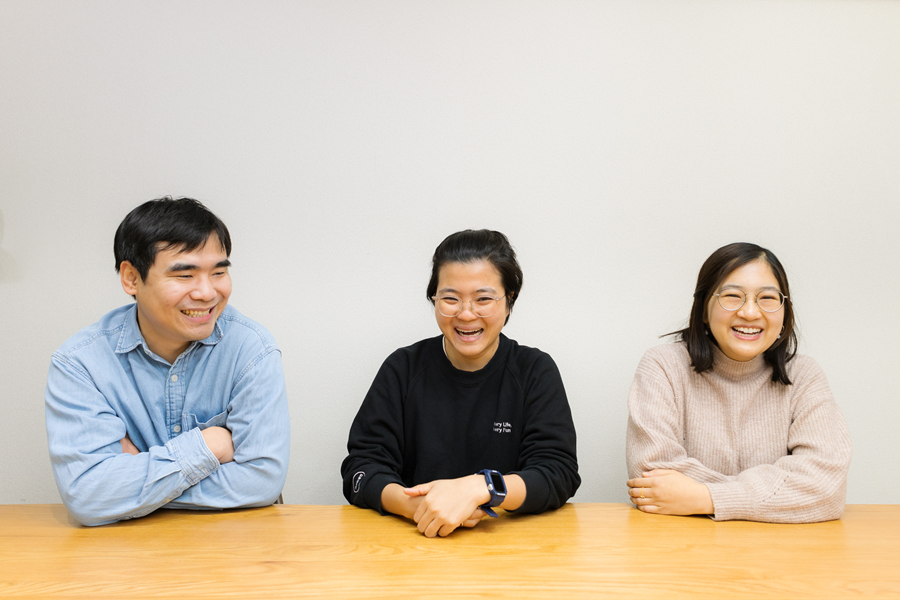
I want to keep working for a long time. I want to save money and eventually own my own home. Ideally, in 10 to 15 years, I’d like to return to Vietnam and focus solely on the work I truly want to do. Vietnam is a developing country right now. I think many new opportunities will emerge, so I’d like to try things like starting my own business.
First, I want to work hard on my graduate research. After graduation, I hope to find a job at a company somewhere in Japan. It would be best if I could work in a field related to my research.
Also, personally... I wish I could become a little more mature (laughs). I want to work hard on that while I’m still a student.
I want to keep working at the convenience store going forward. It’s a job where I'm constantly chasing performance targets and doing a lot of steady, routine work. But I feel like this kind of steady, consistent work really suits me. I don't have any big dreams I can talk about, but I want to keep doing my best at my convenience store job.
This concludes the “People Who Work at Convenience Stores” series.
The 3 individuals who approached convenience store work with a high level of awareness and who also cherished the Japanese culture embodied by convenience stores left a strong impression.