


Intercultural Crosstalk
People Who Work at Convenience Stores ①How I Started Working at a Convenience Store
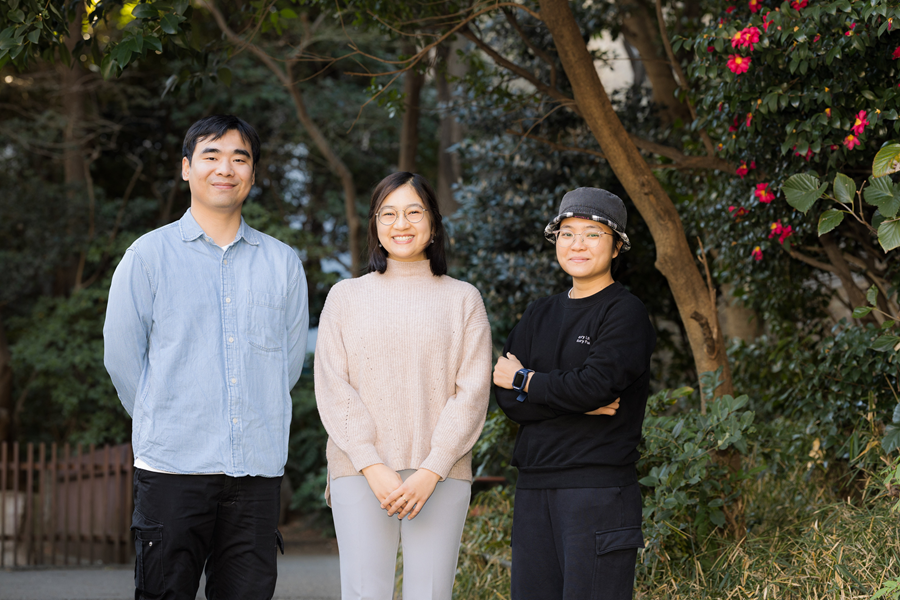
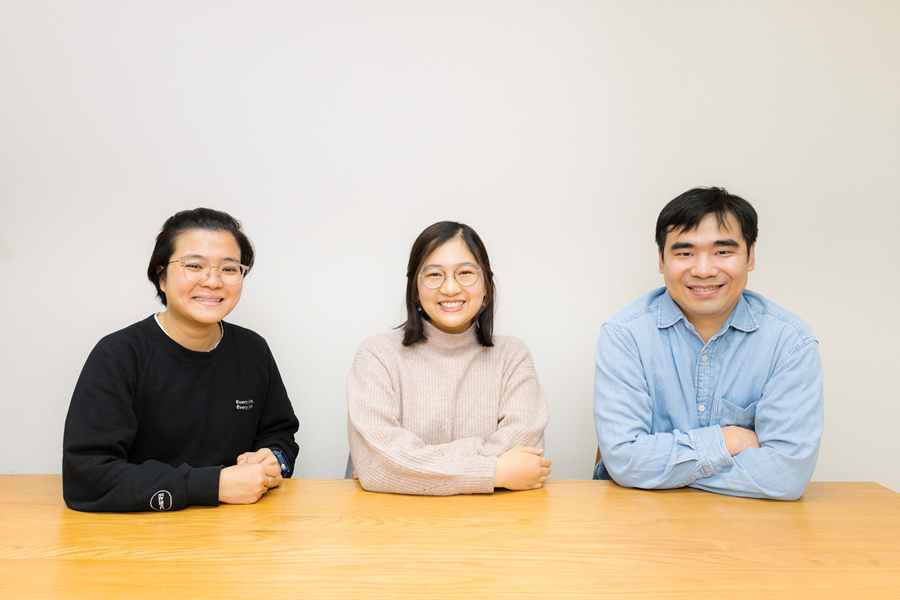
Profiles
Trinh (from Vietnam)
- Years of residence in Japan
- 7 years
- Native language
- Vietnamese
- Favorite Japanese words
- “Komorebi” (Sunlight filtering through the trees)
- Favorite places in Tokyo
- Omori Station
- Favorite food
- Sushi, tsukemen
- Hobbies
- Soccer, driving, music
- What I wanted to be when I was a child
- Carpenter
Muskan (from Japan, with Nepalese roots)
- Years of residence in Japan
- 20 years
- Native language
- Nepali
- Favorite Japanese words
- “Ōtotsu=凹凸” (uneven), “shoganai” (well, can’t be helped), “hibiki” (tones/resonance)
- Favorite places in Tokyo
- Shin-Okubo, Shinjuku
- Favorite food
- Oden, Japanese set meals, Korean tteokbokki
- Hobbies
- Reading, watching Japanese dramas
- What I wanted to be when I was a child
- Doctor
Xu (from China)
- Years of residence in Japan
- 12 years
- Native language
- Chinese
- Favorite Japanese words
- “Akirametara sokode shiai shūryō dayo” (“If you give up, that's game over.”)
- Favorite places in Tokyo
- Shinjuku Gyoen
- Favorite food
- Yakiniku, tempura
- Hobbies
- Gaming, traveling, driving
- What I wanted to be when I was a child
- Athlete
Round 1: How I Started Working at a Convenience Store
This is the first article in a 3-part series featuring round-table discussions with people who work at convenience stores.
Foreign employees make up a growing proportion of the workforce at Tokyo convenience stores in recent years. What led them to start working at a convenience store? What do they find rewarding or challenging? We spoke with 3 people who have worked at convenience stores.
What Brought You to Japan?
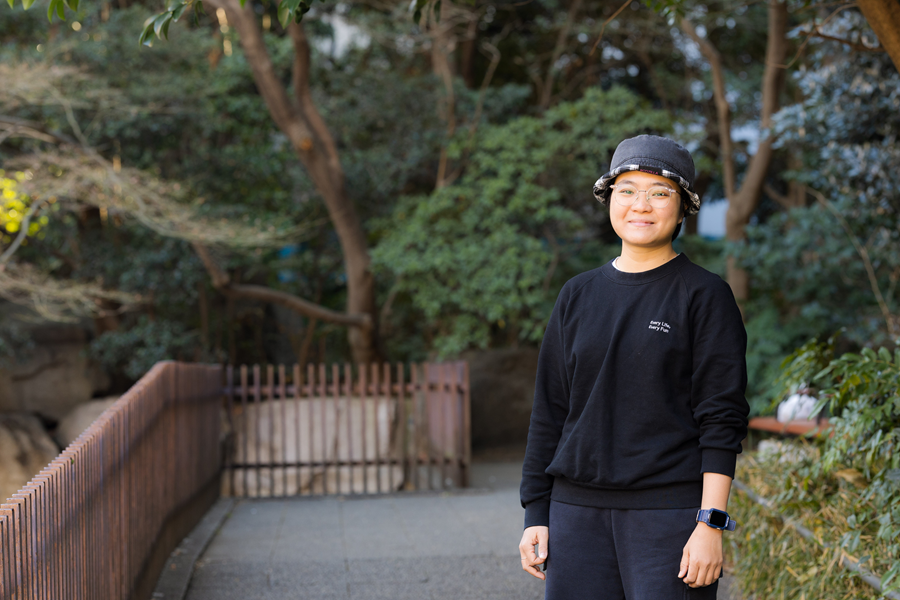
I am originally from Hue in central Vietnam. While working in logistics in Vietnam, I began thinking about taking on a new challenge. After considering my options, I decided to study abroad in Japan, where a friend lived and where my impressions had been favorable. After arriving in Japan, I studied at a Japanese language school for a year and a half, then attended a specialized IT technical school for 2 years. I subsequently found work in the IT field, which brings me to where I am today.
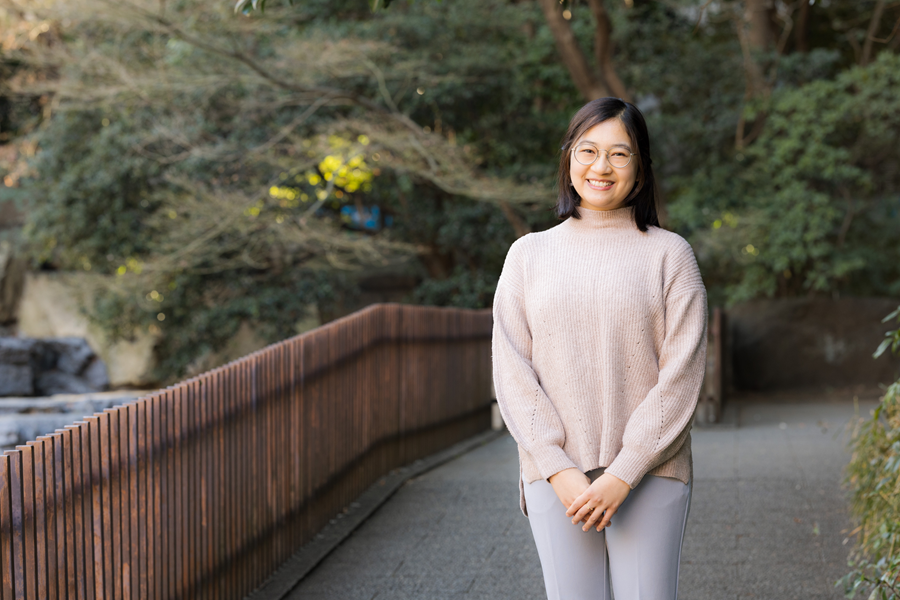
I was born to Nepalese parents living in Japan. My parents wanted me to learn Nepali, so I lived in Nepal for just 3 years during elementary school, but other than that, I’ve always lived in Japan. I’m a graduate student starting this year.
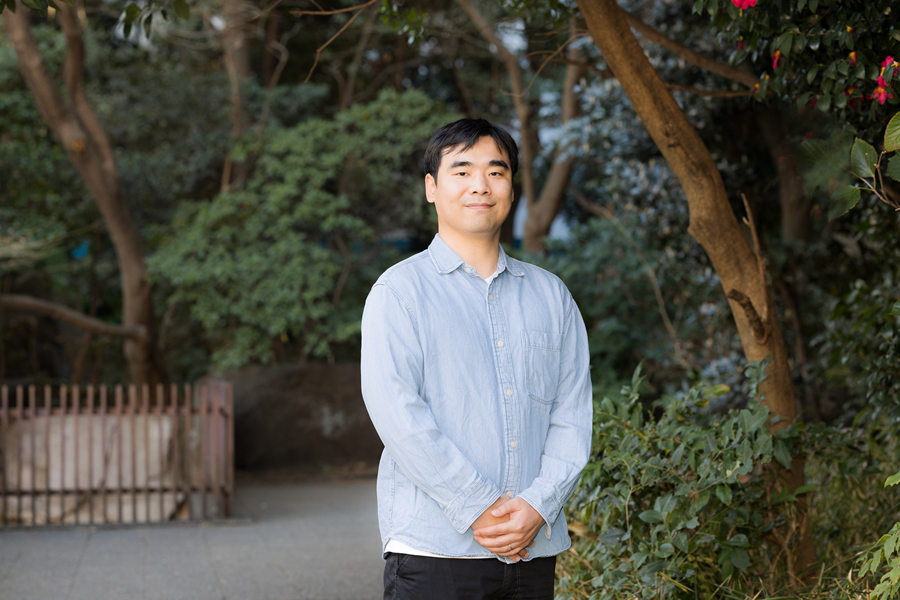
After graduating high school in China, I decided to study abroad in Japan. I also attended a Japanese language school for about a year and a half. After that, I went to university and studied business administration. I then got a job in Tokyo and have been here ever since.
When Did You Start Working at a Convenience Store?
I started working at a convenience store near my house when I entered university. It was in Tokyo, had a parking lot, and wasn’t a very busy store. My coworkers were all kind, and it felt comfortable, so I worked there throughout my 4 years of school.
I worked at a convenience store connected directly to a central Tokyo terminal station for 2 years while attending technical school. Unlike Muskan’s store, mine was very busy. Mornings were packed with commuters.
I wanted to work part-time to earn my living expenses, so I went to Hello Work (Japanese government’s Employment Service Center) 1 week after arriving in Japan. At that time, I didn’t know how to write a resume at all, but the office staff kindly taught me. Soon after, I went to an interview at a convenience store, got hired, and started working.
I continued working part-time at the convenience store throughout my student years. Then, while still in university, I applied for and was hired through the new graduate recruitment program of that major convenience store chain. I now work there as a full-time employee.
Why Were You Interested in Working at a Convenience Store?
It really suited my lifestyle back then. There was a convenience store at the station on my way to school, so I’d wake up early and work just 2 hours every day. With the early morning allowance, those 2 hours brought in a decent income. Since my visa restricted my working hours, the high hourly wage was crucial.
Entering university made me realize I needed to study Japanese. I was looking for a job where I could use Japanese, and eventually decided a convenience store might be good. I thought arranging merchandise and working the register would feel satisfying.
Convenience stores are great places to practice speaking skills, right?
I just needed to find any job, so I kept calling places and asking for interviews. The convenience store was the one that took me. At first, I thought I’d only get afternoon shifts, but before I knew it, the store needed me for late nights too. It was unexpected, but like Trinh, I was happy to get the late-night premium pay. It really kept me motivated.
The extra pay is pretty good, right? Once I realized that myself, I started working the early morning shift.
What Kind of Foreigners Did You Work with at the Convenience Store?
I worked at various stores, and the situation varied quite a bit depending on the location. The stores in the Shinjuku entertainment district especially had a lot of foreigners. Many had clear goals, like wanting to work in hotels after graduating vocational school and doing this part-time job as practice. In recent years, I got the impression Nepalese people were overwhelmingly the majority. Once one person joined, more and more people from the same country would come through their referrals. I hear Vietnamese people are increasing lately too.
I found this part-time job on my own, not through a referral. But when I started working, several Vietnamese people were already on the same shift. It seemed the store deliberately scheduled people from the same country together during the same hours so they could ask each other questions in their native language if they got stuck. Conversely, the daytime shifts seemed to have mostly Japanese students.
I worked at a store near a residential area, so there were no foreign employees. There weren’t many students either, and I learned a lot from my older coworkers.
How Was Your Part-Time Job Interview?
Just one week after arriving in Japan, I dove headfirst into an interview. Back in China, I’d only ever done a few one-off part-time jobs, so this was my very first interview. I’d seen interview scenes in Japanese dramas, and it felt almost exactly the same. They asked standard questions like where I went to school and what hours I could work. I still wonder why I got hired (laughs).
I learned how to write a resume at my Japanese language school and submitted the documents exactly as instructed. The questions I was asked during the interview were also standard stuff—my part-time work experience, available hours, and so on. However, I did get the feeling my Japanese skills were being assessed during the conversation. Questions like “Where have you lived before?” or “Which school do you attend?” made me feel like they were evaluating my responses.
Hearing Trinh’s experience just now made me realize something—they might have been checking my Japanese during my interview too. So that’s why they asked all those different questions.
At the time, I wasn’t very used to interviews, so when they asked “Why did you choose this shop?”, I honestly answered “Because it’s close to my house,” and I thought I’d messed up.
When I was working as a store manager, I definitely paid close attention to how applicants spoke.
However, since it’s a customer service job, what matters most is a smile and how you speak; language skills come second. As long as they have the desire to learn, we can teach them, and I believe they’ll work hard too.
How Much Japanese Proficiency Is Needed for Convenience Store Work?
That would be N4 or N3 level or higher on the Japanese Language Proficiency Test.
Yes, I agree.
Conversation skills are more important than test scores, right?
That’s right. Even at university, there were people who got good grades on exams but couldn’t hold a conversation. If you just say “I don’t know” when a customer asks you a question, I think it’s hard to do the job.
Also, at the store where I worked, there were training videos for non-native Japanese speakers, about 3 to 4 hours long. And multilingual manuals too.
I see. That wasn’t the case at the store where I worked. Since it was a busy location, they probably thought it would be quicker to teach people directly.
I was told to go to a training center with practice registers, and that’s where I was taught the job.
Some stores teach that way, too. Also, for foreigners, there are cases where they receive training to learn about Japanese hospitality culture.
In the first session, we heard about the reasons people started working at convenience stores. We learned about their individual motivations, such as wanting to study Japanese and finding the schedule suited their lifestyle. In the second session, we will discuss ‘The Work Responsibilities at Convenience Stores’.
── Continued in the Following Issues