


Intercultural Crosstalk
People Involved in the Tourism and Travel Industry ③The Future of Japanese Tourism
See their profiles here
Click for “1st Round” Here
Round 3: The Future of Japanese Tourism
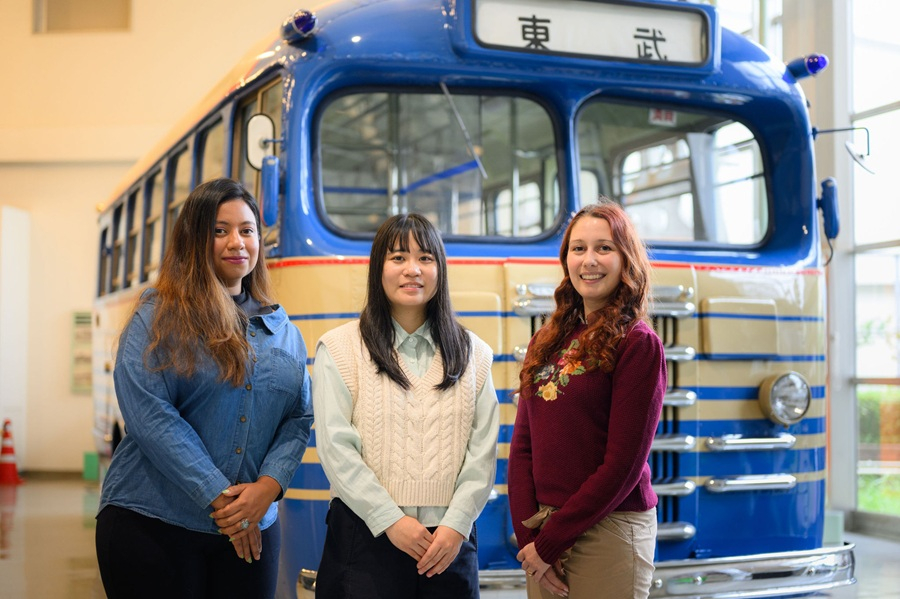
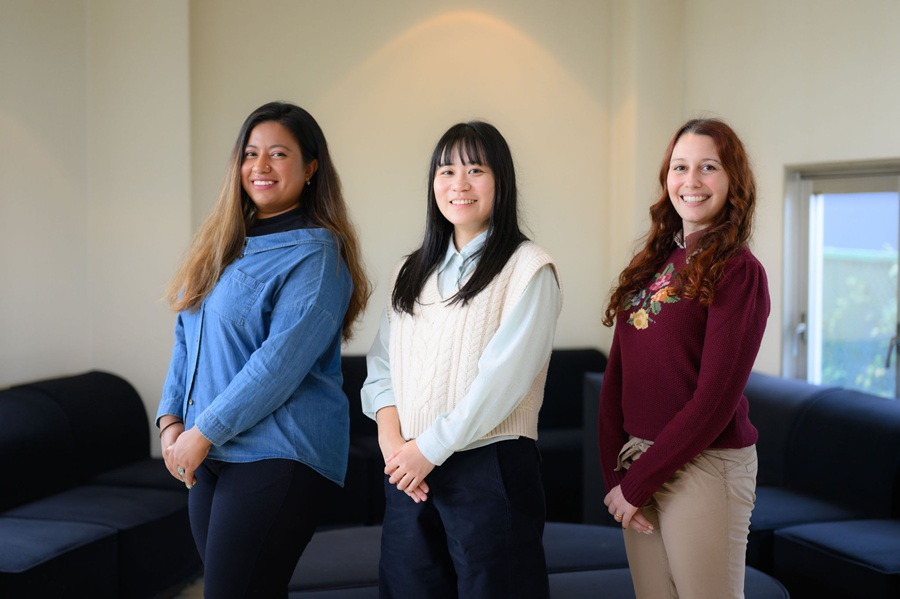
The 3 participants are active in the tourism and travel industry as an influencer, a railway company worker, and a travel agency/blogger. In this final third installment, we asked each to share their thoughts on the future outlook for Japan’s tourism industry.
Please Share Any Challenges You Foresee for Tourism in Tokyo Going Forward.
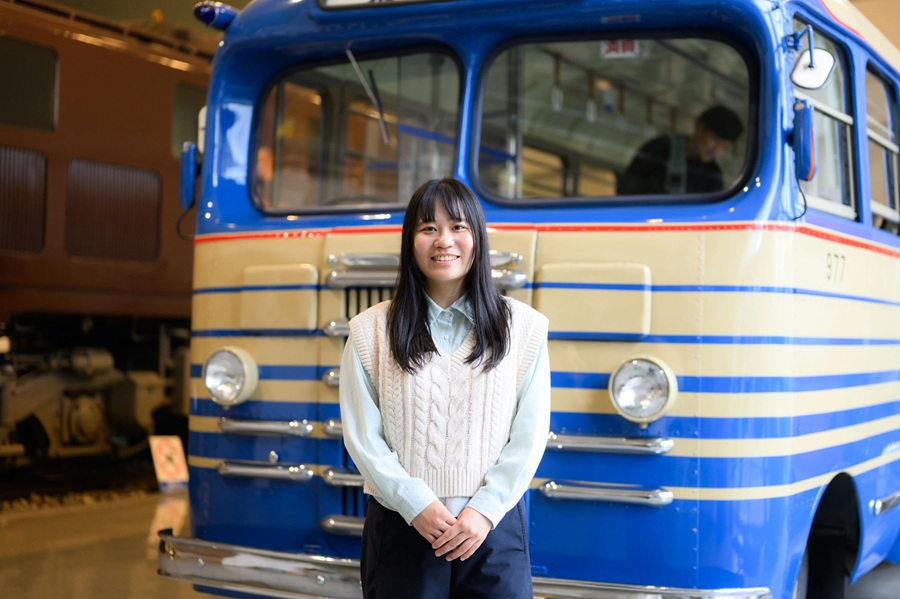
I think it’s a shame that some areas rich in nature in Tokyo aren’t well known. I once went barbecuing in the Akigawa Valley; it’s incredibly beautiful, not crowded, and perfect for people seeking nature. But there’s little bus information available, and few international tourists visit, right? I feel there’s still a language barrier when it comes to access information.
I feel multilingual information has improved significantly, but some aspects remain confusing. For railways, the distinction between regular tickets and limited express tickets is uniquely Japanese and hard for foreigners to grasp.
Also, in Japan, procedures can sometimes feel overly meticulous, which can be a challenge. For example, even if foreign media say they “just want to take a few photos” at a tourist facility, getting approval for filming takes longer in Japan than overseas. This stems from Japan’s business culture anticipating various situations, but it can seem slow from an overseas perspective.
I’m concerned about how to handle troublesome tourists visiting Japan. For example, recently at a famous Italian tourist spot, someone entered a restricted area. Immediately, the police arrived, took the disruptive individual away, and footage of this was shown worldwide. I felt this was an excellent response. Beyond the police, I believe local residents should also take action at tourist sites—by warning people or reporting incidents.
Overtourism is truly a problem in some places now, isn’t it? We often hear about Kyoto and Mount Fuji, but even in Tokyo, there are issues like drinking on the streets and noise pollution.
The crowds make me feel like residents’ lives are being threatened. Prices are rising, and hotels are getting more expensive. I’m also worried that if private lodgings increase too much, there won’t be enough housing for residents.
The weakening yen is also a major factor, right? Japanese people are choosing domestic travel, while international tourists are coming to Japan.
How Should We Address the Problems Caused by Overtourism?
I think guiding tourists to alternative locations instead of famous tourist spots is one approach. For example, Sensoji Temple is popular, but Nezu Shrine is a great shrine that isn’t very well known. I think dispersing tourists is important.
I still think we should leverage the influence of social media. We can share information about Japanese manners and culture, or promote alternative destinations like the ones Michela mentioned.
I think raising awareness before visitors arrive is crucial. A country I visited previously required travelers to pledge compliance with laws and rules via a web form before entry. Even if that’s difficult, it would be great if there were videos about Japan’s basic rules and manners shown during immigration wait times at the airport.
Do You Think Tokyo Has Potential for Development as a Tourist Destination?
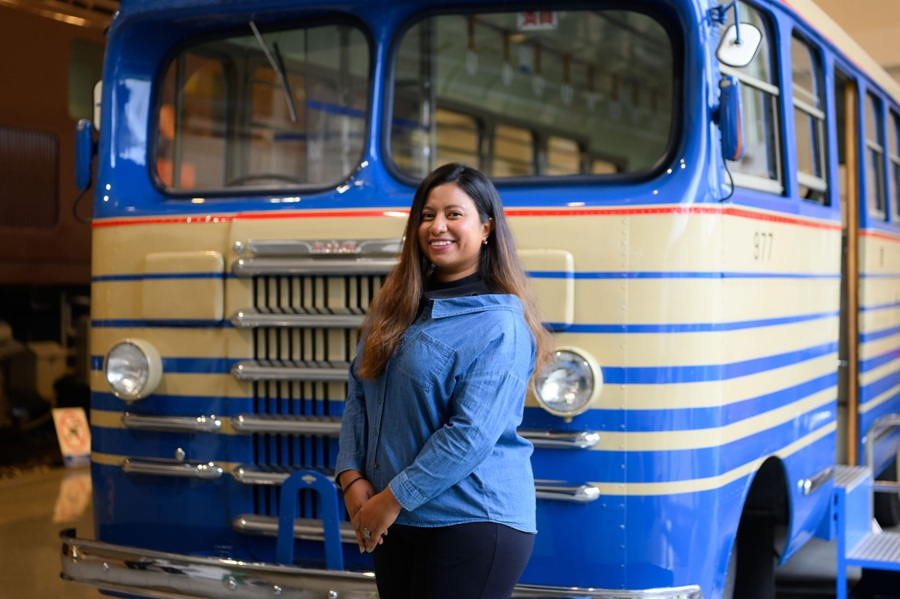
Yes. I believe there are still many undiscovered charms. For example, historic buildings, craft experiences, and unique cafes. The blend of tradition and modernity is commonplace for Japanese people, but it’s incredibly fascinating for European tourists.
I feel areas like downtown neighborhoods, where you can really get a sense of local life, are growing in popularity. I think there’s a demand for walking maps of those kinds of areas. Japan has particularly good weather in spring and fall, so I think there’s potential for even greater popularity. Also, since it doesn’t snow in Taiwan, winter activities like skiing seem to have room for growth going forward.
Japan’s spring and autumn are certainly appealing, but summer and winter should also be promoted. If everyone comes at the same time, it just gets more crowded and chaotic. Summer has festivals, and winter has plenty of activities too. Even I think, “Why didn’t I know about this place or this content before?” There are so many places and things like that, and I want to let people coming to Japan know about them.
What Significance Do You See in Being Involved in Japan's Tourism and Travel Industry as a Foreign Resident?
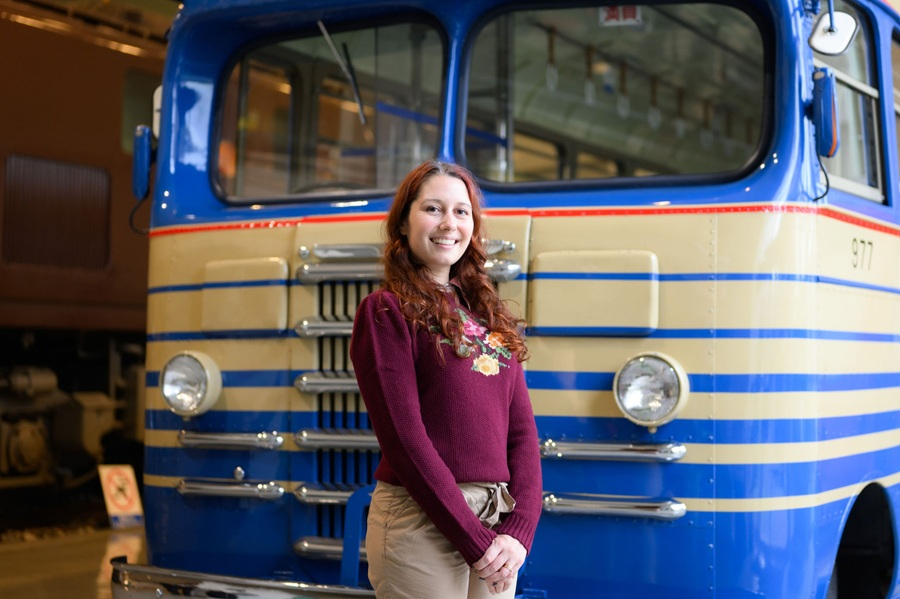
When I participate in regional fam trips (tours to learn about local tourism resources), I realize something: Japanese tourists and international visitors want different things.
Once, in a certain region, I was shown a dam as a tourist attraction, and I thought, “Why!?” In Italy, visiting dams is something only elementary school field trips do. In such moments, I think it’s a strength to be able to advise from my own perspective on what international visitors truly want to see.
I’ve also been recommended dams by locals. Like Michela, I thought international visitors probably wouldn’t be interested, so I suggested other places.
Understanding the cultural background of people from other countries is a real strength, isn’t it? I’ve interacted with people from various countries besides my home country of Bangladesh, so I try to think about what they truly want and make tourism suggestions based on that.
That’s true. Since I work in a team centered around Japanese people, I think I can offer different ideas from another perspective. Also, at overseas business meetings, instead of just explaining Japanese culture as it is, I sometimes explain it from a foreigner’s point of view.
I get that. I also have a sense of how to explain things in a way that’s easier for Europeans to understand.
What Areas Do You Want to Focus on Moving Forward?
I feel Japan’s influencer PR market isn’t fully mature yet. Overseas, work is often commissioned based on the quality and content of posts rather than follower count. I want to steadily improve my standing as an influencer through consistent effort.
Also, in Tokyo, I’m currently interested in the island regions. Rather than just handling PR work, I want to leverage my own perspective and share my unique insights from places that interest me.
I’m interested in sustainable tourism. I want to develop new tourism resources while preserving culture. I want to create an environment where Japanese residents and tourists can coexist. If we can spread out tourists, it could also encourage younger Japanese people to return to rural areas. I want to boost tourism while prioritizing the local community first.
I still feel I want to be a bridge between Japan and other countries, starting with Taiwan. Japan has uniquely charming content. We now live in an international world where cross-border travel is thriving. I want to develop the tourism industry while mutually understanding cultural differences.
This concludes our 3-part series featuring “People Involved in the Tourism and Travel Industry.” The inbound tourism industry is growing more vibrant than ever. We hope you’ve gained insight into how residents with foreign roots are leveraging their perspectives to thrive.
Next month, we begin our series on “People Working at Convenience Stores.”
Photography cooperation: Tobu Museum
The header photo for Round 3 was taken in front of a retro route bus from the 1940s.