


Intercultural Crosstalk
People Involved in the Tourism and Travel Industry ②The Appeal of Tokyo as a Travel Destination
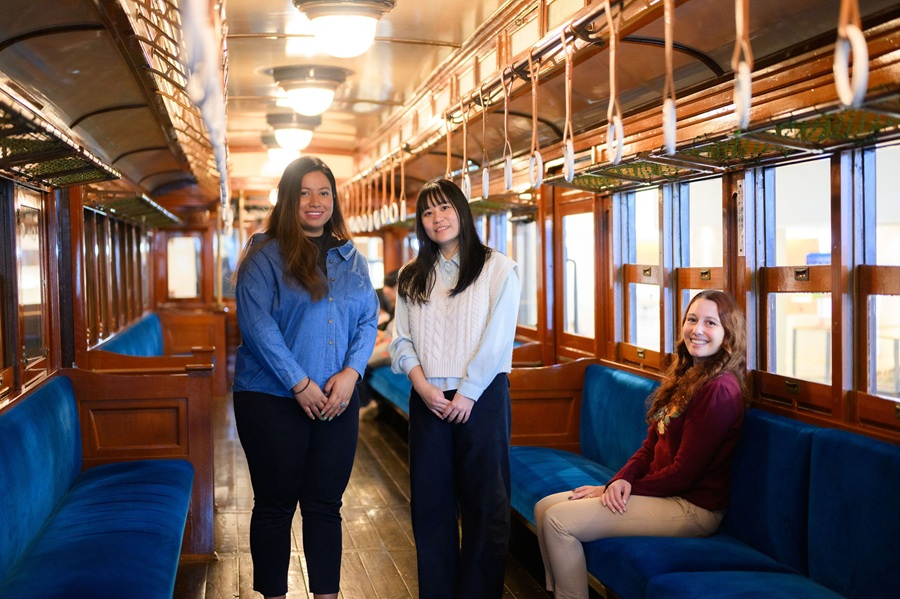
See their profiles here
Click for “1st Round” Here
Round 2: The Appeal of Tokyo as a Travel Destination
This round table discussion was with 3 participants involved in Japan’s tourism and travel industry from their respective roles as an influencer, a railway company worker, and a travel agency/blogger. In this issue, we will hear about the appeal of Tokyo as a travel destination from the perspectives of these 3 individuals who travel around the world.
What Kind of Travel Do Tourists from Your Home Countries Prefer?
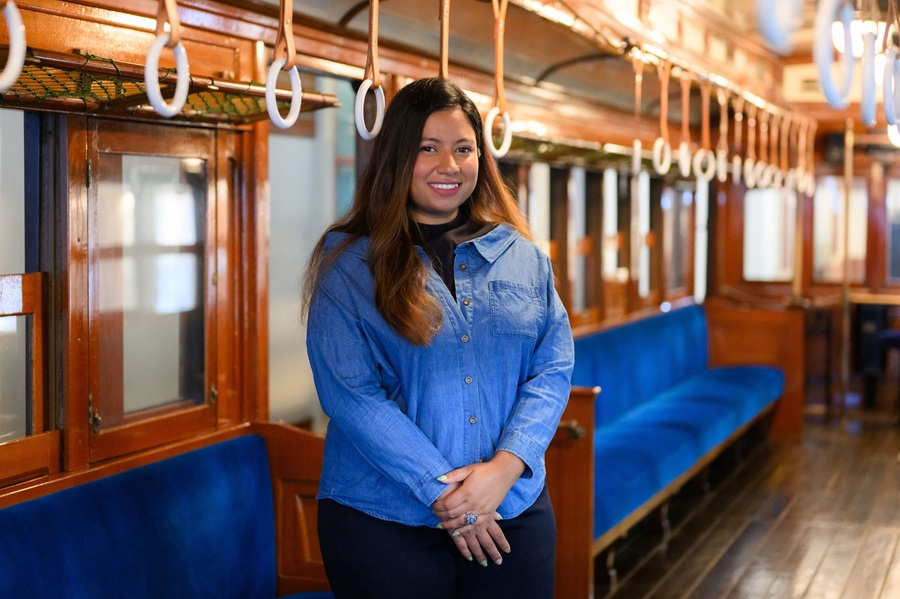
Taiwan has many tourists who visit Japan repeatedly. Since there’s so much information online, many people want new experiences in places others haven’t been. I often hear requests for interactions with locals, not just shopping and enjoying Japanese cuisine. Japanese travel shows featuring overnight stays at regional inns are incredibly popular in Taiwan too.
Italians come to Japan seeking things they don’t have in Italy. Temples, shrines, Japanese gardens, and pop culture are popular. Also, since many Italians love cars, experiences like renting and driving vintage cars are popular too.
Surprisingly many people are interested in Japanese cars. I once had a request to visit a parking lot where many restored cars gather. It was a place I didn't know at all, but I guided them there.
Interests vary, but there’s definitely strong interest in spring cherry blossoms and autumn foliage.
Cherry blossoms are really popular, aren’t they?
I feel like the image of Japan = cherry blossoms is really ingrained.
As for food, ramen is also popular. However, since pork bone broth is off-limits for Muslims, chicken-based halal ramen has become incredibly popular recently. Then there are luxurious kaiseki bento boxes, too. (A modern interpretation that combines the elaborate, high-end multi-course style of kaiseki dining with the convenient, all-at-once presentation of a bento box )
I’ve been getting a lot of requests for kaiseki cuisine lately too. In contrast, convenience store rice balls are also popular.
Convenience store rice balls? I eat them every day at work, so I’m like, “Why are these popular?” (laughs).
My Taiwanese friends always include “visiting convenience stores” in their itinerary when they travel to Japan (laugh). They say they want to compare and study the different delicious items like chicken and sweets, which vary by convenience store chain.
Also, Taiwanese people absolutely love fruit. Many look forward to eating expensive fruits like melon, peaches, and strawberries that are pricey back home.
Italians, on the other hand, don’t buy fruit in Japan. In Italy, fruit is sold cheaply by the kilo, so it feels really expensive in Japan. It varies by country, doesn’t it?
Is There a Gap Between the Image of Tokyo Held by Visitors to Japan and the Image You Have as a Resident?
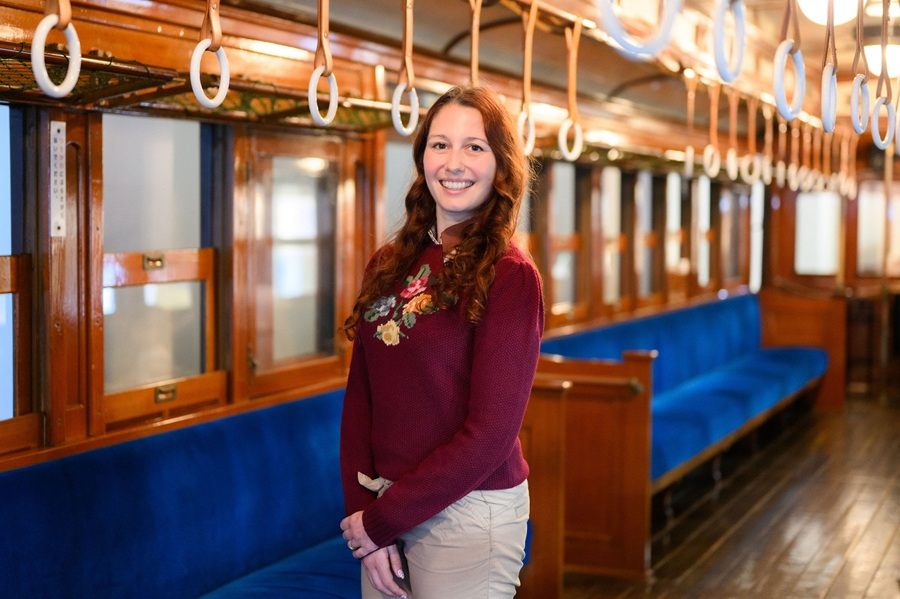
Many tourists come expecting Tokyo to be a high-tech city, perhaps influenced by movies and anime. But from a resident’s perspective, I think, “Well, not really...” (laughs). There are many government procedures that can’t be done online, and applying for things like My Number cards (local Japanese ID card) is complicated and time-consuming.
From overseas, Tokyo has a strong image of neon-lit entertainment districts, right? But Tokyo is actually huge, so there are quiet residential areas and places with beautiful, preserved nature. I used to live near the Tama River, and at night you could see tons of stars.
The aspects where the overseas image matches reality are that it’s clean, safe, and train delays are rare.
However, regarding tourism, I feel there’s been a recent increase in “tourist traps” – experiences designed specifically to lure tourists. Having foreign language interpretation and translation added to existing cultural experiences is very nice. On the other hand, more businesses are planning entertainment-style performances specifically for tourists. I strongly hope tourists who wish to experience authentic Japanese culture can find genuine cultural experiences.
Q. What is Tokyo's position as a domestic travel destination within Japan?
I feel many people use Tokyo as a base for extended stays since there are many direct flights, then travel to various places.
Yes, that’s right. Many people come to Tokyo as their first stop, visit places for 3-4 days, and then travel by bullet train. I think it's a very tourist-friendly place.
Some people say Kyoto is too crowded to enjoy, but Tokyo has so many tourist spots that the crowds can be spread out, right?
Please Tell Us About Tokyo's Impression From the Perspective of International Tourists.
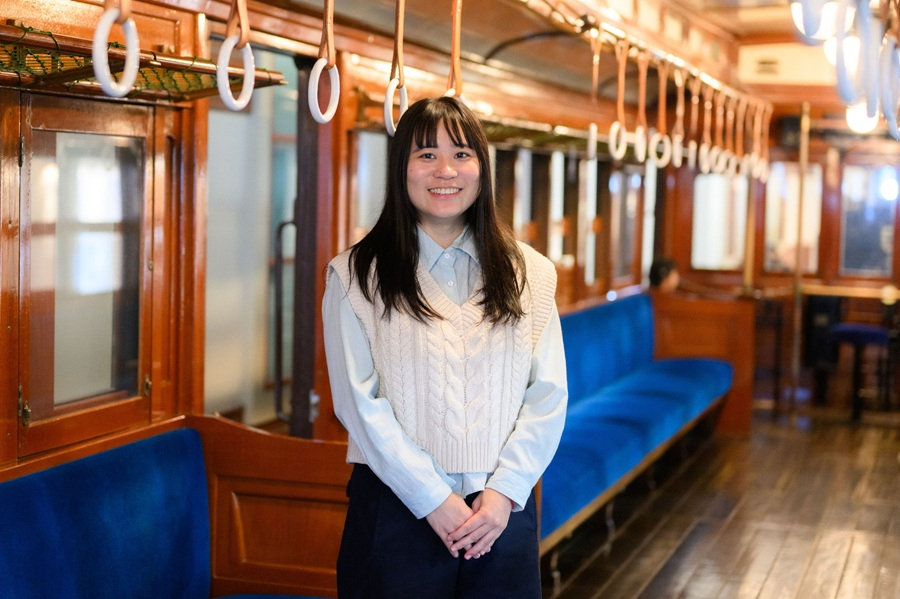
When asked for recommendations as a local, I’ve shown people places like Seiseki Sakuragaoka. Everyone was surprised to find nature and peaceful environments even within Tokyo. Old-town areas like Shibamata also seem to have an unexpected appeal and are quite popular.
Many people are amazed by the sheer size of Tokyo as a whole. Western tourists often enjoy walking, so they’ll casually say things like, “I want to walk from Shibuya to Harajuku.” So every time, I have to explain, “That’s impossible!” In Tokyo, sometimes even within the same Shinjuku area, it’s better to take a taxi. That sense of distance seems hard for them to grasp.
3 topics come up often. First, the sheer number of stairs. Tokyo’s station walkways and staircases are surprisingly long and tiring. Second, the lack of trash cans. While carrying your trash is the rule in Japan, it hasn’t really caught on for tourists. Since many cities overseas have trash cans on the streets, people often ask, “Where’s a trash can?” while just walking around. The third is how expensive taxis are. Someone once took one from central Tokyo to Haneda Airport expecting the same rates as other Asian countries and ended up with a huge bill.
That really highlights the differences between countries. In Italy, taxi fares are higher than in Japan. I think that’s why walking has become such a habit for everyone.
Please Tell Us About Tokyo's Appeal and Characteristics as a Travel Destination Compared to Other International Cities.

Kyoto is popular, but I feel it’s fundamentally a city of history and tradition. In Tokyo, you can enjoy modern elements alongside history and tradition. European cities mainly value their antiquity, so Tokyo’s cityscape, with both old and new, appears refreshing.
I think Tokyo’s appeal is that you can enjoy it on any budget. There are high-end shops for the wealthy, and you can also buy bento boxes for 500 yen. In New York, even a single sandwich is really expensive, right? Japan has facilities and parks with free admission, and I get the impression there are many options for how to spend your time.
I think the excellent transportation and minimal delays are major features compared to other cities. The diverse range of restaurants and the abundance of facilities like museums and art galleries are also appealing. I feel it’s a city where cultures from all over the world converge.
This second round featured lively discussions about Tokyo from the perspectives of 3 individuals from different countries.
In the third round, we’ll hear about “The Future of Tourism in Japan.”
── Continued in the Following Issues
Photography cooperation: Tobu Museum
The header photo for this second issue was taken inside a Taisho-era railway car, a popular retro photo spot.