


Discovering the Lively Side of Northern Tokyo - Kita City's Oji Area
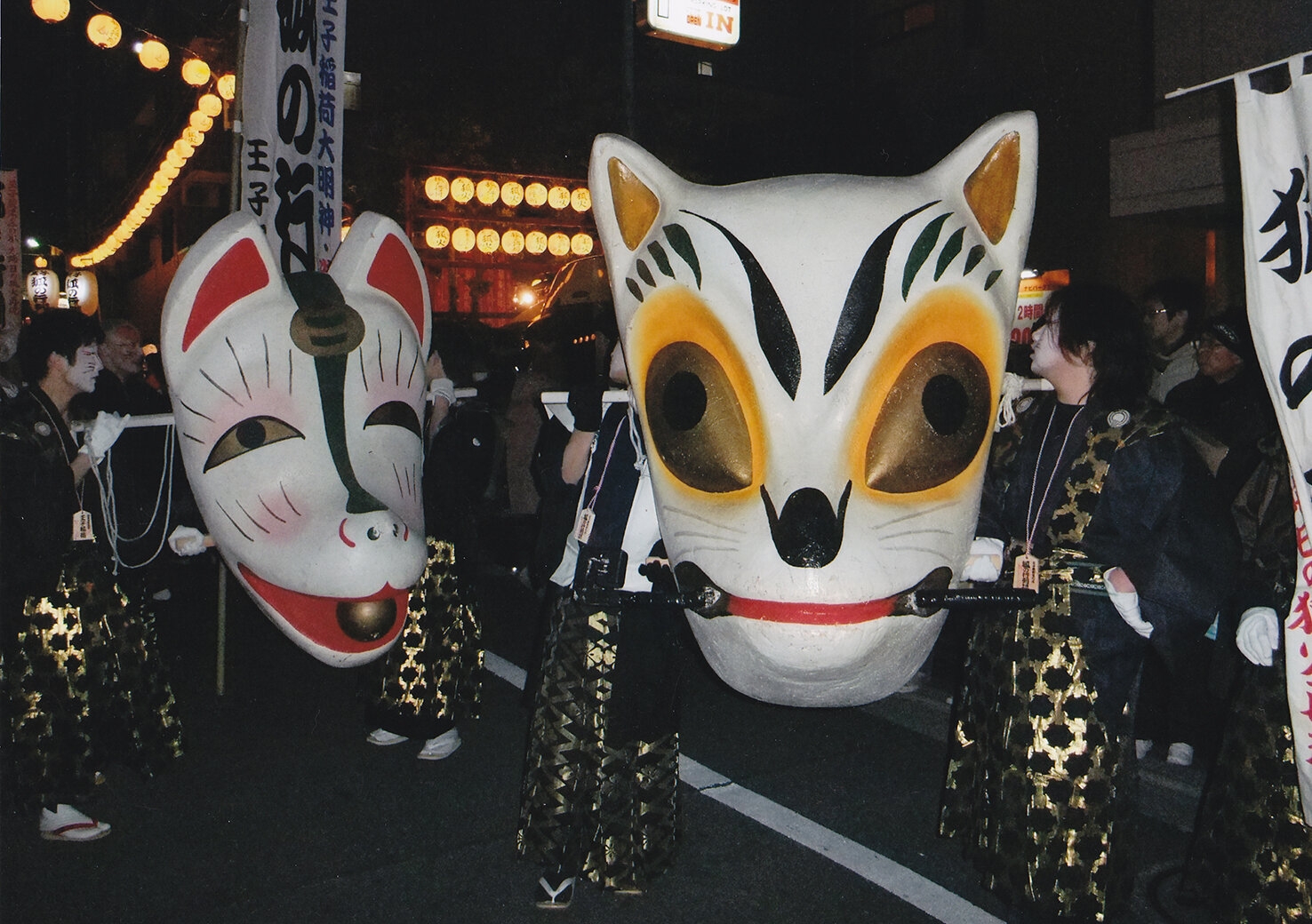 1st Kita City Tourism Photo Contest Tourism Division "Procession of Oji Foxes" Yoshiyuki Hayashi
Like many major metropolitan areas worldwide, Tokyo is constantly changing; the pace at which new construction and development occurs never fails to astound me. Destruction from the 1923 Great Kanto Earthquake followed by aerial bombings during World War II claimed much of historical Tokyo, so I'm yearning perpetually for remnants of the old urban area's landscape and culture.
Such remnants do exist, provided you know where to look. One area revealing traces of those days is Kita City, in northern Tokyo, away from the bustle and rapid modernization of the metropolis.

There's a slower pace of life, with historical gems waiting to be discovered by the determined traveler. It's a place where some of Tokyo's last streetcars still ply the roads, where the smell of incense lingers in the air at a serene temple, not a tourist in sight. Old mansions and Japanese gardens invite close inspection, and Tokyoites go about their lives. To appreciate the landscape, it's best to take things slow, on foot, letting your senses vie for attention.
Kita City has two major station areas where you can enjoy a leisurely stroll. The first is riverside Akabane, renowned for the famous Ichibangai Shopping Street and lively eateries. Oji Station is the other, offering a number of worthwhile spots in its vicinity.

After exiting Oji Station, the stillness of a shady, cherry tree-lined path along a small stream catches my attention. This is Otonashi Shinsui Park, which was constructed to maintain the old course of the Shakujii River. Its wooden waterwheel and old-style bridge evoke the days of the Edo period (1603-1868), when ukiyo-e artist Utagawa Hiroshige depicted the same scenery around Shakujii River in One Hundred Famous Views of Edo.
Shojuin Temple
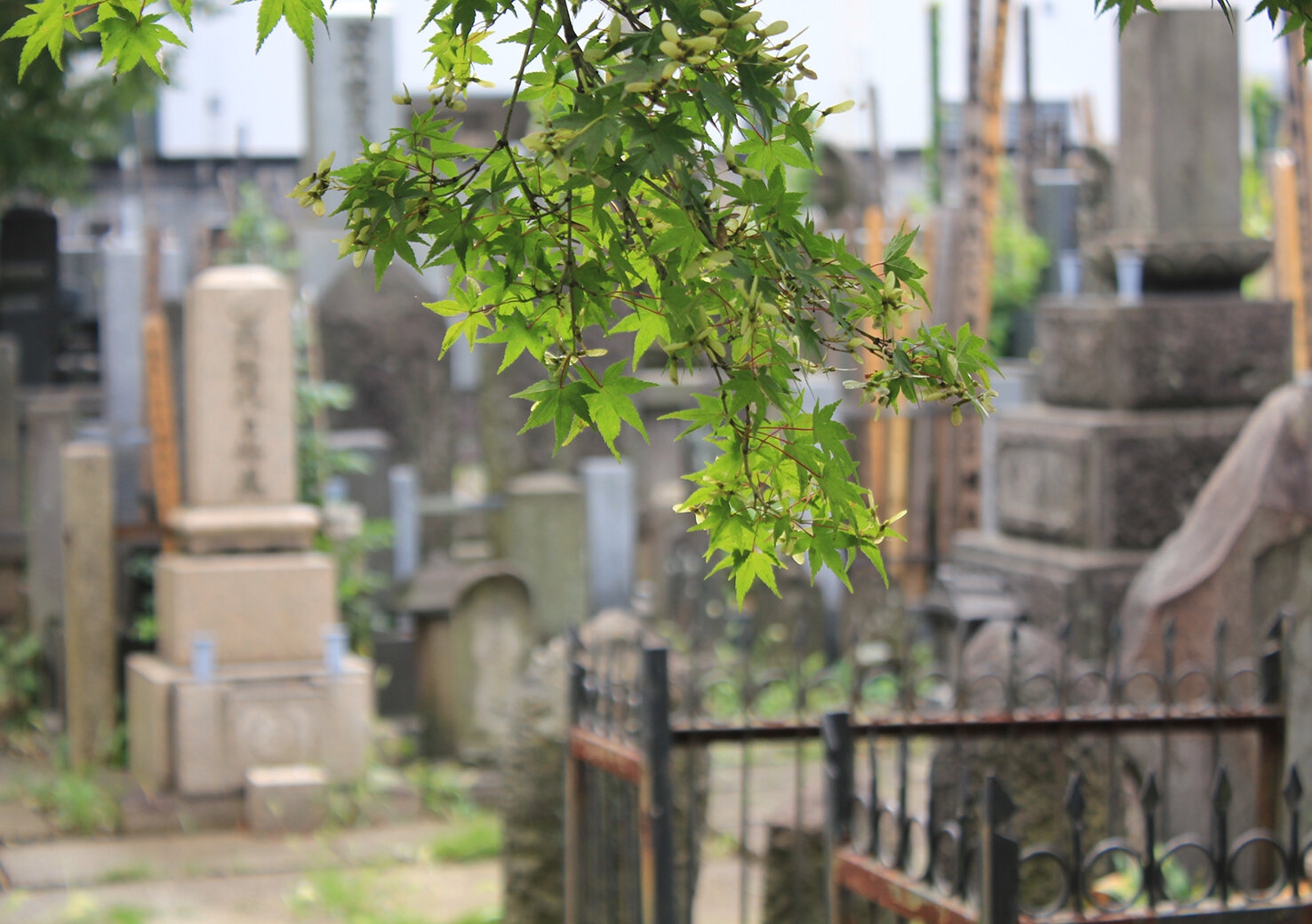
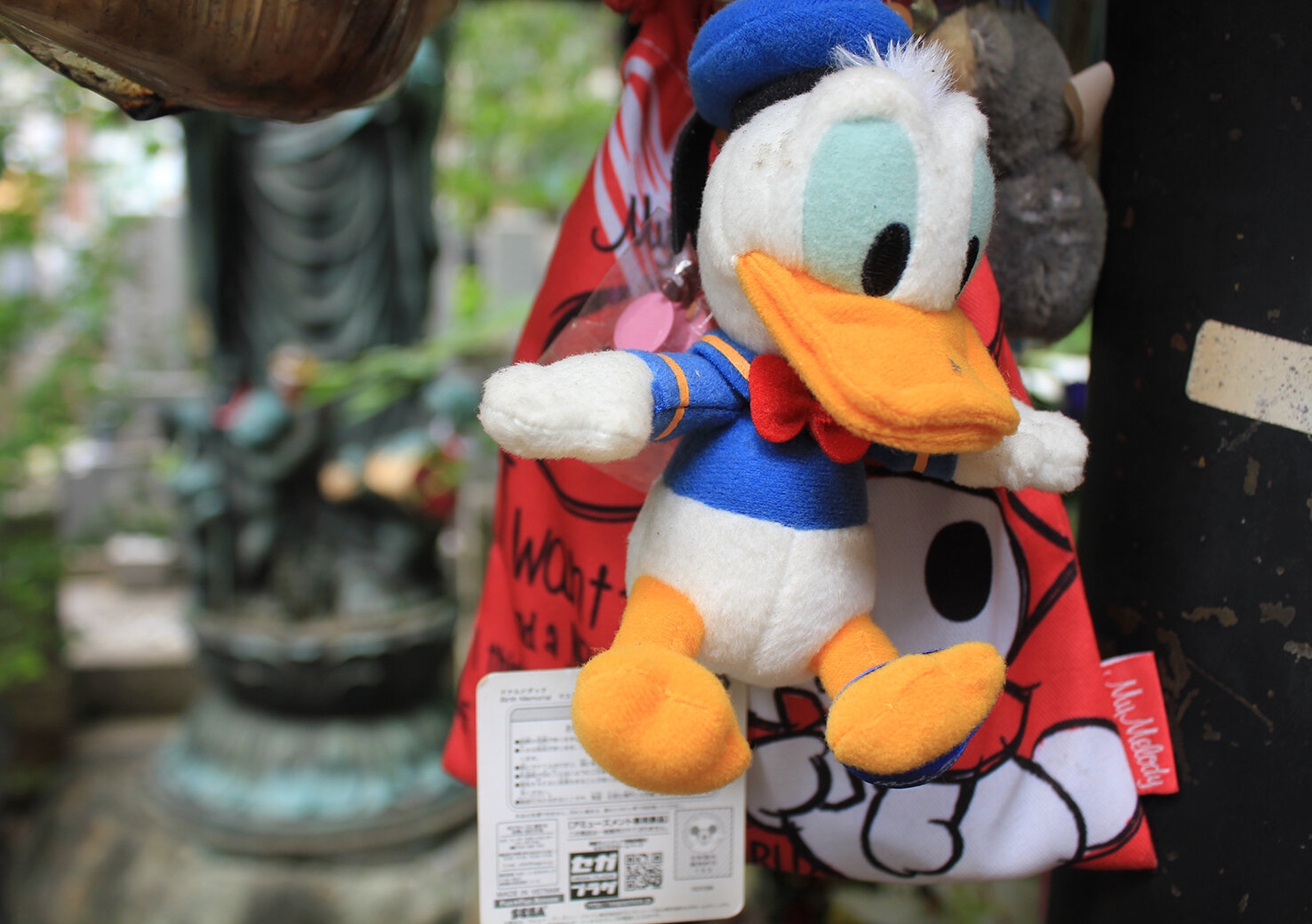
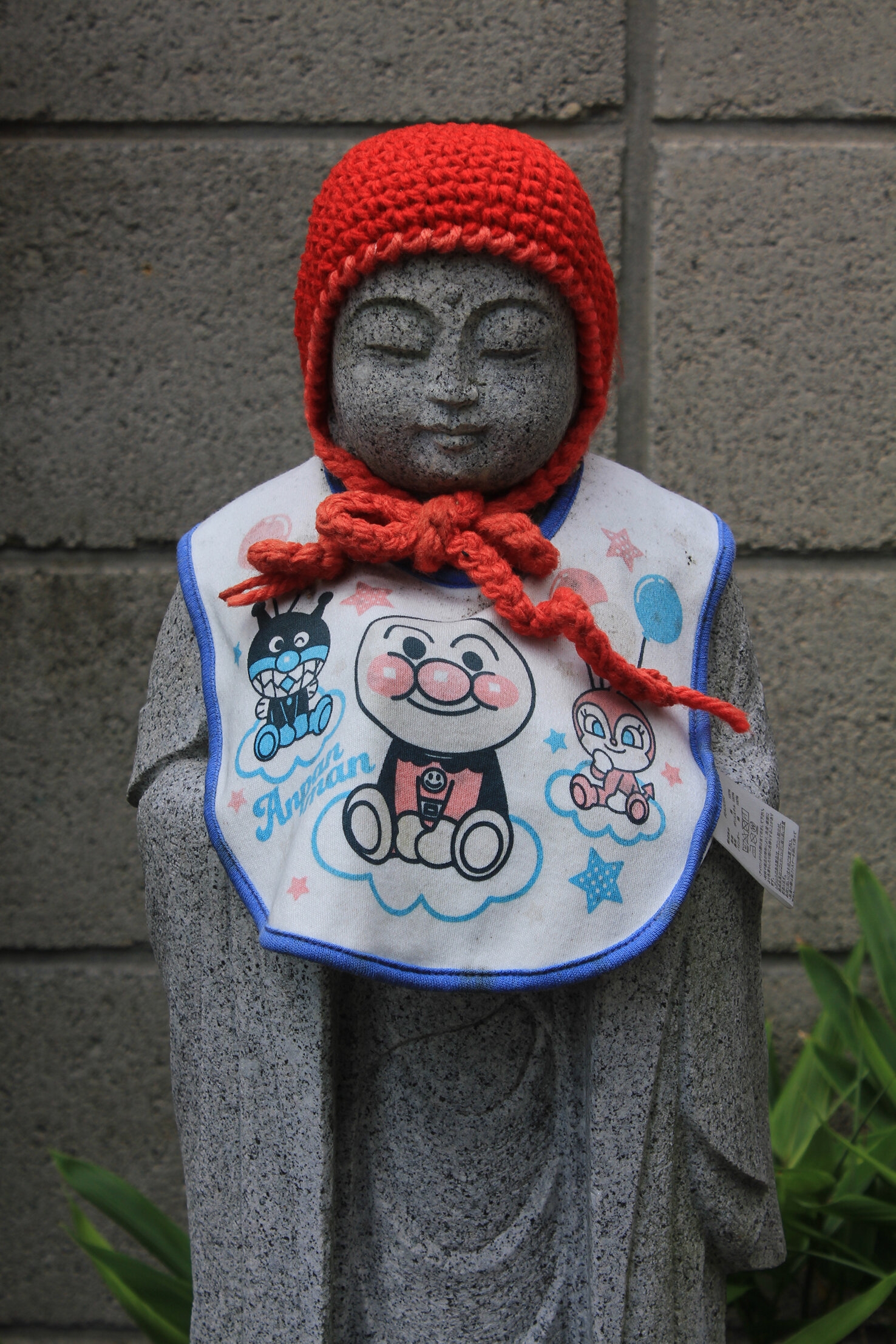
On the other side of Shakujii River lies the Buddhist Shojuin Temple, nicknamed akachan (baby) temple. Founded in the 16th century, worshippers come here to remember young children who died due to miscarriage, stillbirth, or other reasons. Numerous children's goods such as stuffed animals, toys, and dolls decorate one corner of the temple grounds, left as offerings to Jizo, a bodhisattva believed to protect children. The colorful goods are in stark contrast to the solemn temple buildings, statues, and graveyard.
Asukayama Park
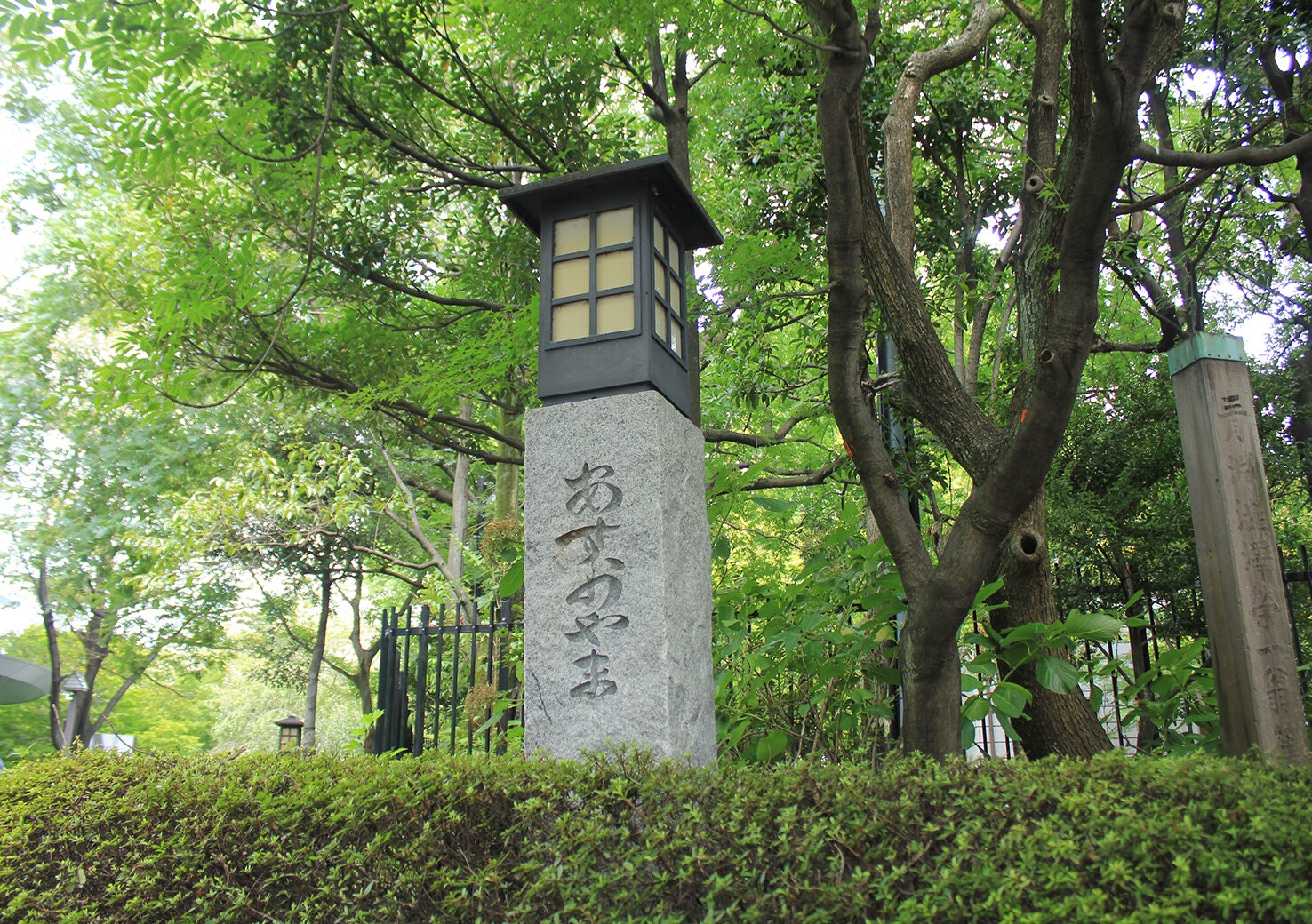
Turning back towards Oji Station, I cross the road heading to Asukayama Park, a sprawling, elevated section of green above the area around the station. It became Japan's first public park in 1873. The spacious grounds offer something for everyone to enjoy.
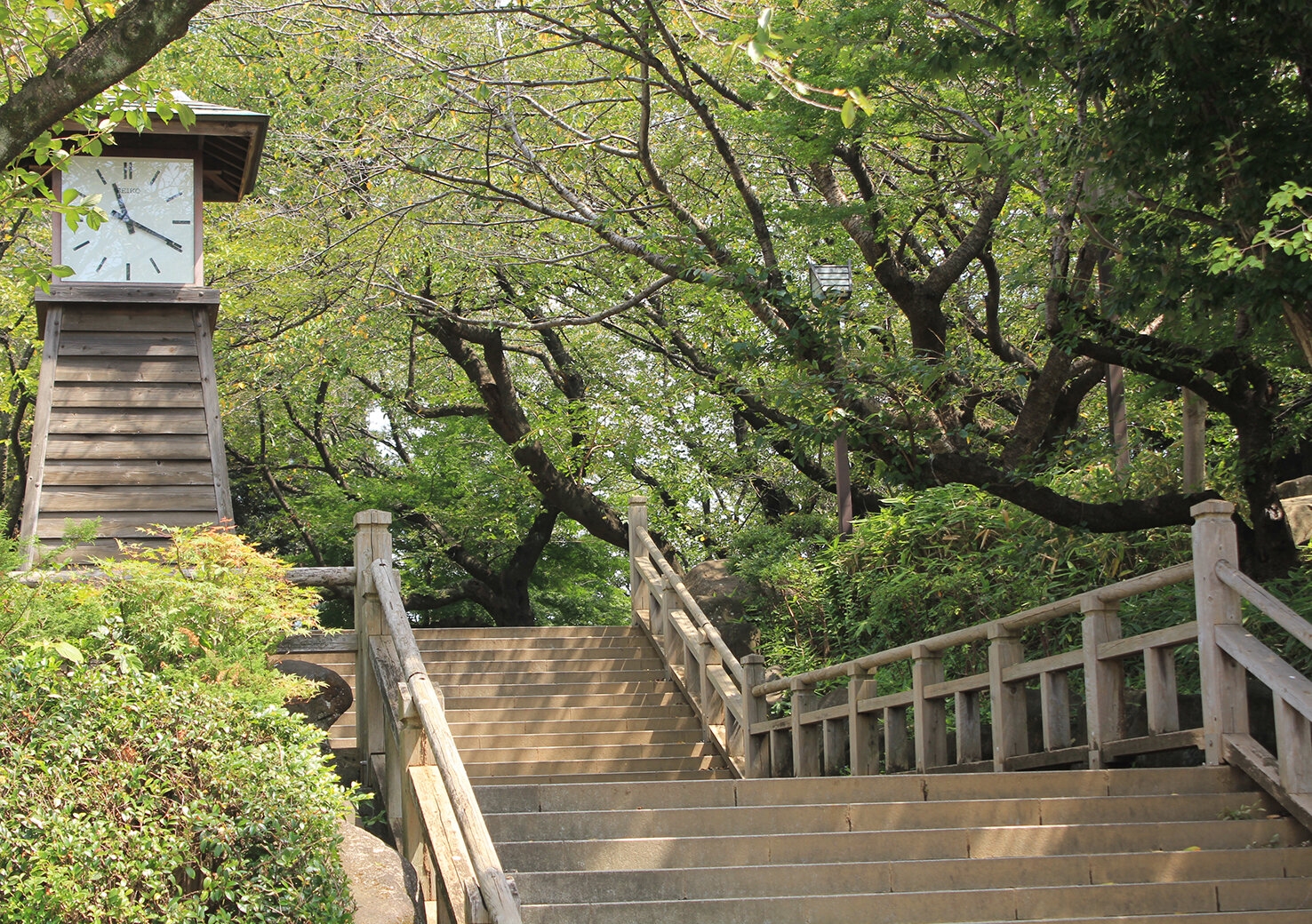
On this warm summer day, I am grateful for the leafy canopy of the cherry trees, of which there are about 600! Within this park are several sites of interest, including Kyu-Shibusawa Garden, former residence of industrialist Eiichi Shibusawa, as well as the Kita City Asukayama Museum, the Paper Museum, and the Shibusawa Memorial Museum.
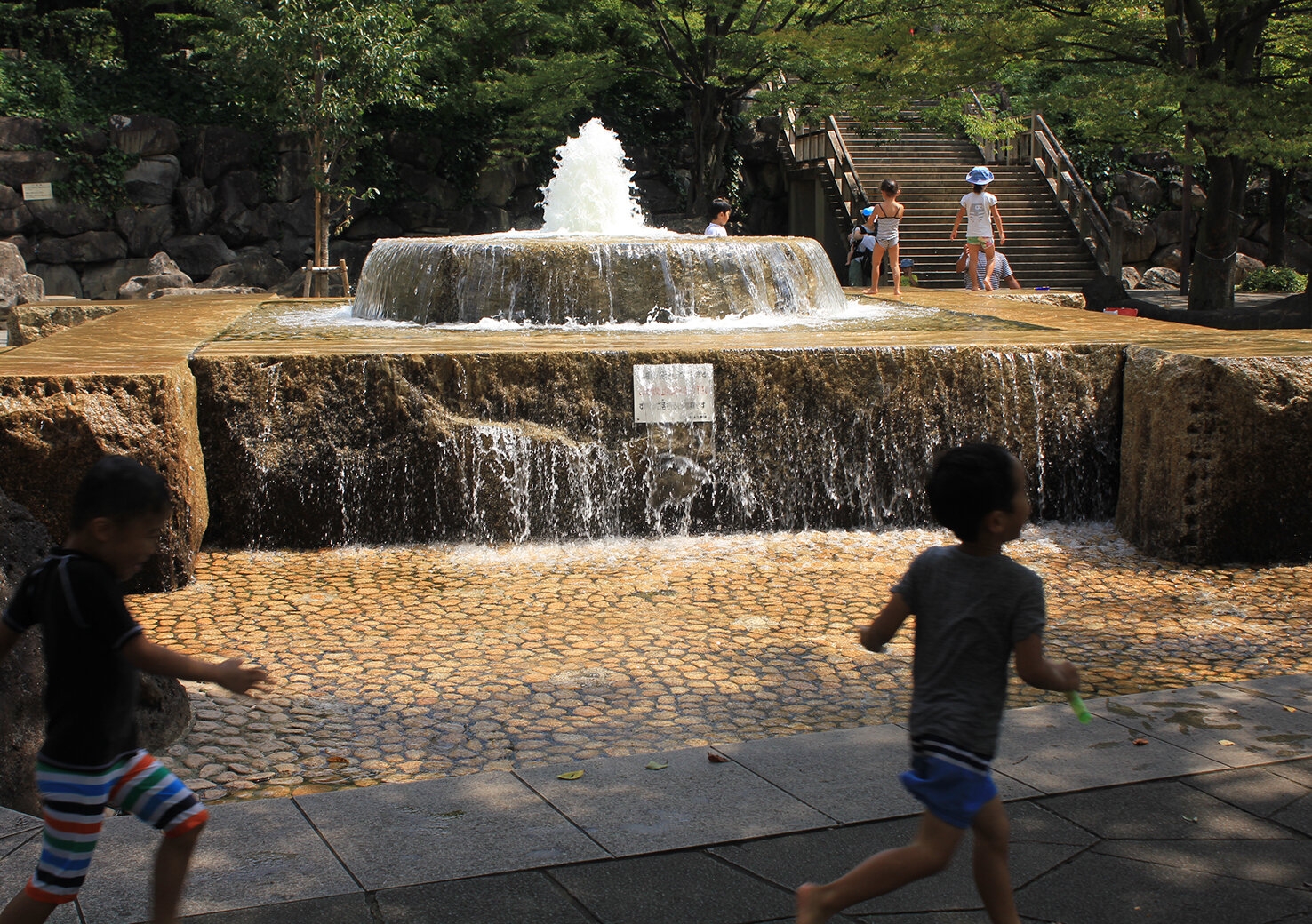
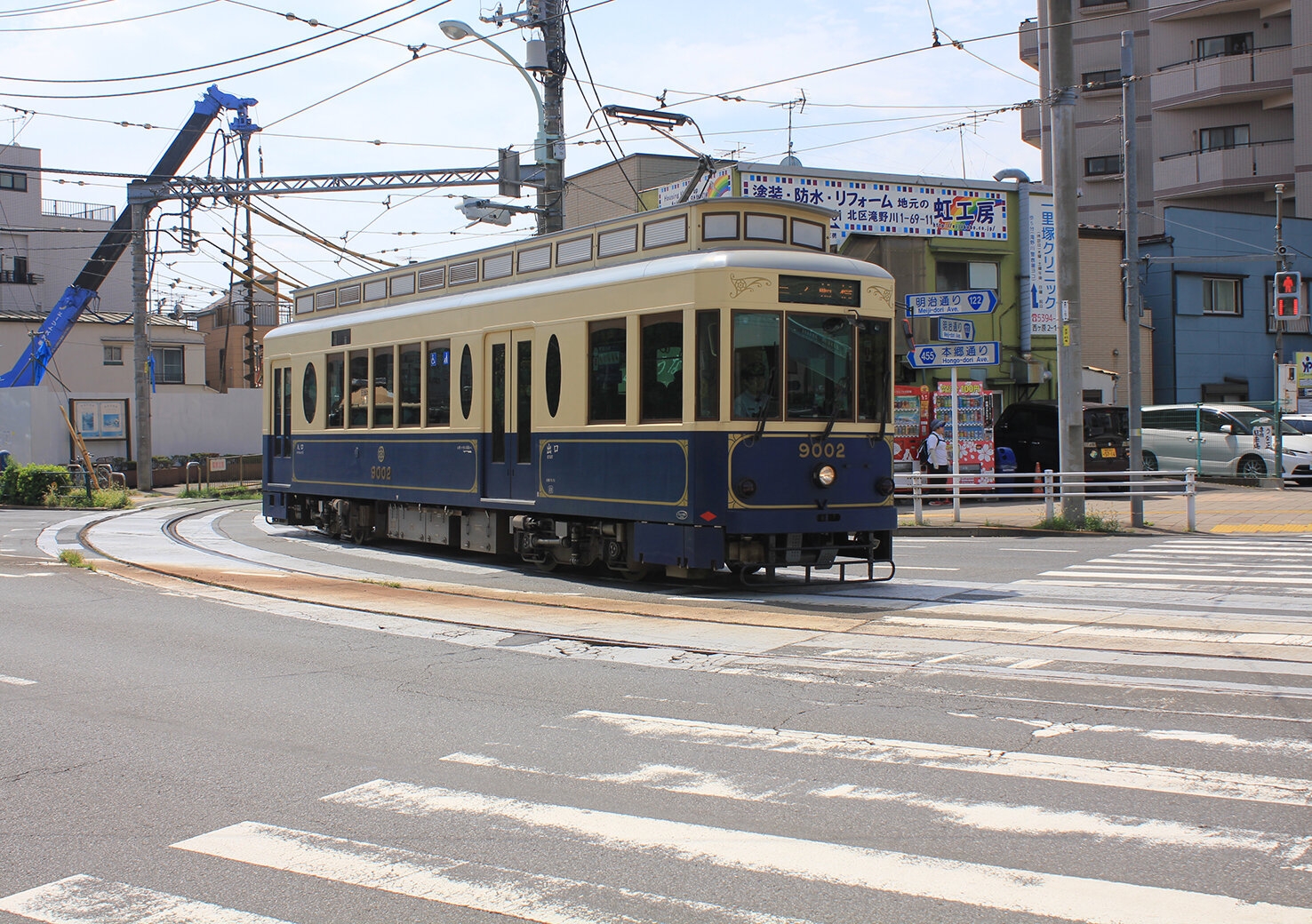
I see children playing in water fountains and darting in and out of an old steam locomotive and Toden streetcar parked in the playground, while adults have a picnic. Fittingly, the Toden Arakawa streetcar line still runs nearby, towards Oji Station, announcing its presence with a distinctive "cling, clang."
Kyu-Furukawa Gardens
Moving a little further along Hongo-dori, the landscape of small shops and businesses is interrupted by tall, roofed earthen walls. A large gate in the middle of these walls welcomes me to Kyu-Furukawa Gardens.
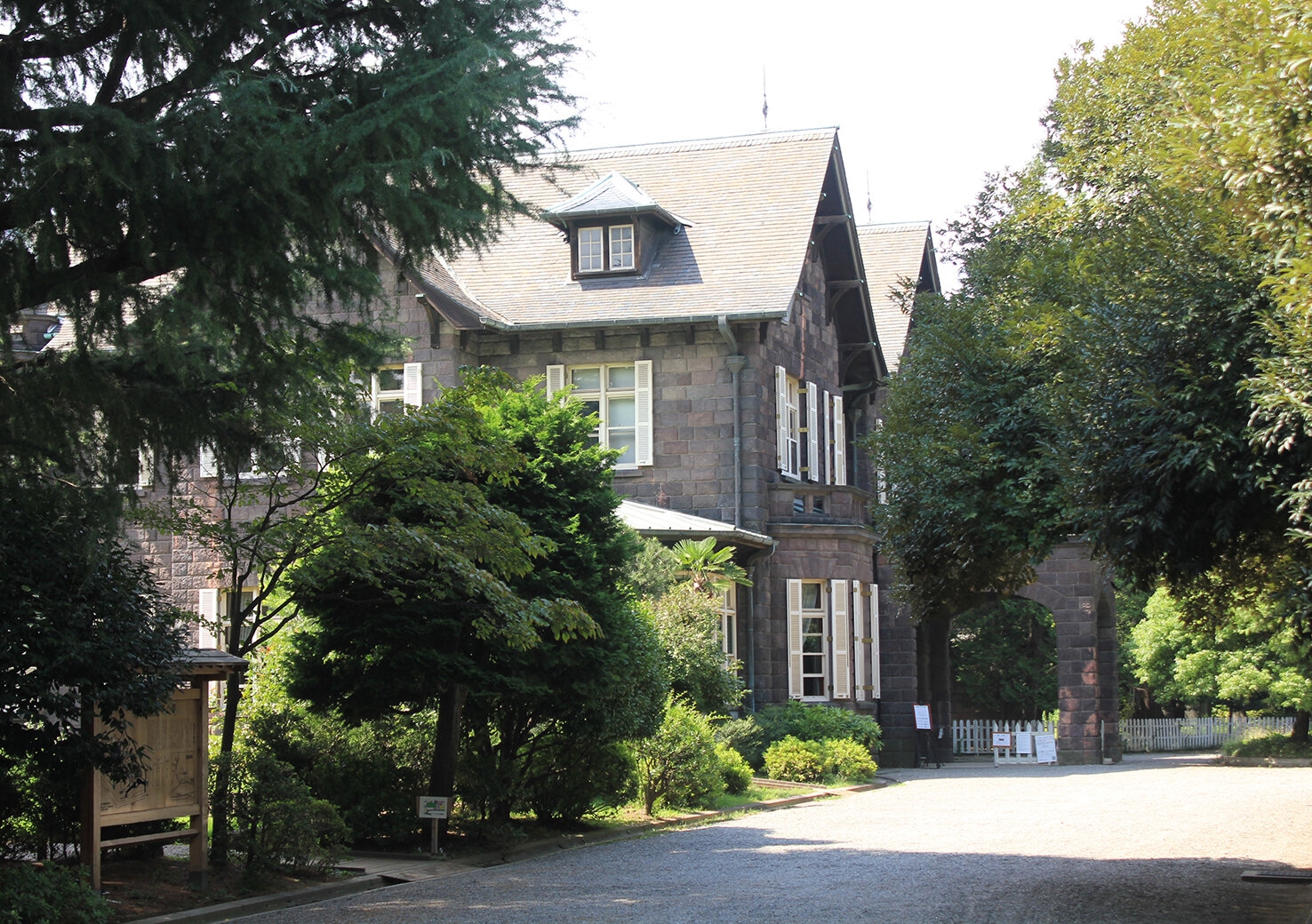
Moving a little further along Hongo-dori, the landscape of small shops and businesses is interrupted by tall, roofed earthen walls. A large gate in the middle of these walls welcomes me to Kyu-Furukawa Gardens.
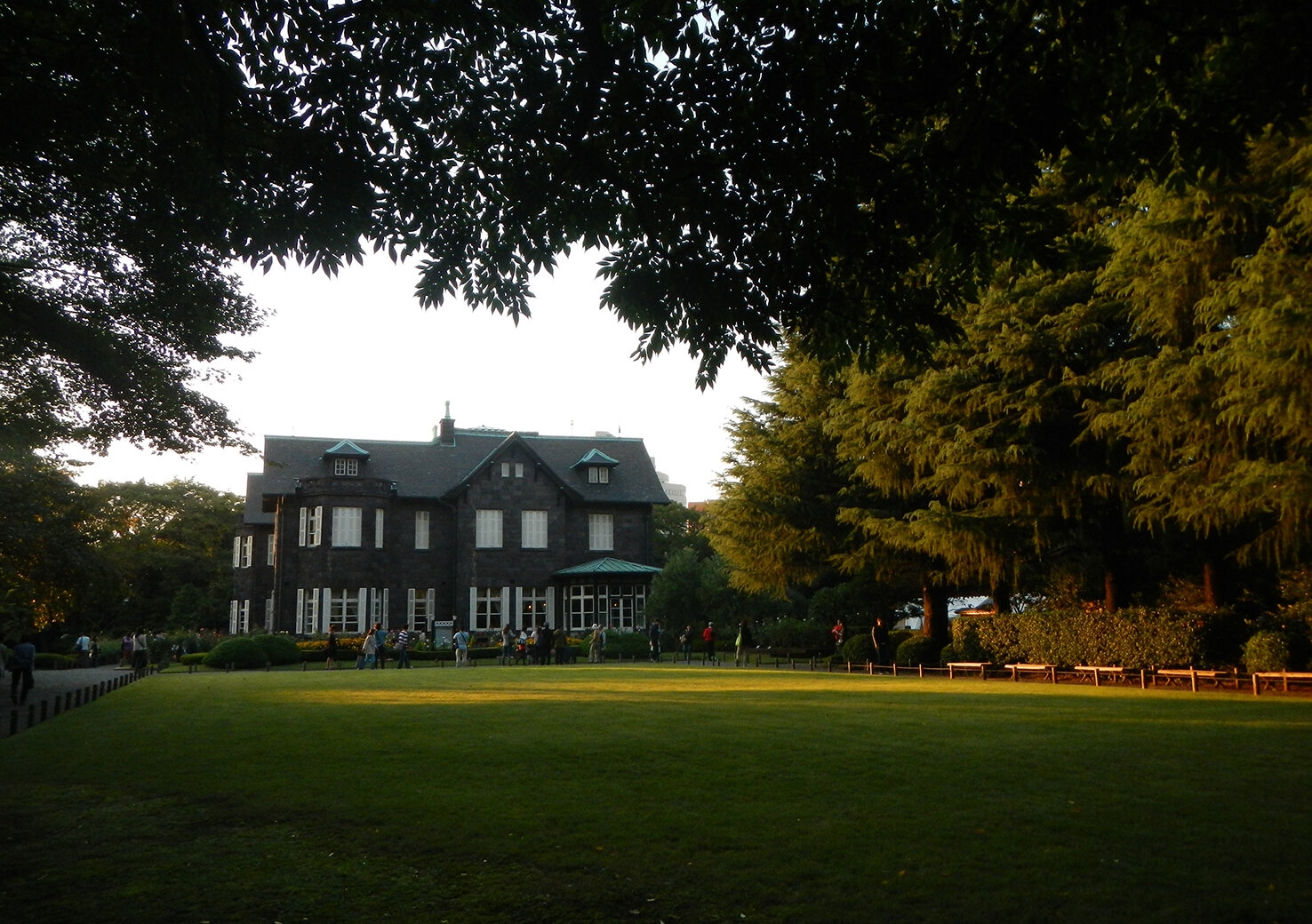
Tucked behind the entrance's gravel drive is the stately stone-built residence. The dark brown mansion was built in 1917 by Josiah Condor, an English architect who designed several other prominent facilities in Japan in the late 19th and early 20th centuries.
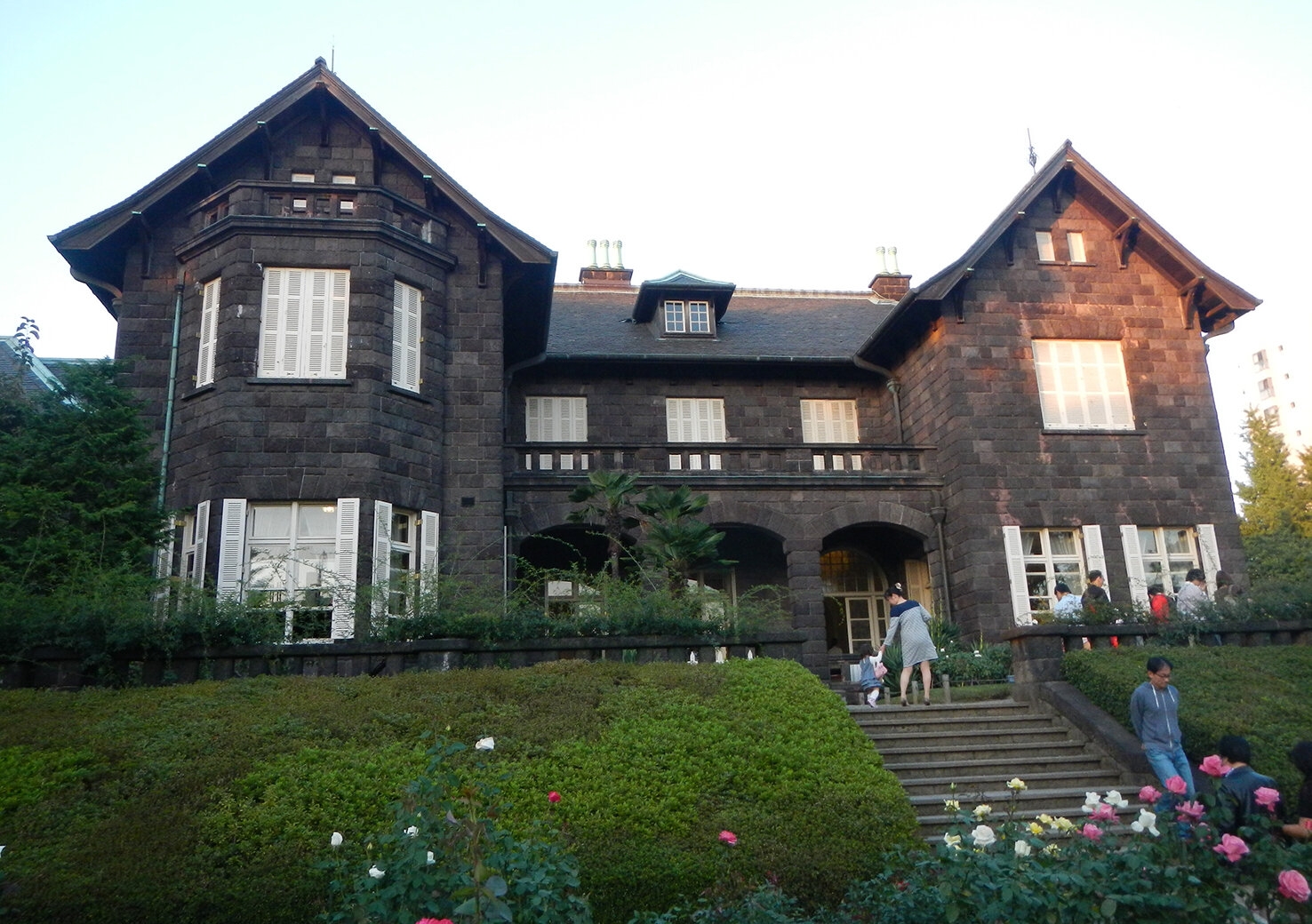
When in season, approximately 100 kinds of roses bloom in the western-style garden. There are different varieties of roses, each carefully identified on small signs with both Japanese and English names. The chisen-kaiyushiki style Japanese garden features a pond in the center, perfect to stroll around while enjoying the peaceful natural scenery. For a small fee, you can even enjoy tea inside the residence and appreciate the elegant atmosphere while gazing out over the rose garden.
Shimofuri Ginza Shopping District
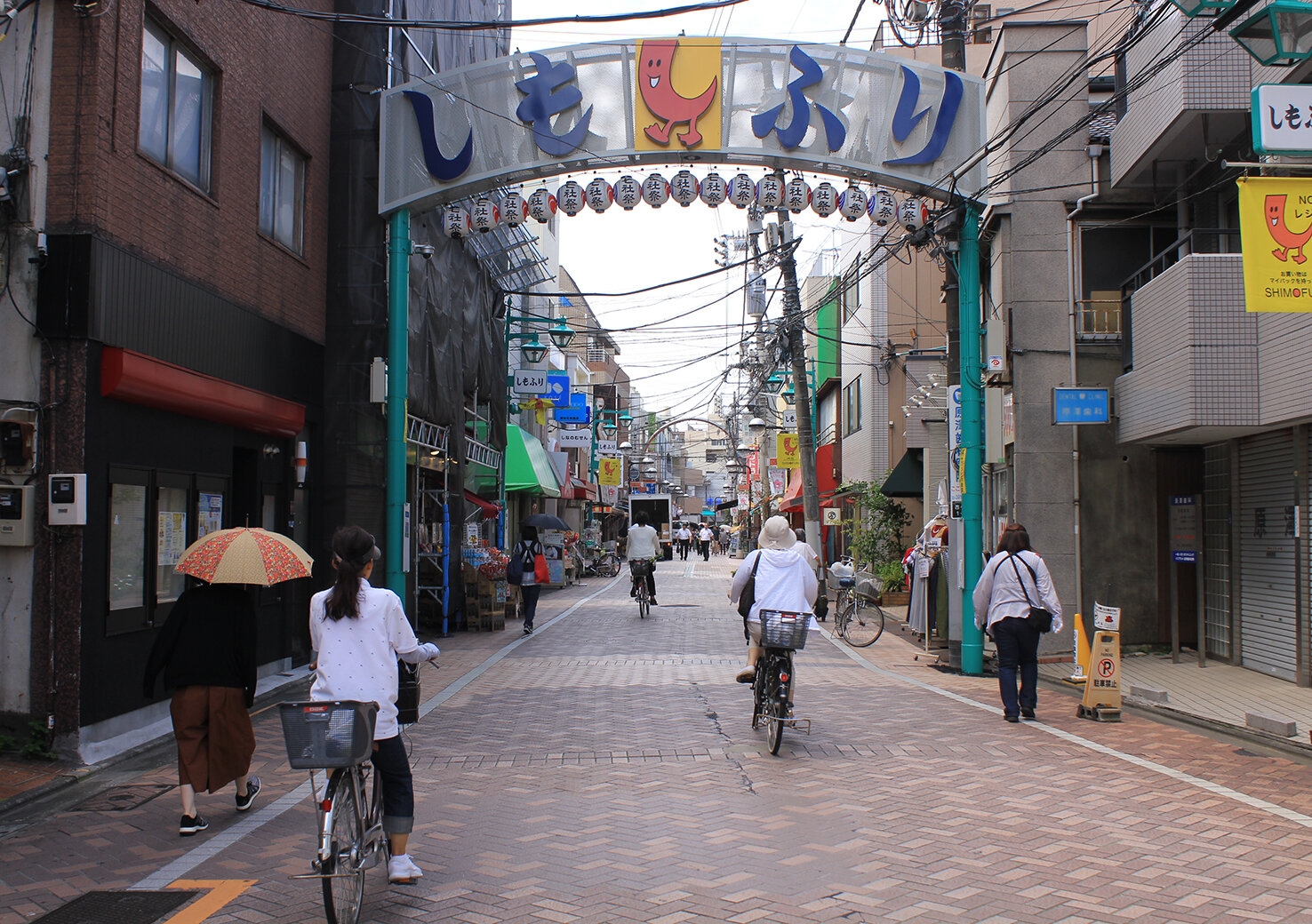
My last stop for the day is the friendly shopping district of Shimofuri Ginza. It is a long road with local businesses on either side, including an old variety store, a greengrocer tempting passers-by with fresh fruit, and a coffee shop remodeled from an old post-war building. Places like this are where the community shops, and the area comes to life on weekends.
It's convenient to reach Kita City; it's located within 30 minutes of most major areas in Tokyo. There are also many events in Kita City throughout the year, one of the most famous of which is the spectacular Kita City Fireworks Festival held annually in autumn. Fireworks are set off over the river close by, making for a dynamic and beautiful sight. Another popular festival is the Oji Fox Parade on New Year's Eve, which sees people dress up as foxes and walk from Shozoku Inari Shrine over to Oji Inari Shrine.
Free up your schedule, put on some comfortable shoes, and come out to discover the rich history and culture that await in Kita City.
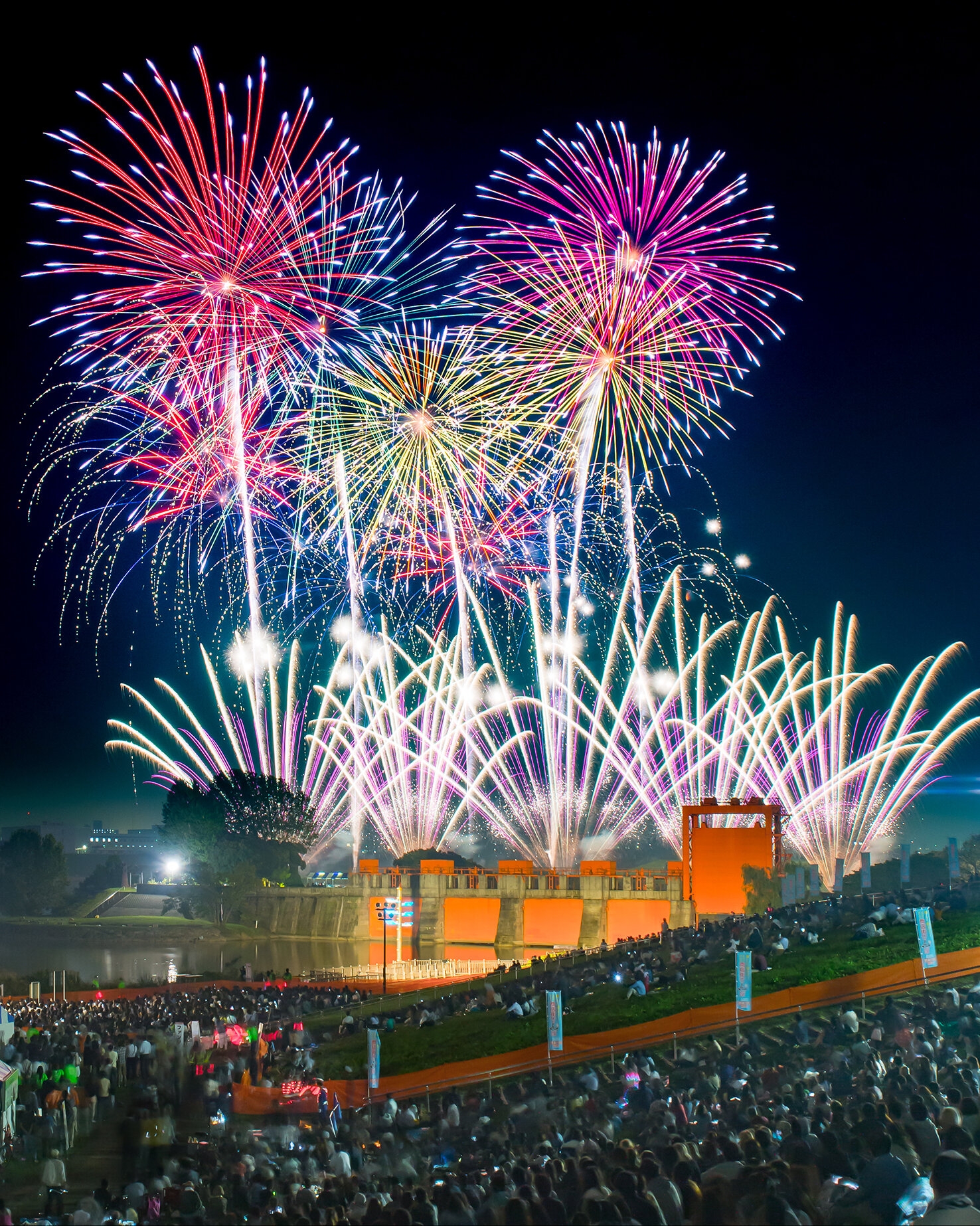 7th Kita City Tourism Photo Contest Tourism Division City Council Chairperson Award "Coloring an Autumn Night Sky" Eiji Nakane
Kita City Tokyo Official Site
http://www.kanko.city.kita.tokyo.jp/
Article and photos by Noam Katz.
*This article was posted on the Life in Tokyo website operated by the Tokyo International Communication Committee on November 26, 2018.