


Gardens, Streams, and Stones: Explore the Unexpected Nature of Kokubunji
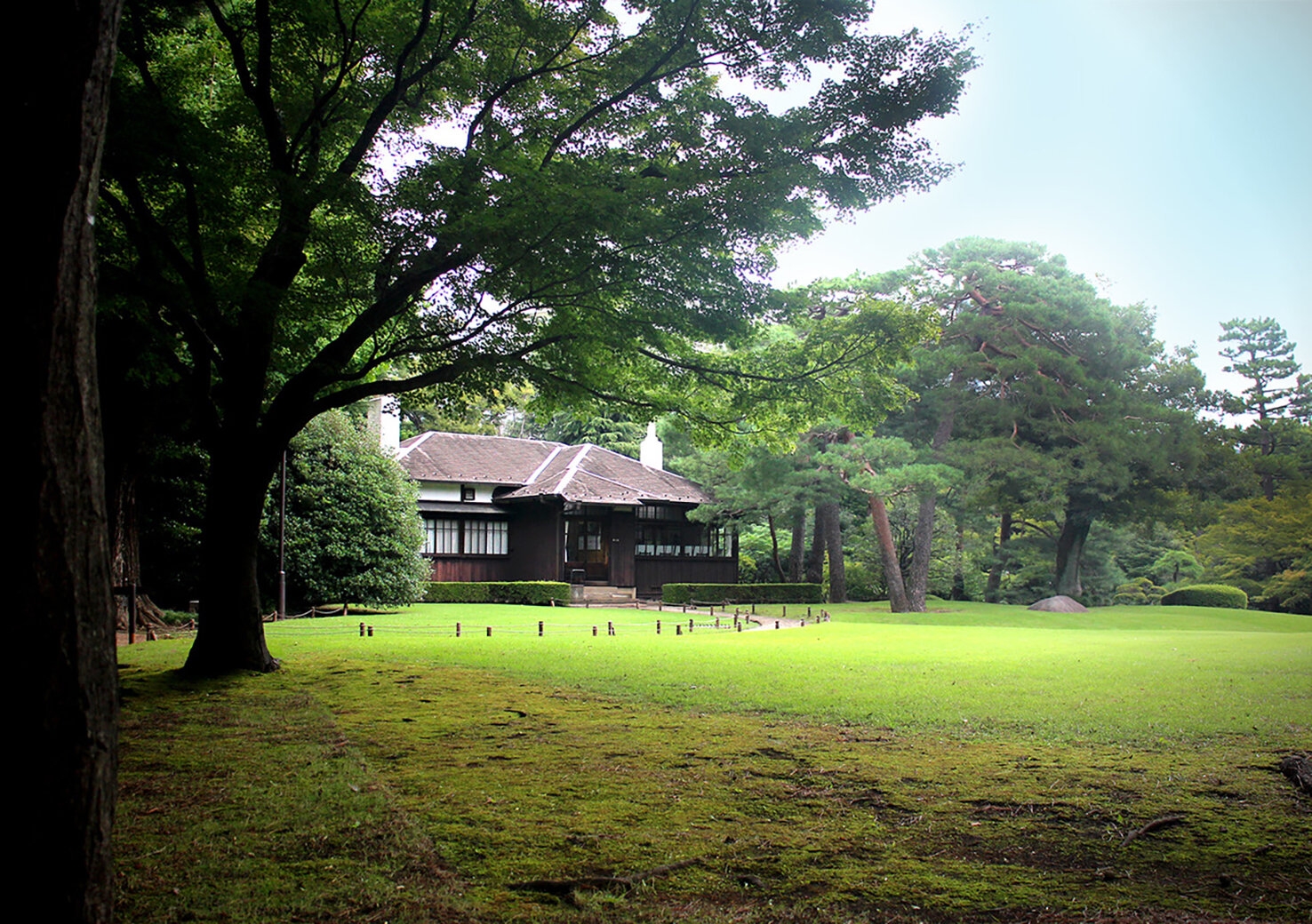
The typical image of Tokyo--at least from outside Japan--is akin to that of the cult-classic film Blade Runner: a high-tech metropolis, densely packed with skyscrapers, flashing signs, and maybe even flying cars. While the Japanese capital does have its share of high-rises and neon--though not yet airborne autos--nature is unexpectedly abundant and just a short train ride from the city center.
One such oasis is Kokubunji, a city of roughly 122,000 located in the Tama area of western Tokyo. Just a 30 -minutes ride from Shinjuku Station on the Chuo Line (Rapid), Kokubunji is home to some of the most historic and placid areas of the capital.
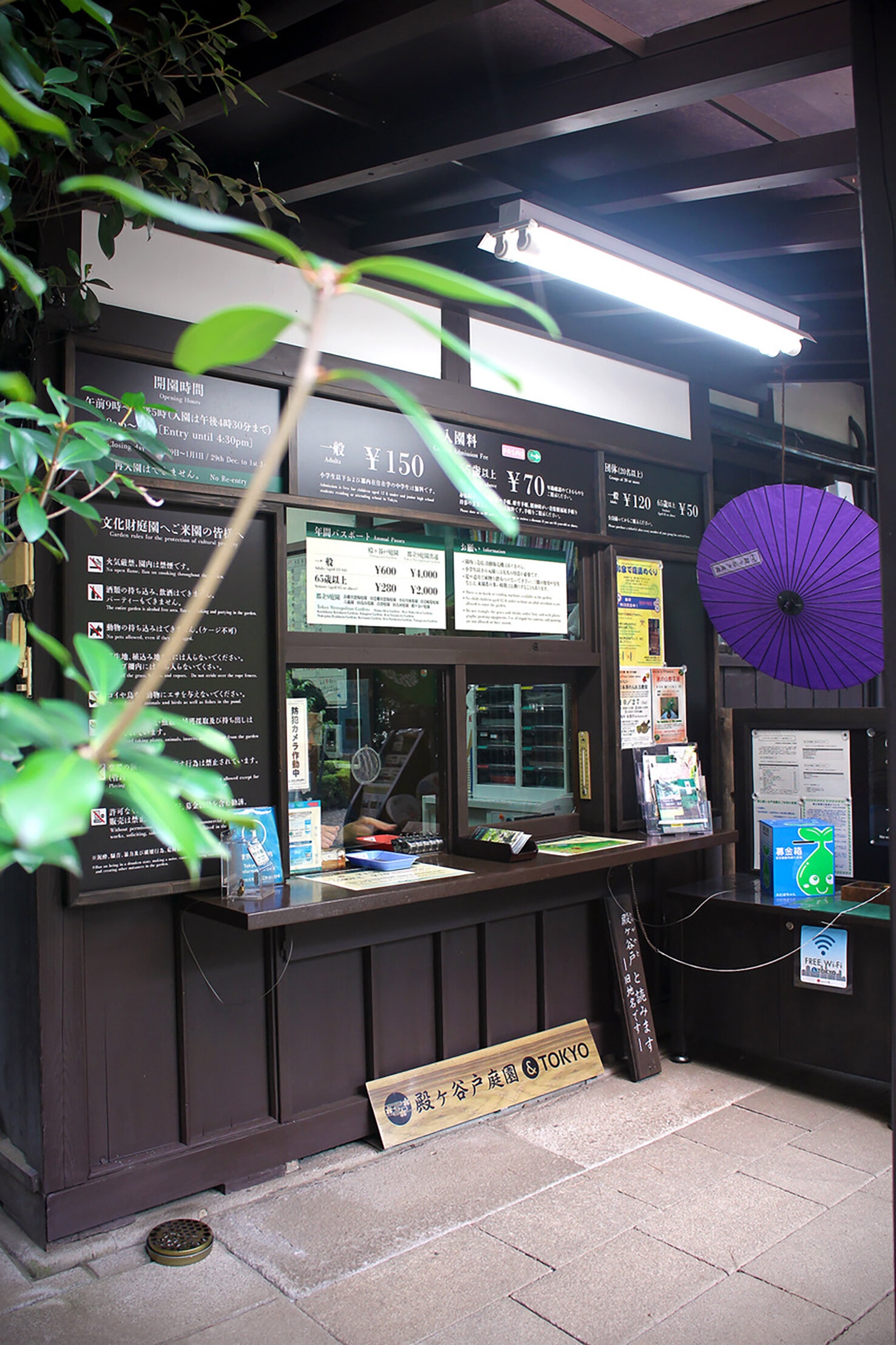
GRAB A GUIDE
Even if you are a long-time resident of Tokyo, familiar with the chaotic nature of its streets, it is easy to get lost on the labyrinthine path that leads from Kokubunji Station to the temple from which the city takes its name. Fortunately, guided tour services for sightseeing spots in Kokubunji, Tokyo, are available and can be booked through the website of Go Tokyo, the official Tokyo travel guide operated by the Tokyo Convention & Visitors Bureau.
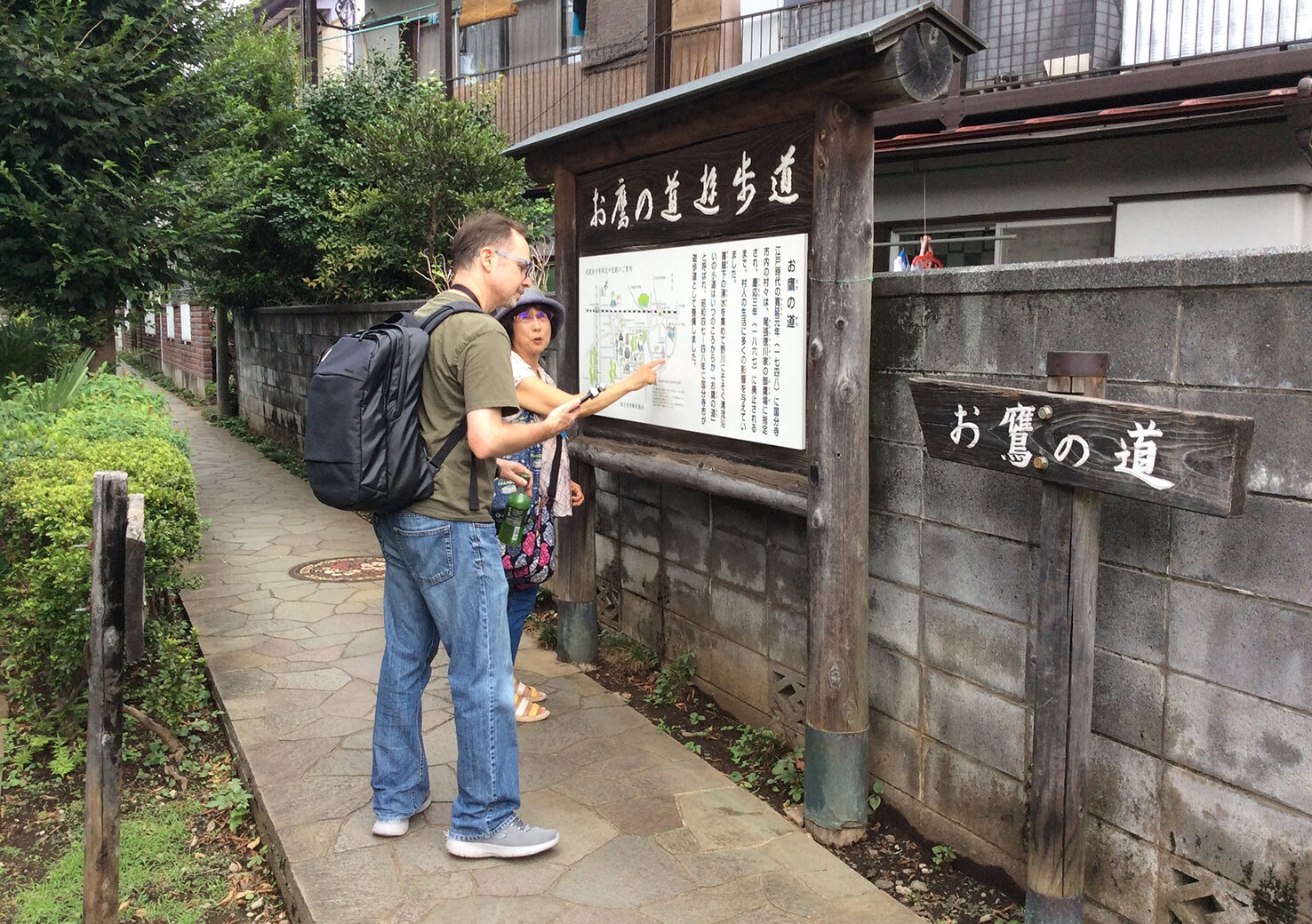
To get the full story, exploring with a guide is a must. (*2 guides will attend the actual tour.)
There are 13 routes that start at the Tokyo Tourist Information Center on the third floor of the Shinjuku Expressway Bus Terminal. Available in seven languages, these tours are the best way to experience the history, culture, and nature of Tokyo.
Route 6, entitled "Thirty minutes from Shinjuku: Journey to Enjoy History and Nature," is a three-hour exploration of the beautiful Tonogayato Gardens, Otaka-no-Michi, Masugata Pond Springs, Kokubunji Romon, Niomon, Yakushido, and an amazing collection of stone Buddhas.
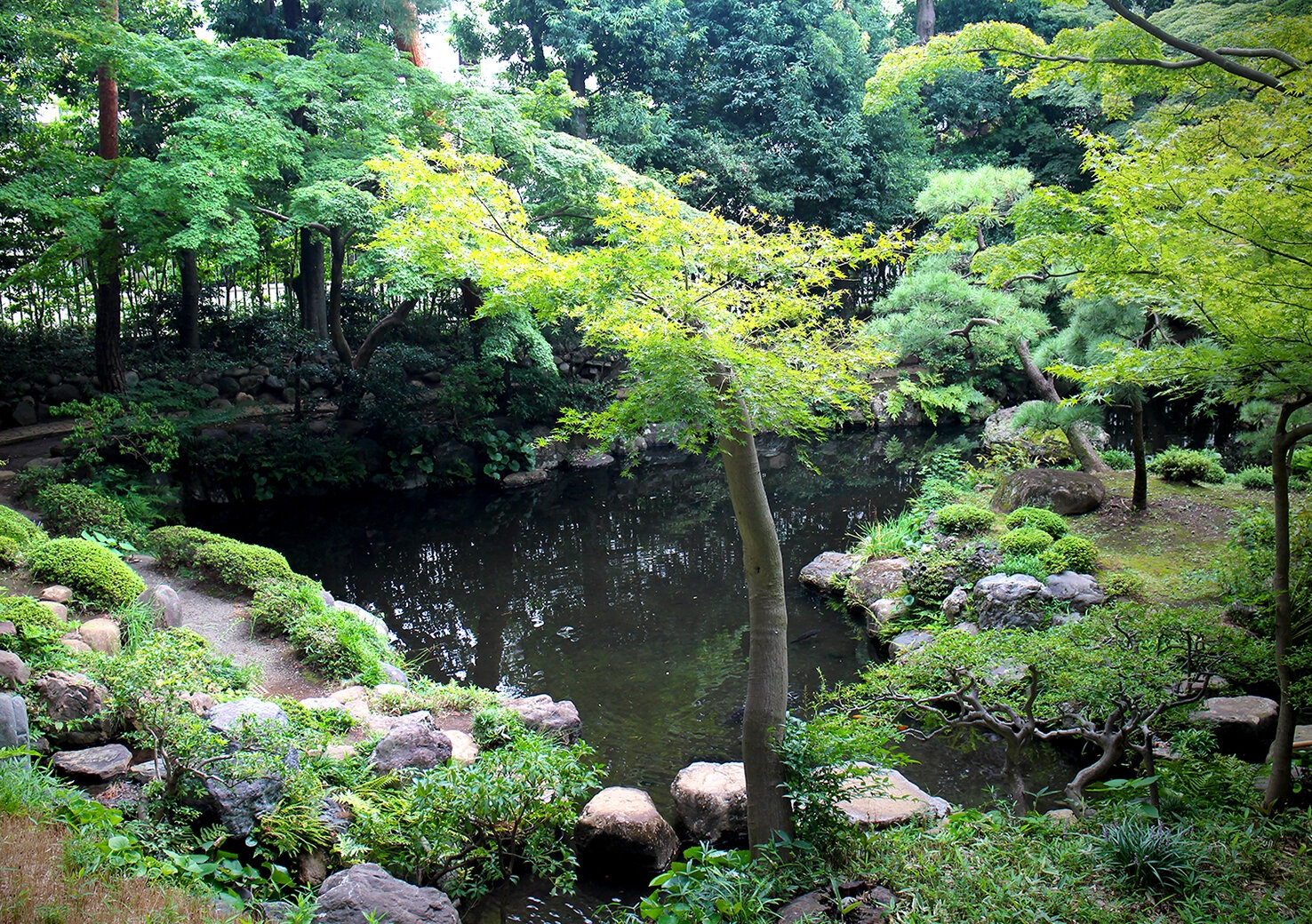
The view of Jirobenten-ike Pond from Koyo-tei is beautiful and changes with the seasons.
From Kokubunji Station, it is a short walk to Tonogayato Gardens, a villa established between 1913 and 1915 by Sadae Eguchi, a former employee of the Mitsubishi Goshi Kaisha. The president of that company, Hikoyata Iwasaki, purchased the property from the Eguchi family in 1929 and, over the next half decade, transformed it into a circuit-style garden. The main house was reconstructed in a mixed Japanese-Western style and a new building, the Koyo-tei, was added. This tea-ceremony pavilion overlooks the tranquil Jirobenten-ike Pond, which is fed by fresh spring water from the Musashino Plateau.
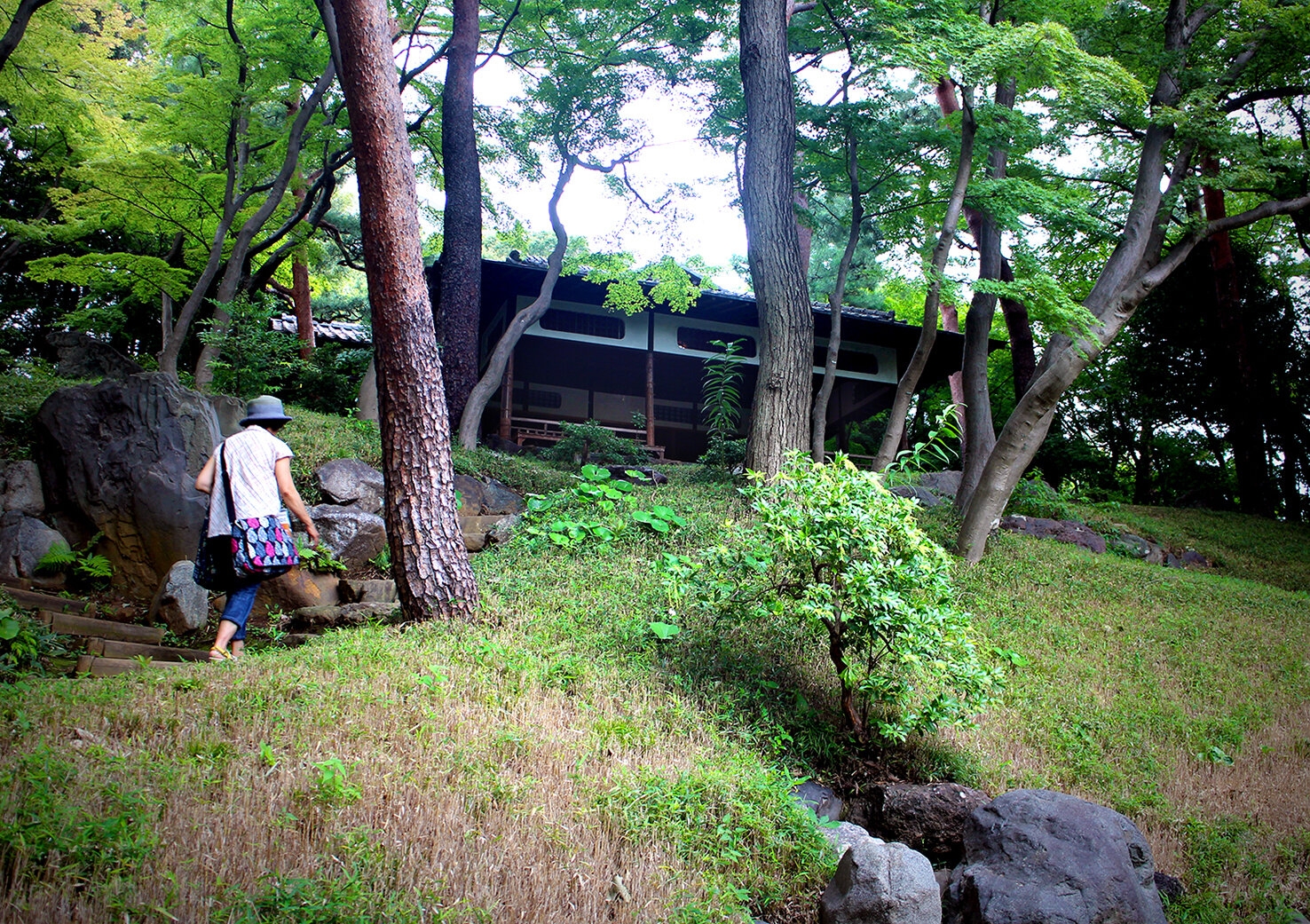
Koyo-tei can be reserved for tea ceremonies, haiku readings, and other gatherings.
Tonogayato Gardens was purchased by the Tokyo Metropolitan Government in 1974 and has been named to Japan's list of National Places of Scenic Beauty.
FOLLOW THE WATER
From here, the guided tour takes you to Otaka-no-Michi, or road of hawks, a peaceful road that traces the rift of the Musashino Plateau along which runs a stream of spring water. The history of the area is fascinating. As the knowledgeable guides explain, during the Tokugawa Period, the area was used as a hawk (or taka in Japanese) hunting ground by the shogunate, and it came to be called "Otaka-no-michi." Today, in summer, fireflies can be seen --something few would imagine to be the case within the Tokyo metropolis.
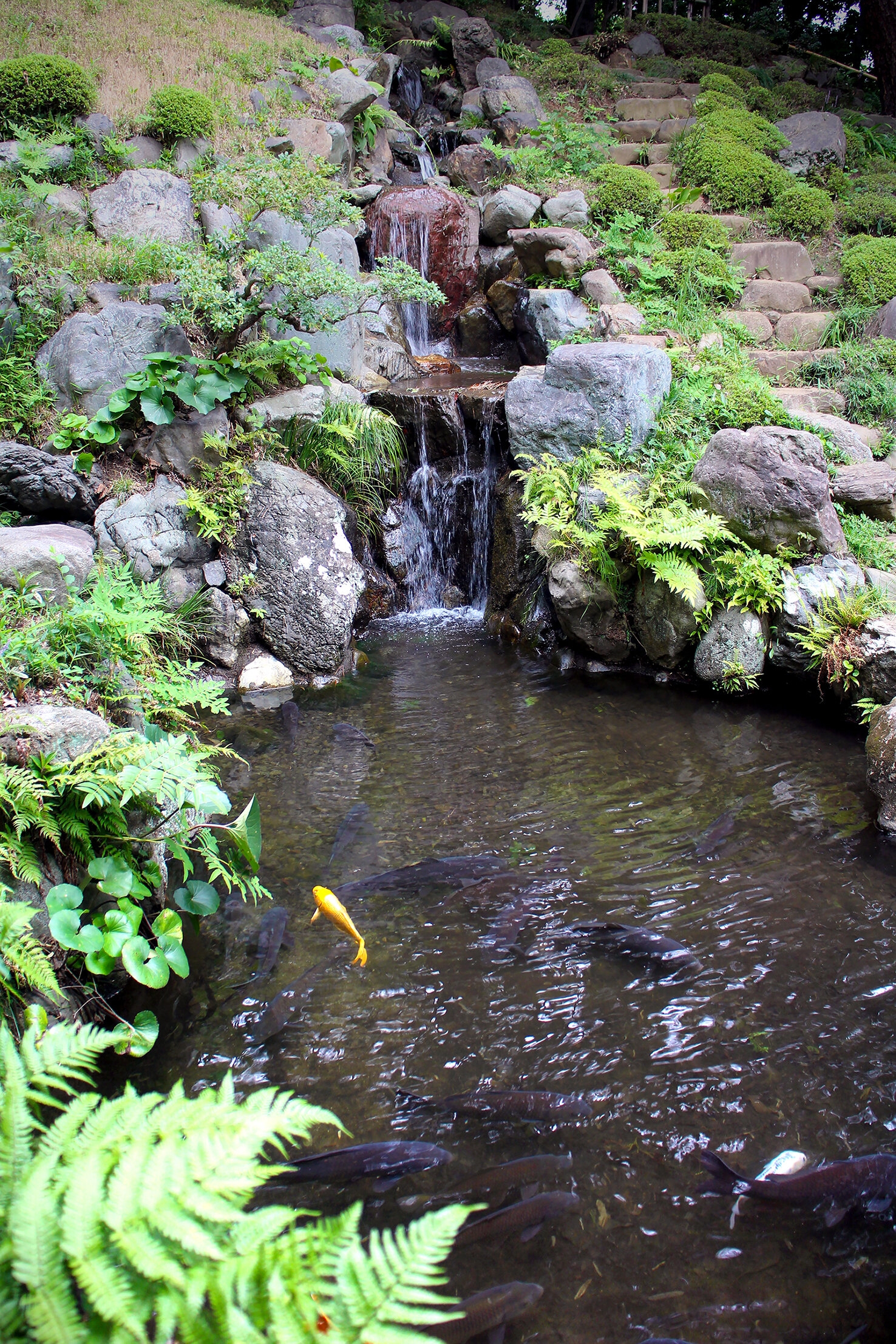 Clean and refreshing spring water runs throughout the area, such as this waterfall that feeds Jirobenten-ike Pond.
Following the water's path leads you to Masugata Pond Springs, a place said to have incredible healing powers. According to legend, a beautiful princess who fell ill with an incurable skin disease was instructed to apply these waters to her face. It worked. Her beauty was restored and a shrine was built in her honor. Today, these waters have been named among the 100 best in Japan.
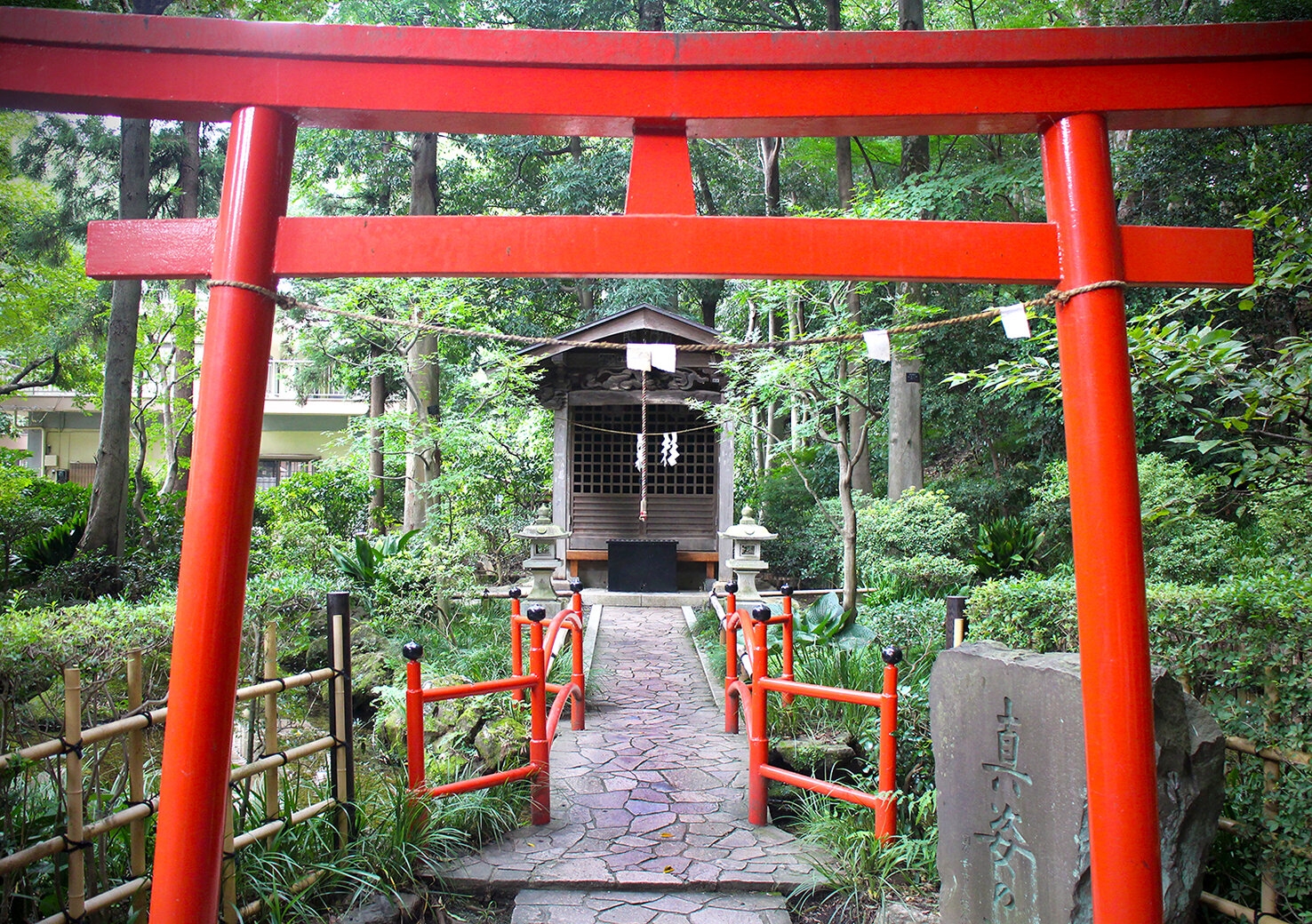 Masugata Pond Springs and the accompanying shrine are said to have healing powers.
Not far away is the Kokubunji Temple itself. After passing the romon gate you will come to the niomon gate, which houses the Kongorikishi statues that are the traditional guardians of Buddhist temples.
Kokubunji Temple, first established during the Nara Period (710-794) on a nearby site by order of Emperor Shomu. The original Kokubunji was burned down during warfare in the fourteenth century and only the foundation stones remain. The present-day Kokubunji (pictured below) was built in the eighteenth century next to Yakushido Hall, in which the medicine Buddha Yakushi Nyorai is enshrined. As the story goes, Yakushi Nyorai was able to escape the destruction of the original Kokubunji of his own accord and is, today, honored on this site. It's a story best told by the tour guides.
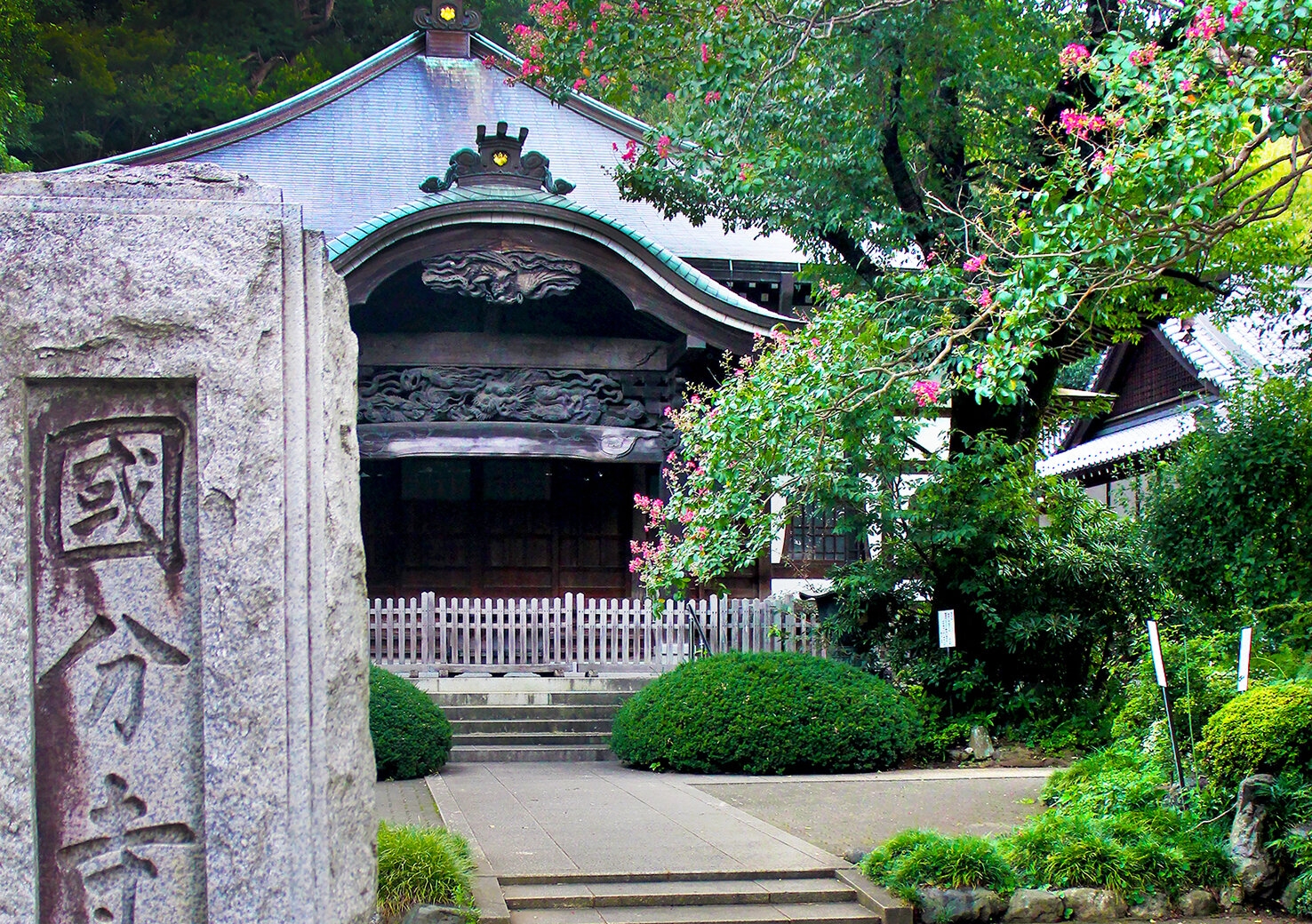 The tour culminates at the source of the area's name: Kokubunji Temple.
Behind the Yakushido temple, you will find a row of stone Buddha statues--called sekibutsu* that were made for people who wanted to experience the Shikoku Pilgrimage, a 1,200-kilometer journey to 88 temples on Shikoku associated with the Buddhist monk Kobo Daishi. There were originally more than 88 sekibutsu scattered around the area. But as some were stolen, there are now fewer than 88 lined up behind Yakushido.
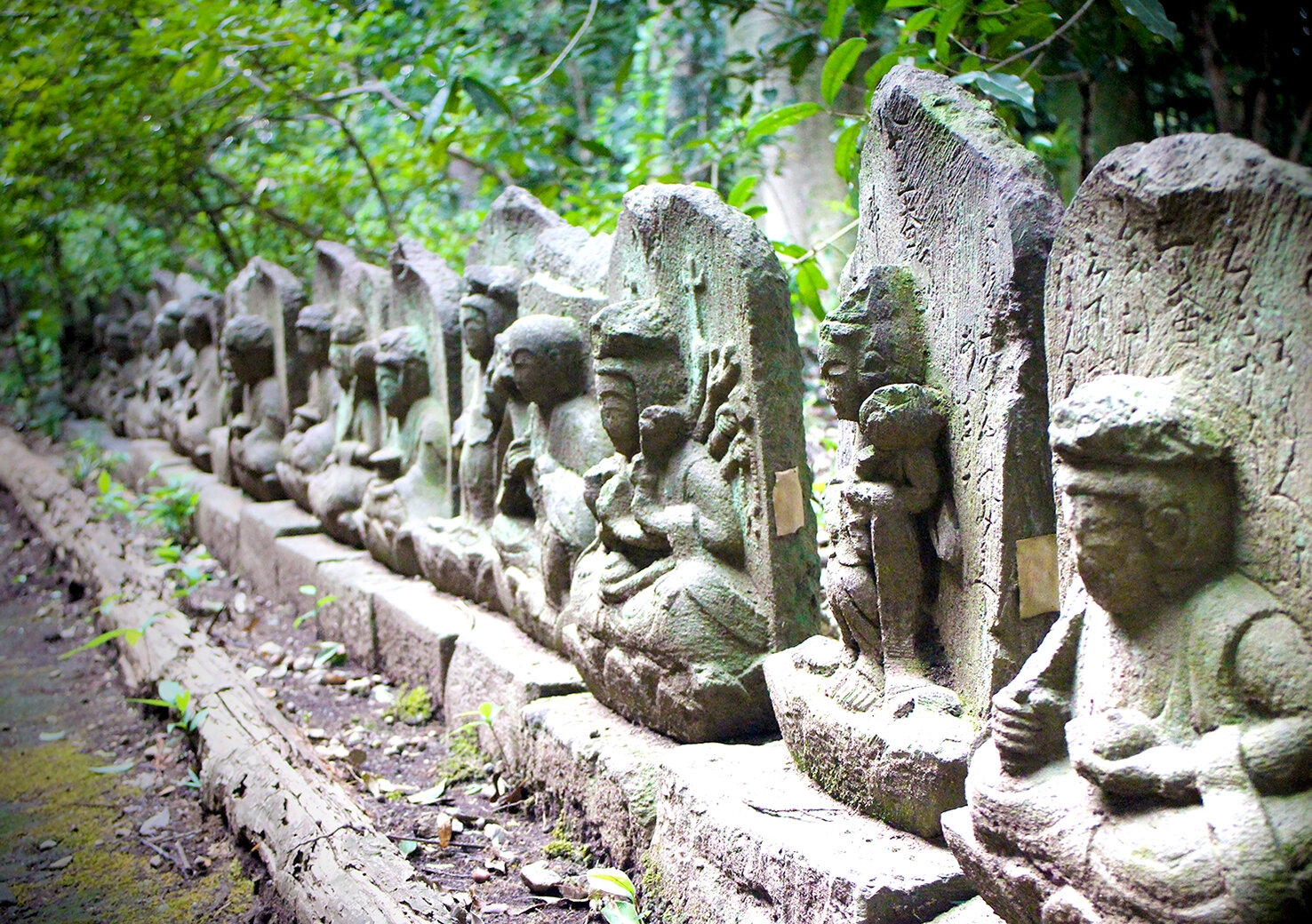 These Buddha statues connect you with the 88 temples of the far-Shikoku Pilgrimage.
JUST THE BEGINNING
Leaving the tiny Buddhas behind, the next stop on the tour is the Izumi-cho Kosaten Higashi bus stop and then Kokubunji Station, where the guides depart. But the learning doesn't end as the statues fade from view. One of the delights of the tour is talking to the guides. Besides being extremely knowledgable of the sites and their history, each guide has a unique personal story. There really is no better way to immerse oneself in real Japan than this experience--and 13 more await. So, visit Go Tokyo and participate in a tour to learn everything that could not fit into this story. Then dip into the others to become an expert on Tokyo in your own right.
*The tour in this story is open to both non-Japanese residents and tourists.
Route 6: Thirty minutes from Shinjuku; Journey to Enjoy History and Nature
https://www.gotokyo.org/en/guide-services/enjoy-history-and-nature/
Full list of guided tours
https://www.gotokyo.org/en/guide-services/
*This article was posted on the Life in Tokyo website operated by the Tokyo International Communication Committee on November 13, 2018.