


Escape to nature, just an hour from Tokyo -Akigawa Valley-

Akigawa Valley, just 50 km west of central Tokyo, is the perfect getaway. It takes just a shade over an hour to get there by the train from Shinjuku, and by the time the suburbs start to thin out--replaced by a verdant landscape covered with trees--you'll feel like you are nestled in nature long before you arrive. When you do reach Musashi-Itsukaichi Station, it is worth reminding yourself that you are still in Tokyo, even though the city feels far away.
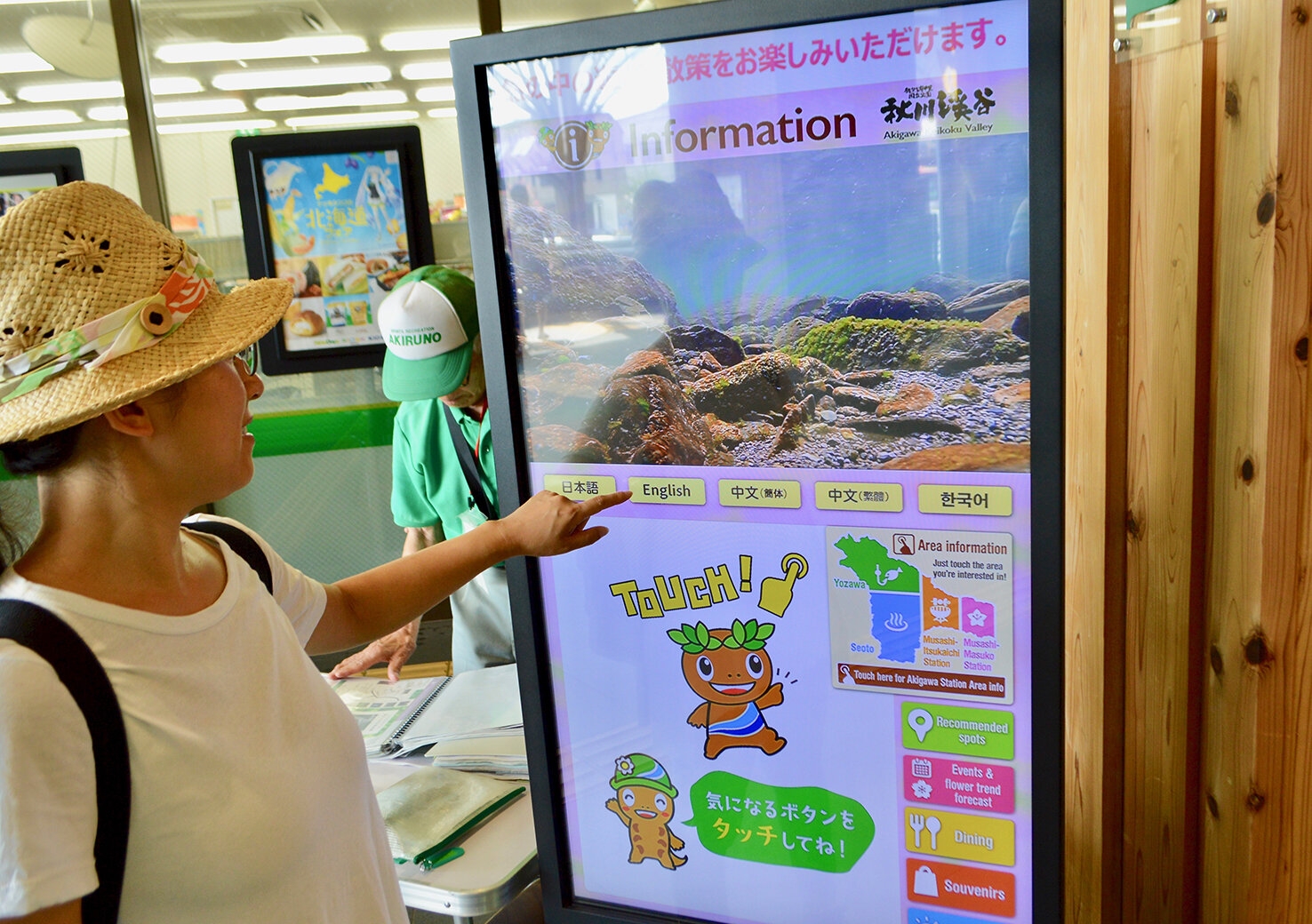
The station is well kitted out with pamphlets and a touchscreen display to help you navigate your trip. Volunteer guides from the Akiruno Tourism Association are also around to share their expert knowledge of the area with you! All the popular tourist spots are accessible on foot if you enjoy a brisk hike, and by bus or taxi if you prefer to save your energy or are traveling with children.

The Akigawa River, which flows through the valley from Chichibu Tama Kai National Park to the Tama River, offers waters and unspoiled riverbanks that are fabulous for fishing. There are also numerous areas where you can barbecue your catch without having to bring anything from home.
It is worth mentioning that Akigawa takes its name from the Japanese words for "autumn" and "river." As the trees along its banks burst into a range of rich colors late in the year, it is easy to see why that season is considered one of the best times to visit and for barbecues in the cooler weather. Still, the heat of summer makes for great swimming, so, if you really want to get back to nature and take a dip in the flowing waters, the Akigawa gorge is the ideal spot.
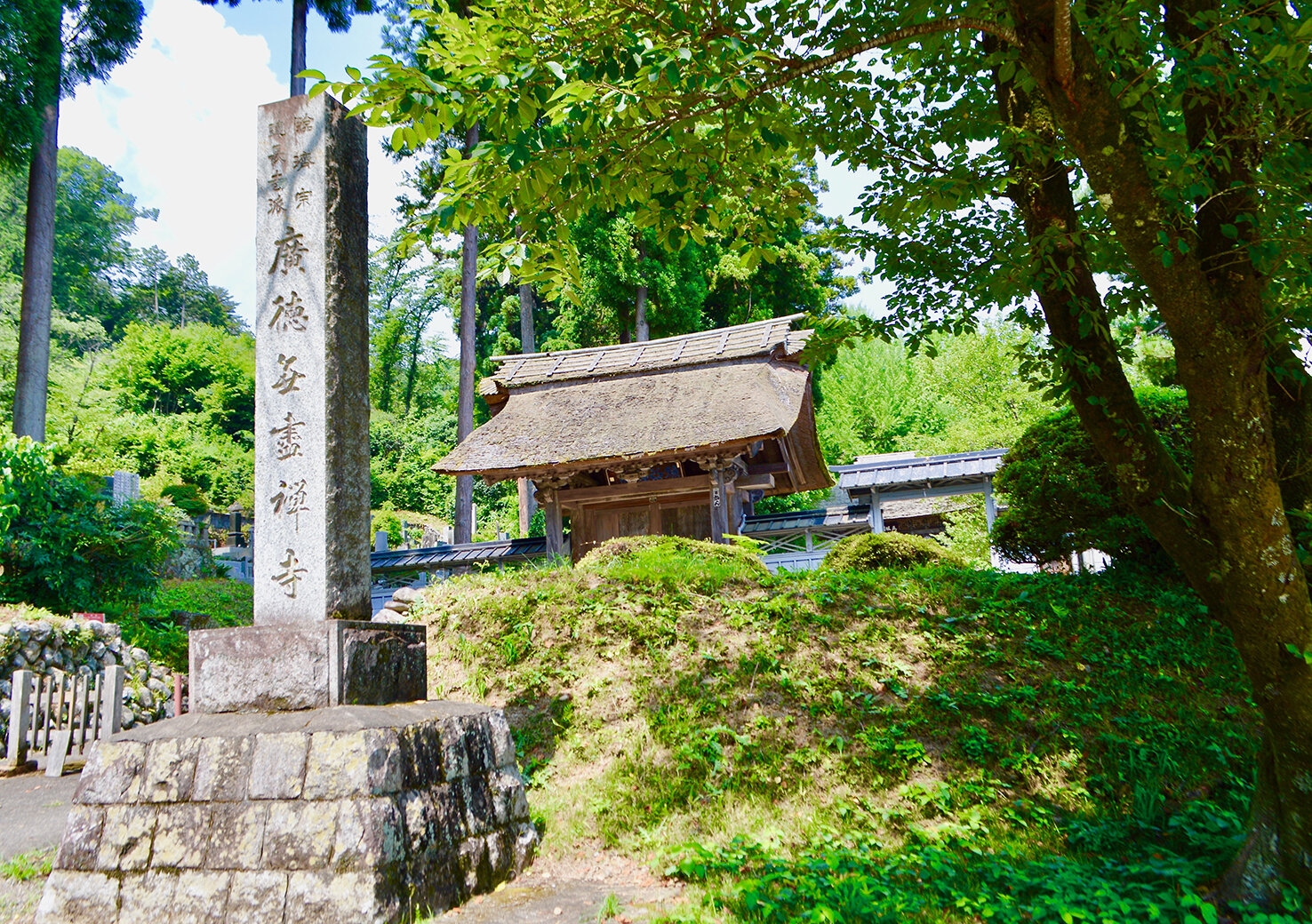
If sightseeing is more your thing, there are numerous shrines and temples to take in. I had heard good things about the distinct thatched roof of Kotoku-ji Temple, about 25 minutes on foot from the station, and it did not disappoint. Founded in 1373 for the Kencho Temple school of the Rinzai sect of zen Buddhism, the grounds also boast one of the tallest torreya trees in the metropolitan area.
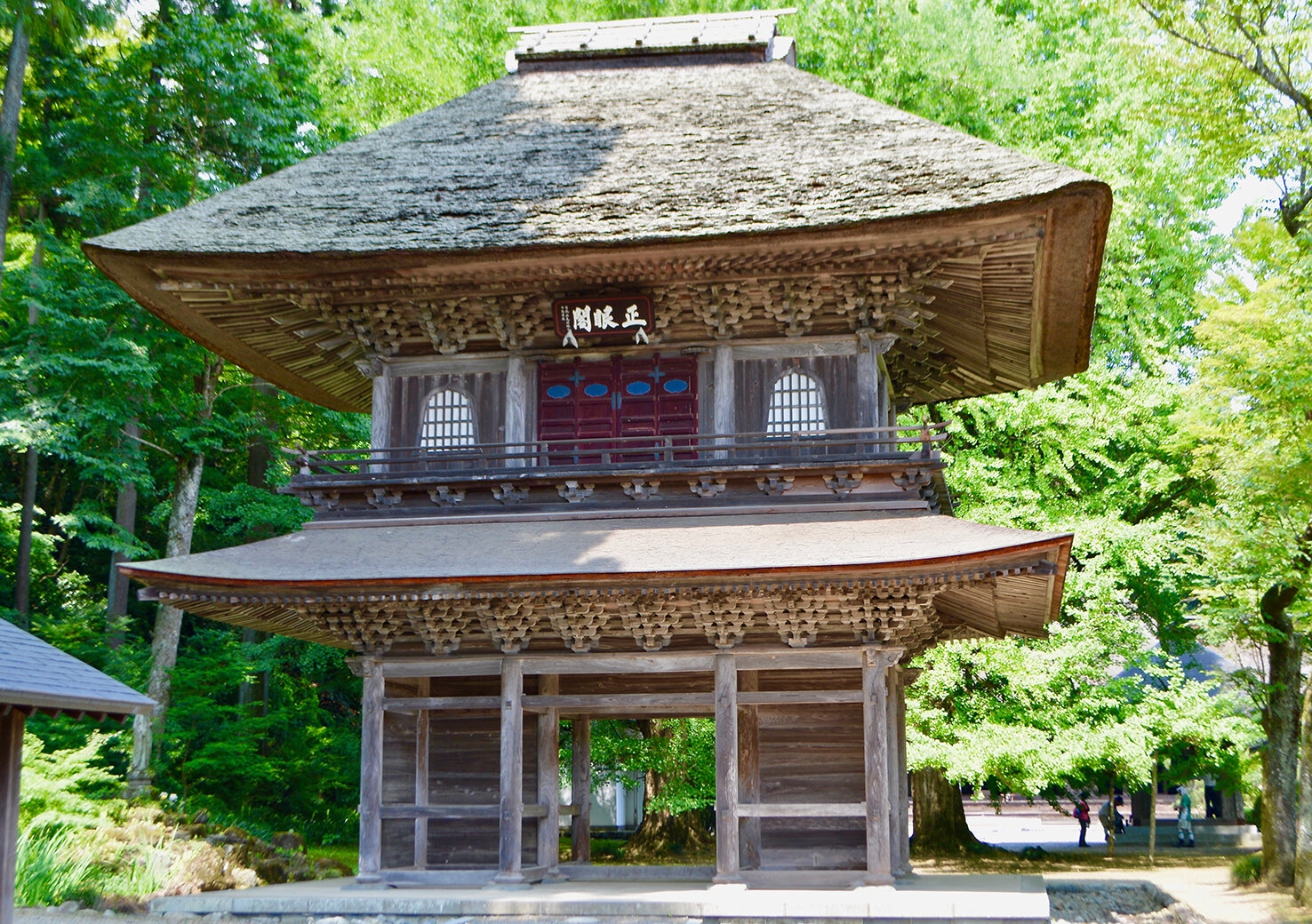
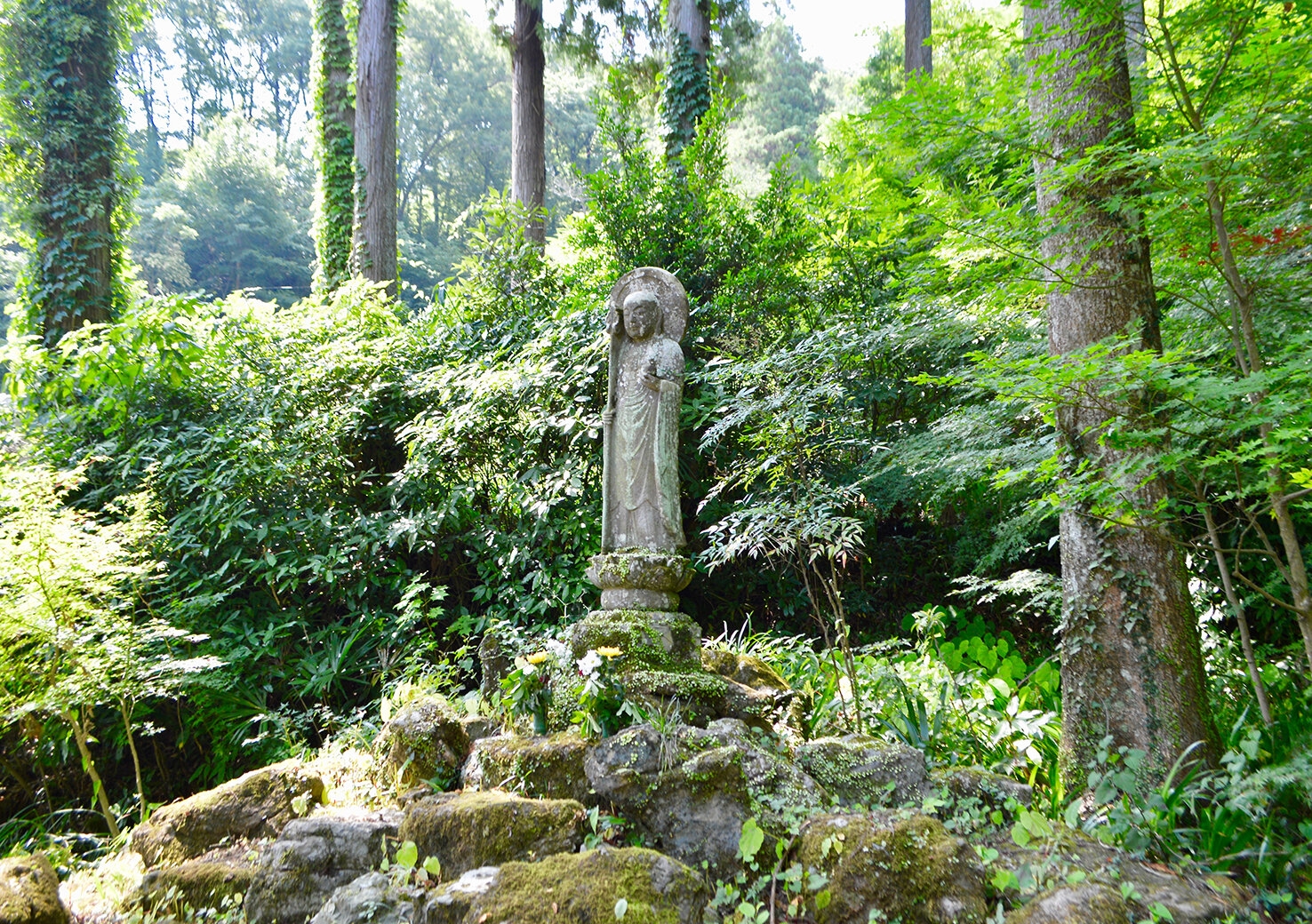
The ancient temple and its lush grounds are a feast for the senses in all four seasons, and it is easy to get lost in the sublime details. There are many more shrines and temples to explore in the area, so have fun finding your own tranquil place to take a moment and relax.
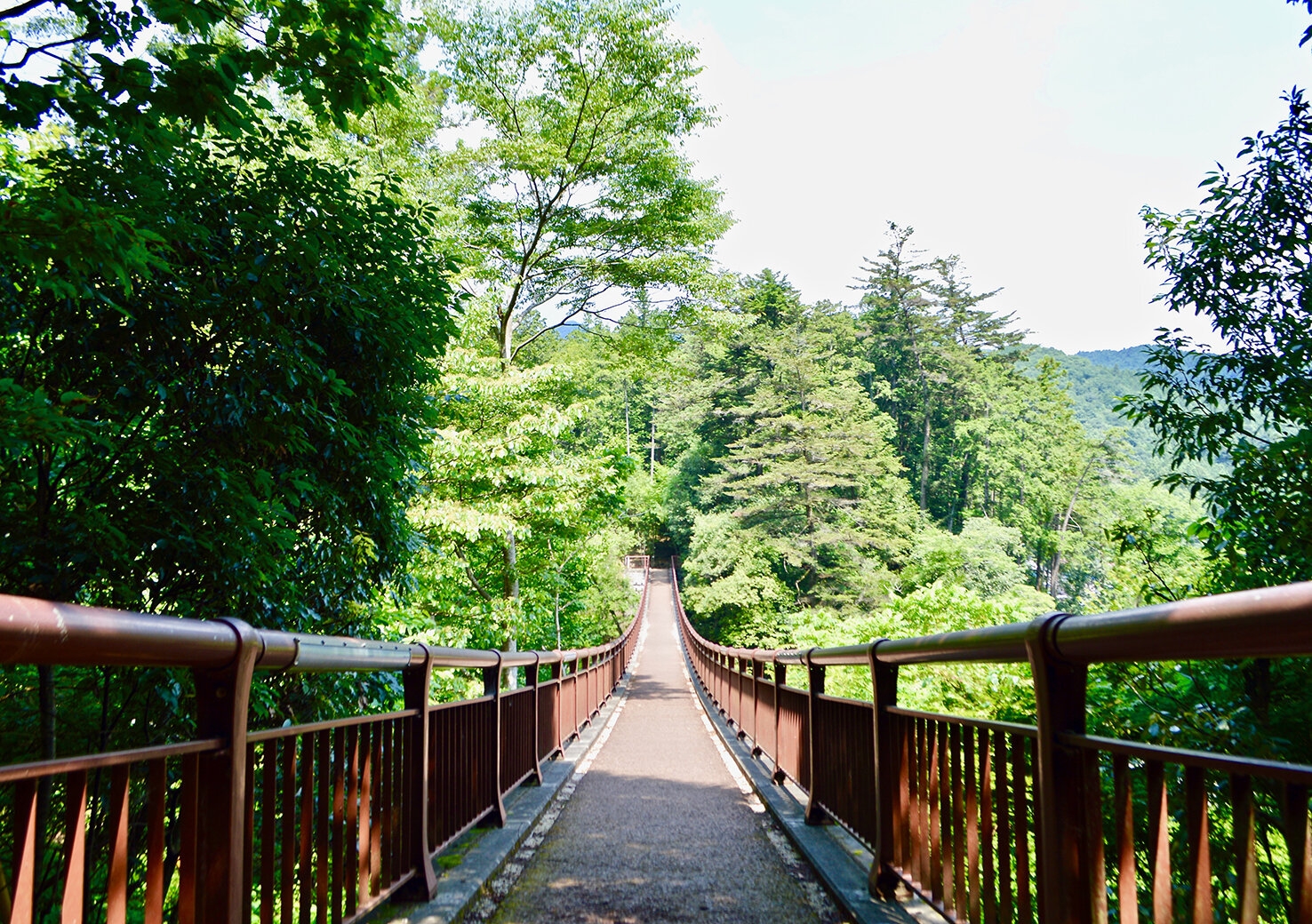
From there, be sure to include Ishibune Bridge on your route. It is a great vantage point from which to take in the scale of the Akigawa River and the surrounding mountains that block out any chance of seeing a skyscraper. High on the suspension bridge, you really will feel that you are in the great outdoors. And if you are getting tired, don't worry--it's just a short walk from the bridge to the Seoto-no-Yu Spa.
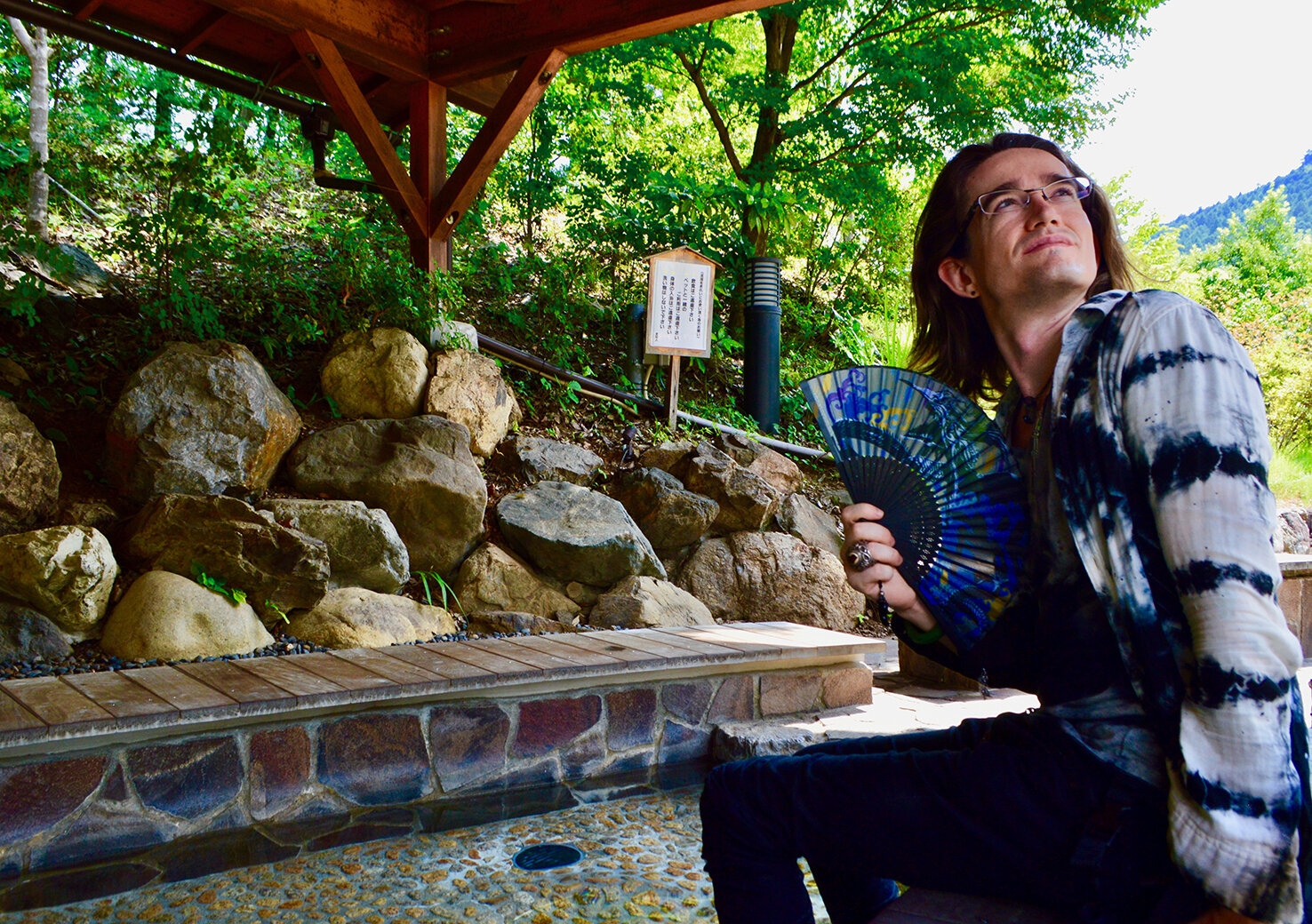
On arrival, you can rest your feet in the free foot spa in front of the main onsen (hot springs) building and feel the high-alkaline waters melt all your aches away. If you are in the mood to bathe, try the affordable onsen. They even sell towels, so you need prepare nothing in advance. Do be warned that tattoos are not permitted in the baths.
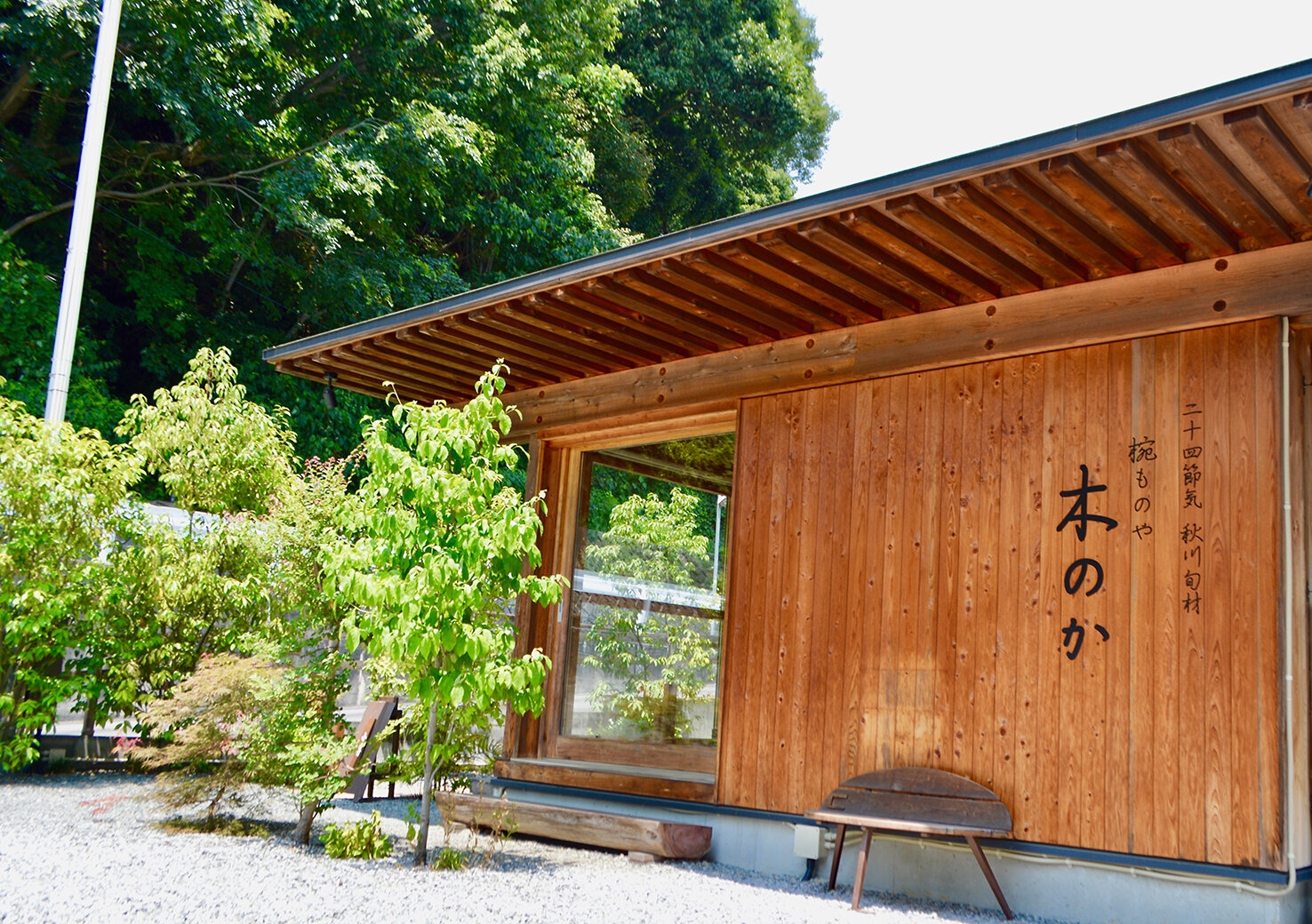
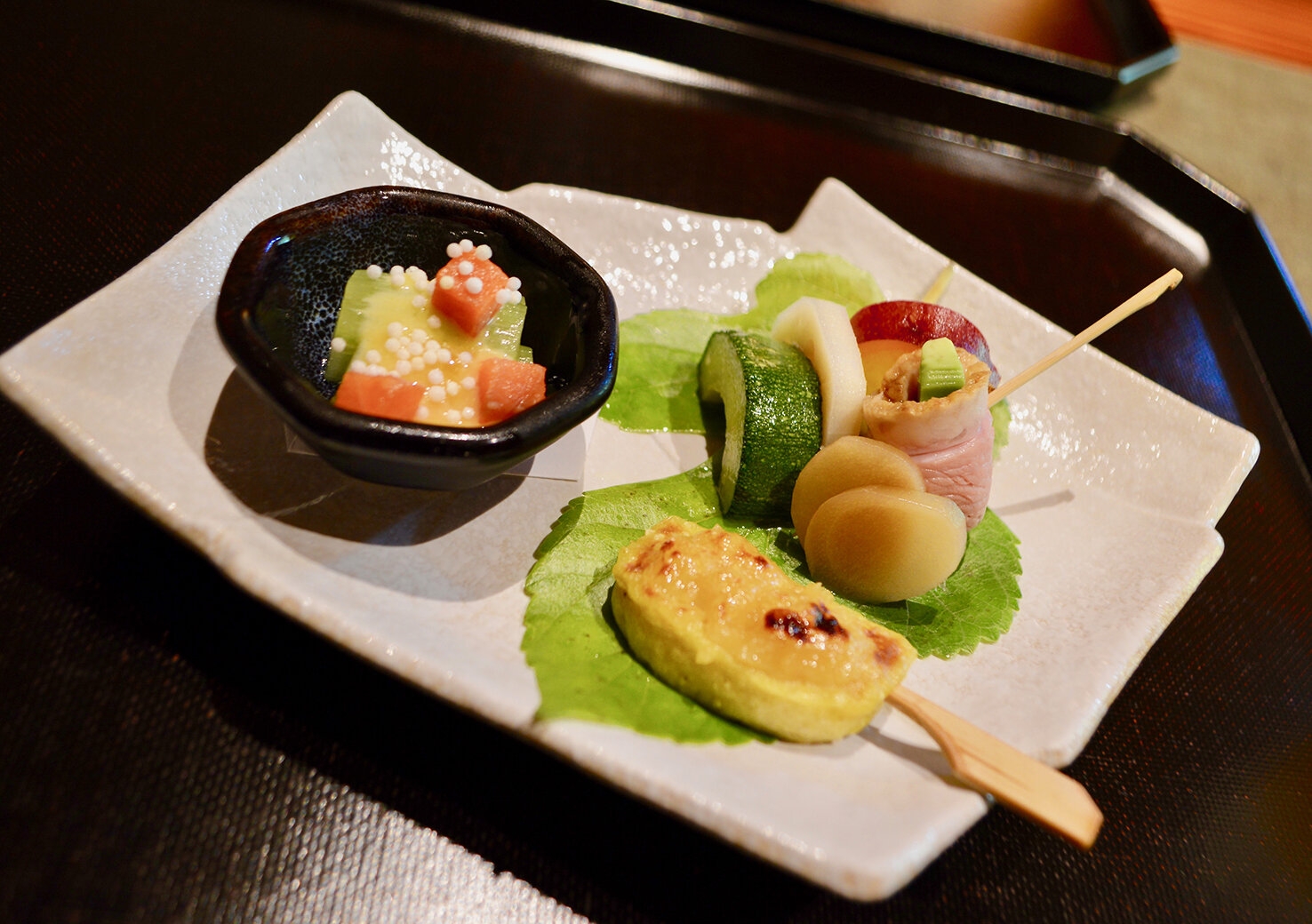
By this point, we had worked up a bit of an appetite, so we headed for Wanmonoya Konoka, a cult favorite among Tokyo foodies that's about a five-minute walk from Musashi-Itsukaichi Station. The wooden structure, built using wood from local trees, embodies the nature of the surrounding area, and the restaurant sources as much of their menu as possible from around Akigawa. The sumptuous aroma of the Tama wood pairs with the natural interior and local ingredients to leave you really feeling in touch with the area throughout your dining experience.
Read more ...
Akiruno Tourism Association home page
Onsen Akigawa Keikoku Seotonoyu Spa home page
Wanmonoya Konoka home page
(Websites available in Japanese only)
*This article was posted on the Life in Tokyo website operated by the Tokyo International Communication Committee on August 27, 2018.