


Find Your Zen in Chofu: Beyond Jindaiji Temple
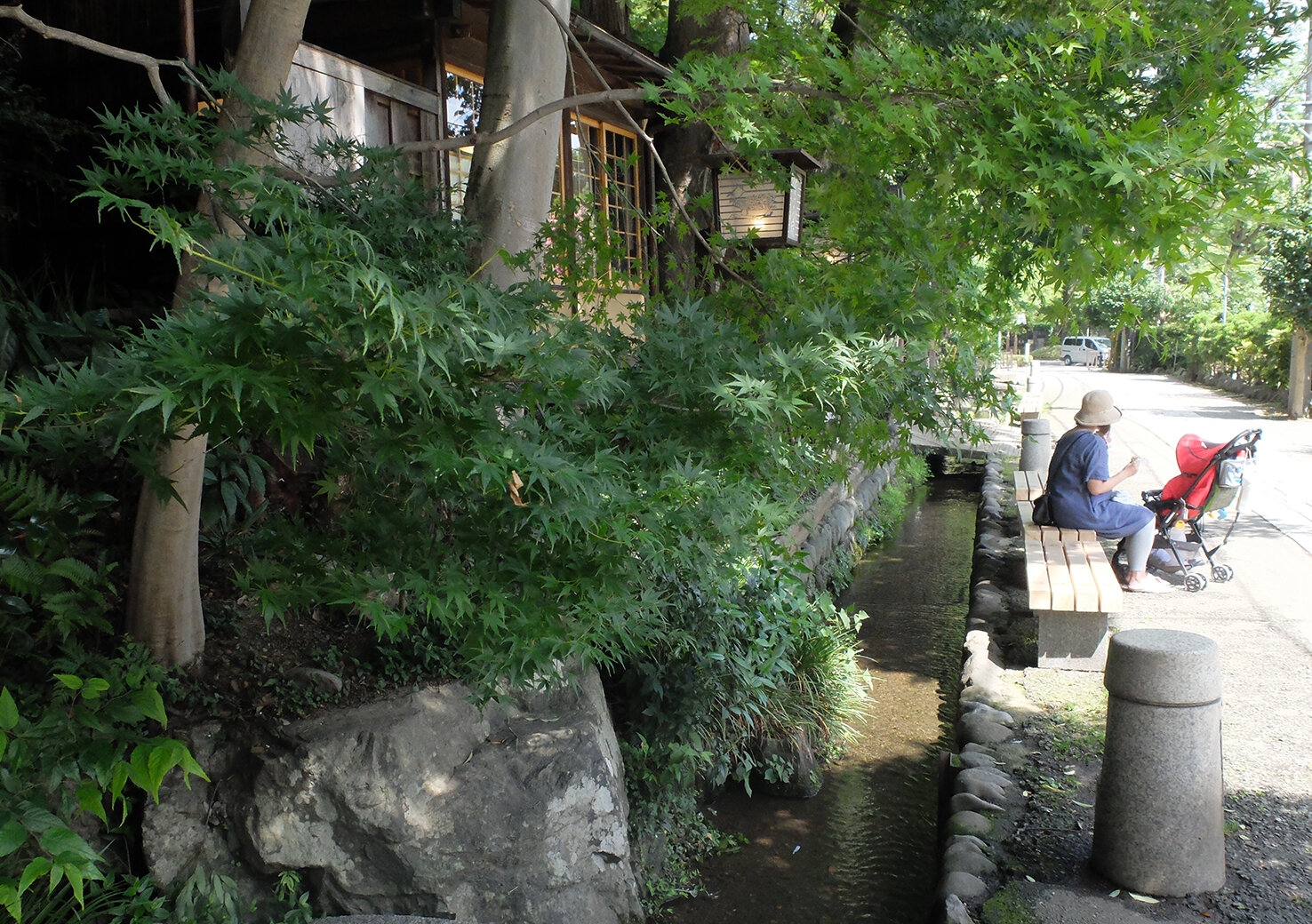
Jindaiji Temple is great for those looking to do an off-the-beaten-track day trip in Tokyo. The number of international visitors is relatively low despite the temple's potential to become the next tourist hotspot.
It is the city's second oldest temple after Sensoji in Asakusa. Yet, the environment and atmosphere of each is vastly different. While Sensoji is located in the middle of a dense urban jungle, Jindaiji is surrounded by lush greenery and streams of spring water. The latter is located in a quiet suburb so it is also well worth exploring. Within walking distance from Jindaiji's compound are dozens of local buckwheat soba shops, Jindai Botanical Gardens, and a long-established pottery studio. Although tucked away in Chofu City, western Tokyo, frequent public transportation services can take you to Jindaiji in about an hour from anywhere in the center of Tokyo.
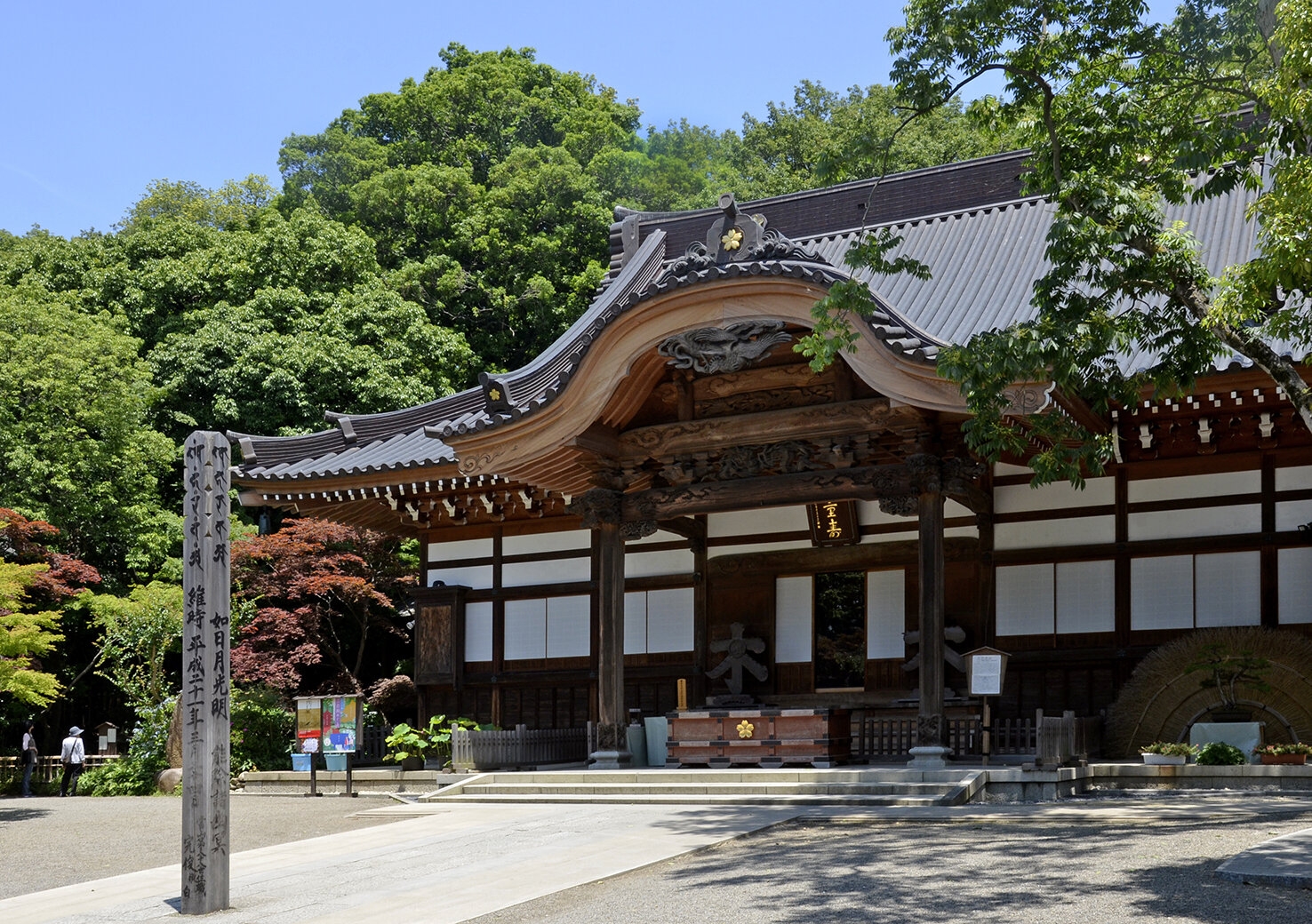
Hop off the bus and follow the scent of incense and you should arrive in front of the temple's Main Hall. It was reconstructed in 1919, in the Taisho Period, after the original building was nearly destroyed by fire in 1865. To the west side of the Main Hall is the Ganzandaishi Hall, which has enshrined a wooden statue of a monk, known as Ganzandaishi, since 991, in the Heian Period. Worshipped for driving evil spirits away, he is often portrayed with two horns on his head or in the form of 33 small Buddhas. Inside the dimmed hall, however, there is no statue in sight as it is displayed to the public only once every 25 years. The next showing is scheduled for 2034.
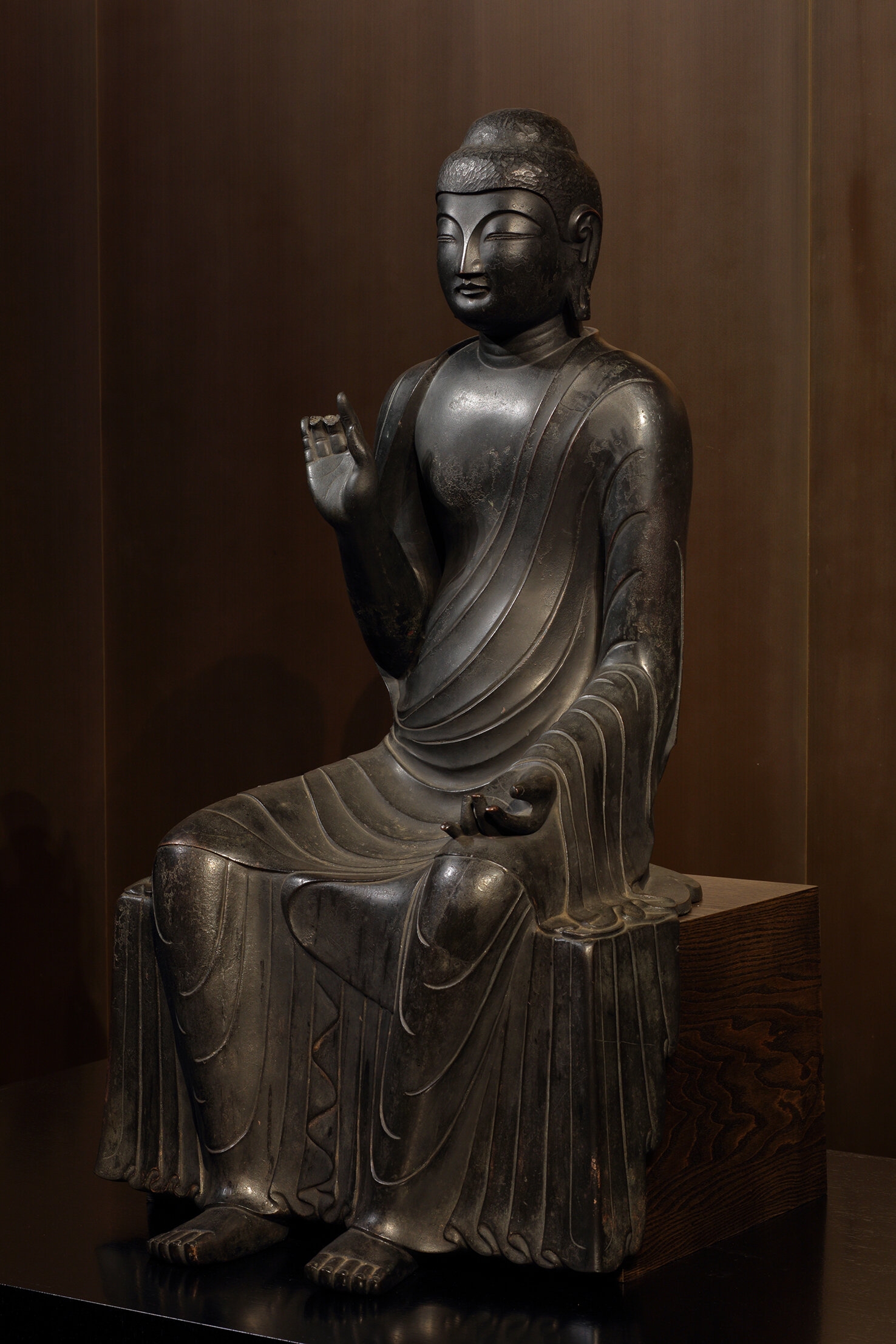
The temple is also famous for housing Hakuho Buddha, a bronze statue venerated in the Shaka Hall. It is said to have been made in the late Asuka Period (592-710). Its importance was once forgotten in the aftermath of the fire accident in 1865 but it was later recognized and designated as a national treasure, in 2017.
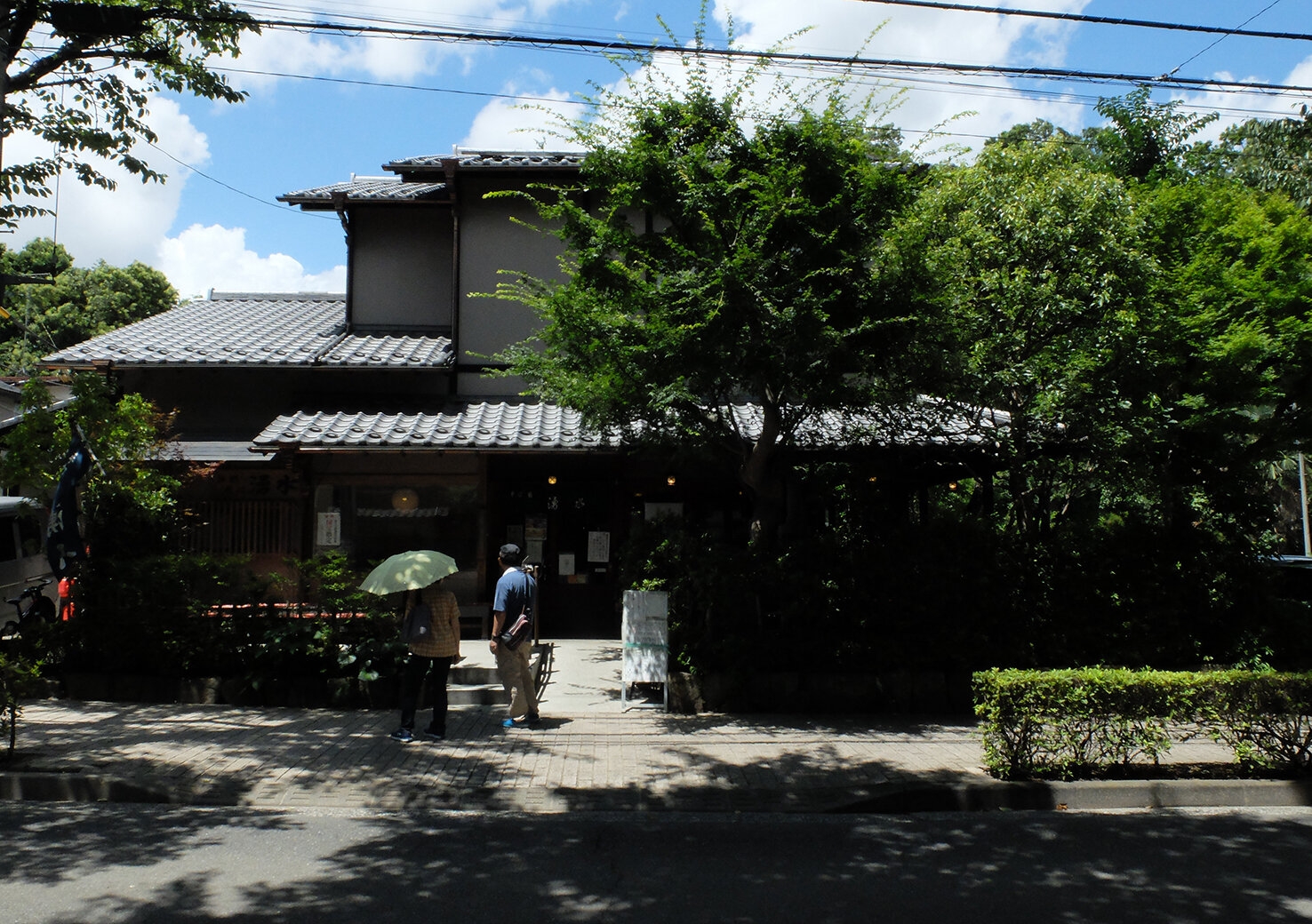
What most Japanese people associate with Jindaiji Temple is "Jindaiji soba (buckwheat)." It is said that the soil and spring water around the temple were ideal for growing buckwheat. But, after vast farmlands were used to create Jindai Botanical Garden, in 1961, local farmers opened soba restaurants to serve visitors to the gardens. Today, there are over 20 buckwheat soba shops in traditional Japanese-style wooden buildings that line the leafy streets outside the temple's main gate known as Sanmon.
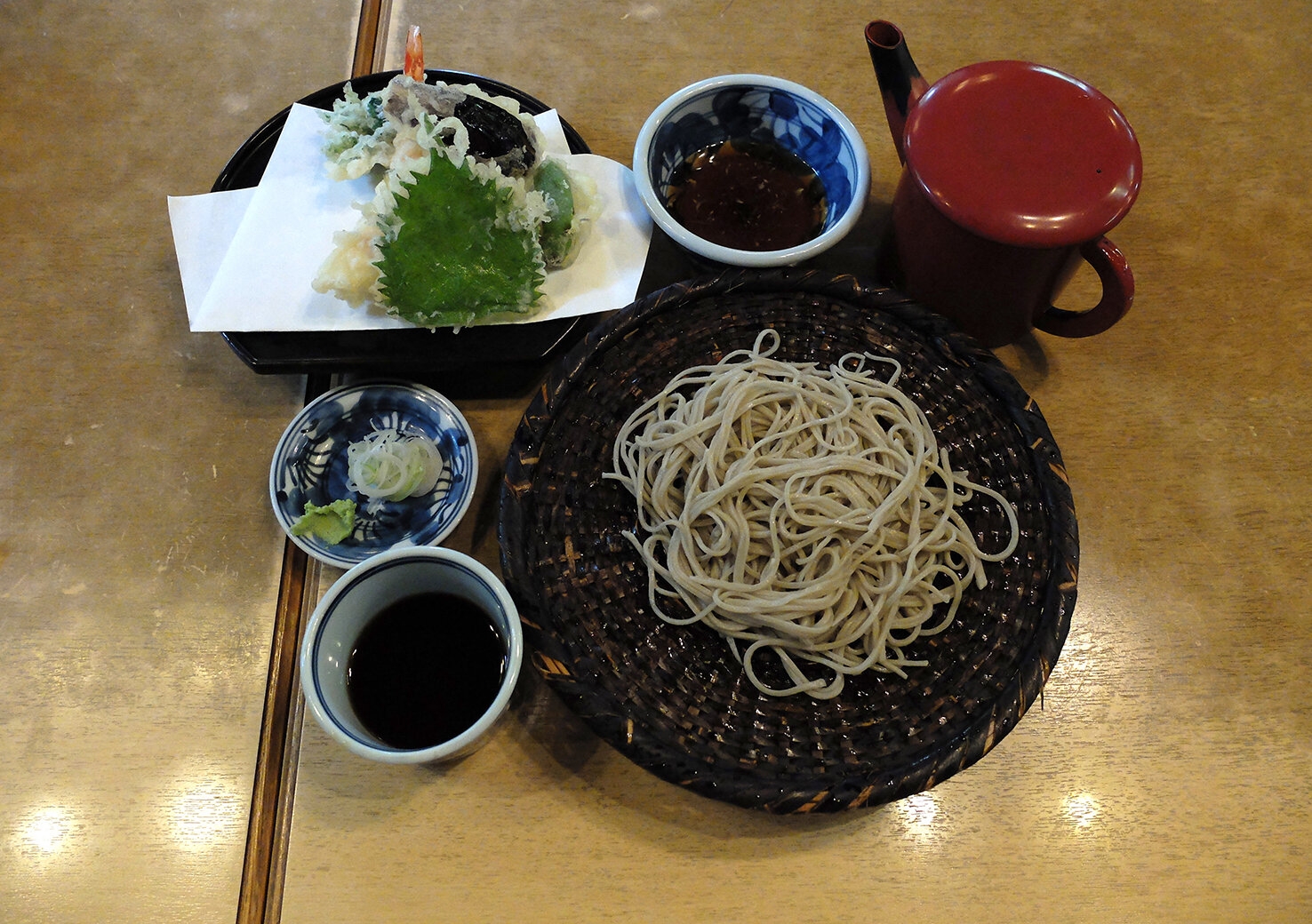
One of the newer but most popular soba restaurants in the Jindaiji area is Yusui, which opened in 1994. The family-owned soba restaurant serves handmade soba from organic buckwheat. Try its specialty, Yusui tenmori (cold soba with tempura of vegetables and shrimp), and its original soba-yokan. This is a three-layered jellied dessert made with a layer of gelatinized sobayu (opaque water used to boil soba noodles), a layer of red-bean paste, and a layer of sobayu mixed with soba powder, which is rich in rutin. Only slightly sweet, it is a healthy dessert.
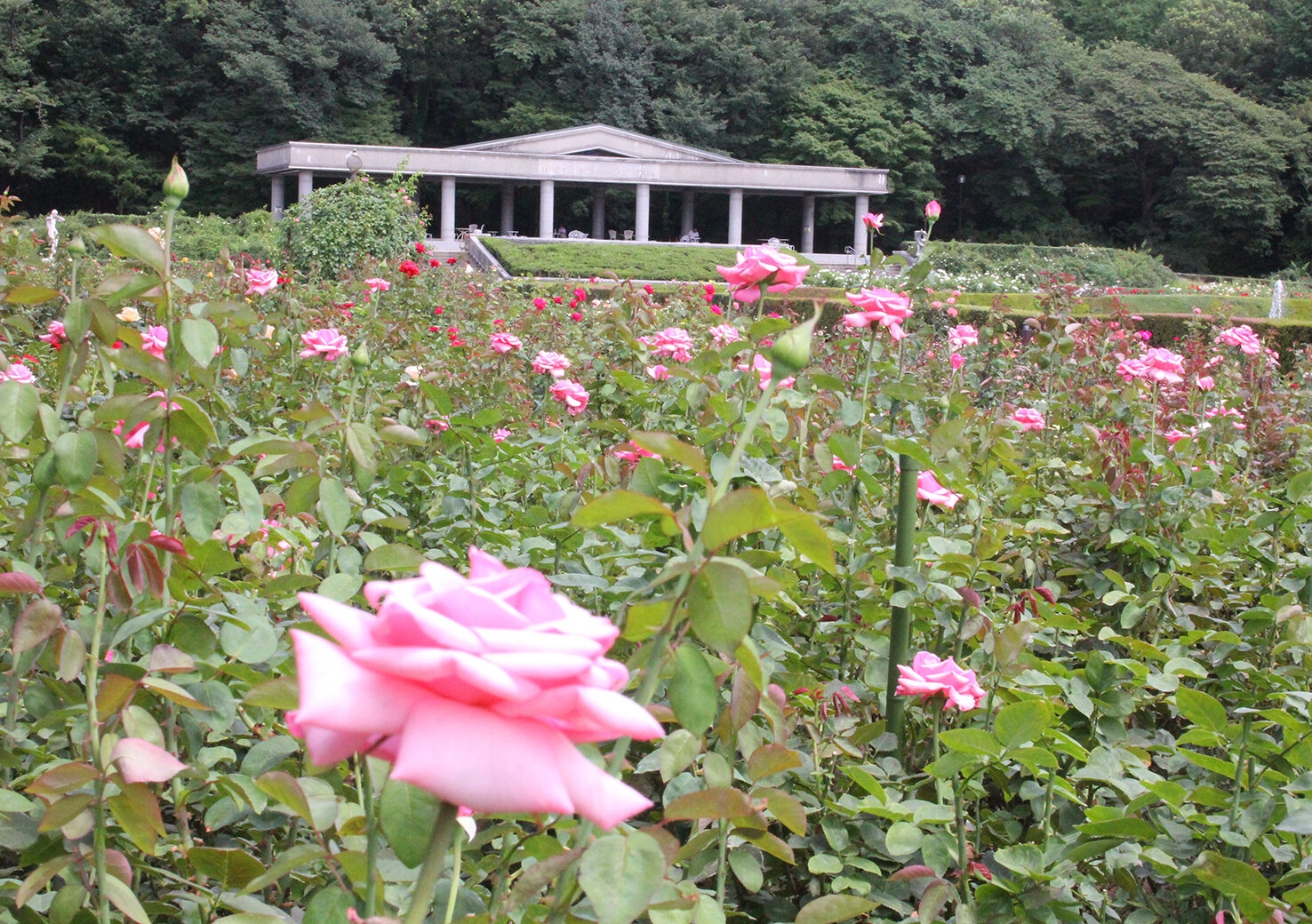
Jindai Botanical Gardens, the largest of its kind in Tokyo, lies adjacent to the temple on its north side. The botanical park supports about 100,000 plants of 4,800 species and is divided into 30 areas by plant species. It can be enjoyed throughout the year, with seasonal events featuring various flowers, such as plum and sakura (cherry blossom) in the spring, and chrysanthemum in autumn. The park is particularly known for hosting rose festivals that boast approximately 5,200 rose bushes of 400 varieties, attracting many visitors every year in mid-May and mid-October.
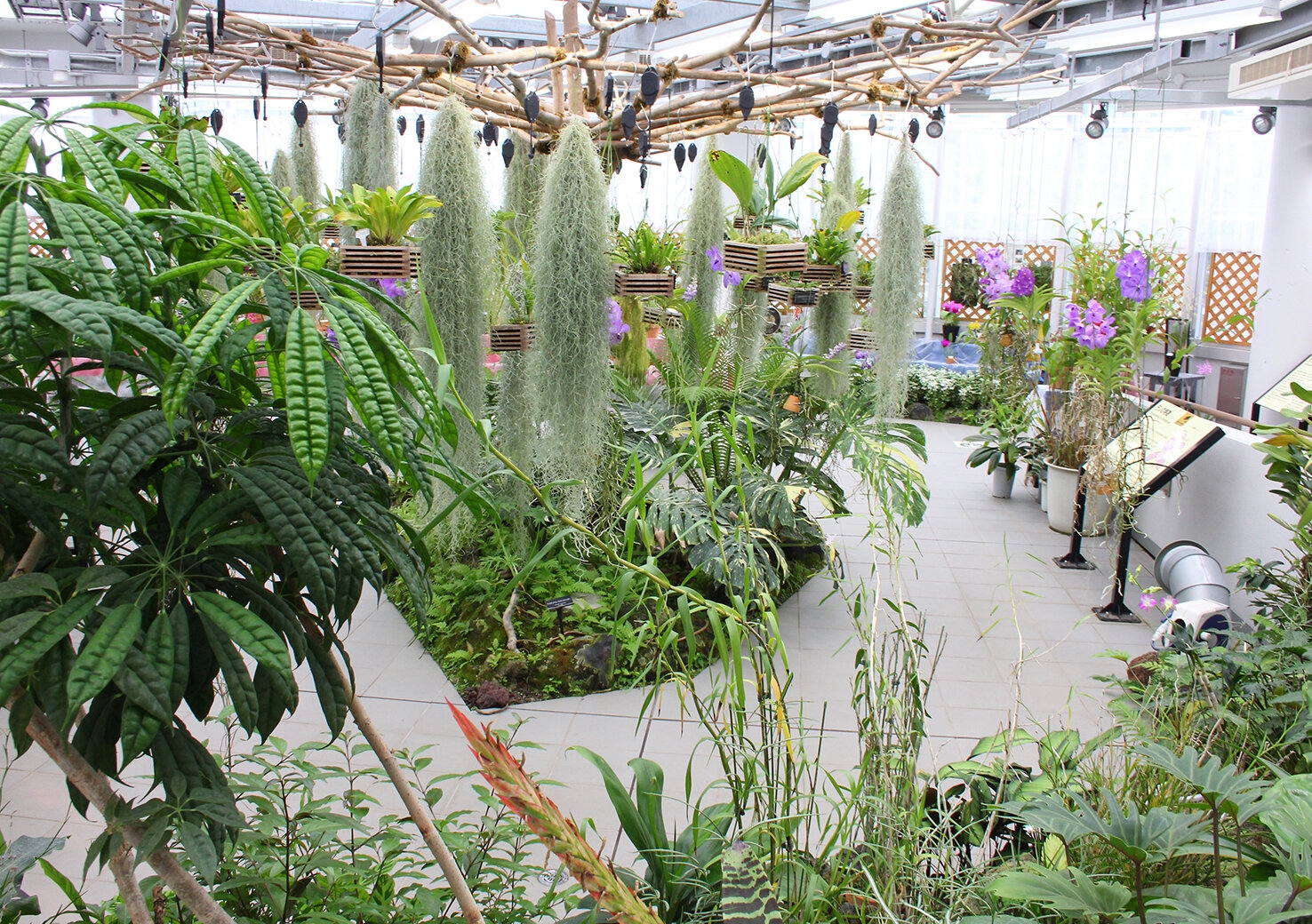
Flowers can be observed during the winter too, as the botanical garden contains a large greenhouse with multiple rooms for various unusual tropical and subtropical plants including tropical water lilies, cacti, and orchids, to name just a few.
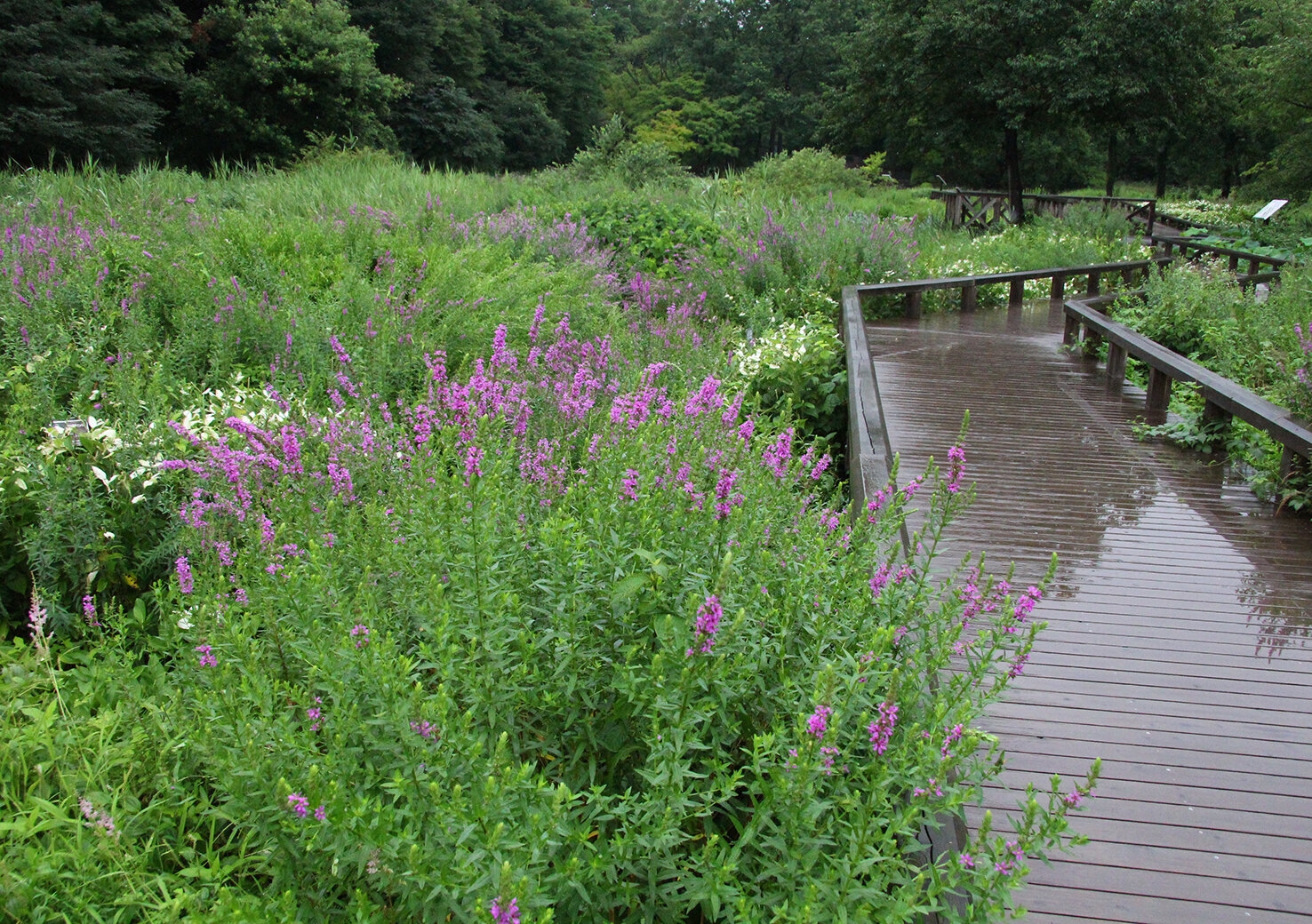
The aquatic plants garden that contains the ruins of Jindaiji Castle is formed from spring water that flows around the temple's compound. It forms a marsh that is an ideal environment for plants such as reed, Indian rice, water iris, and lily. This garden is separated from the main garden and located south of Jindaiji Temple.
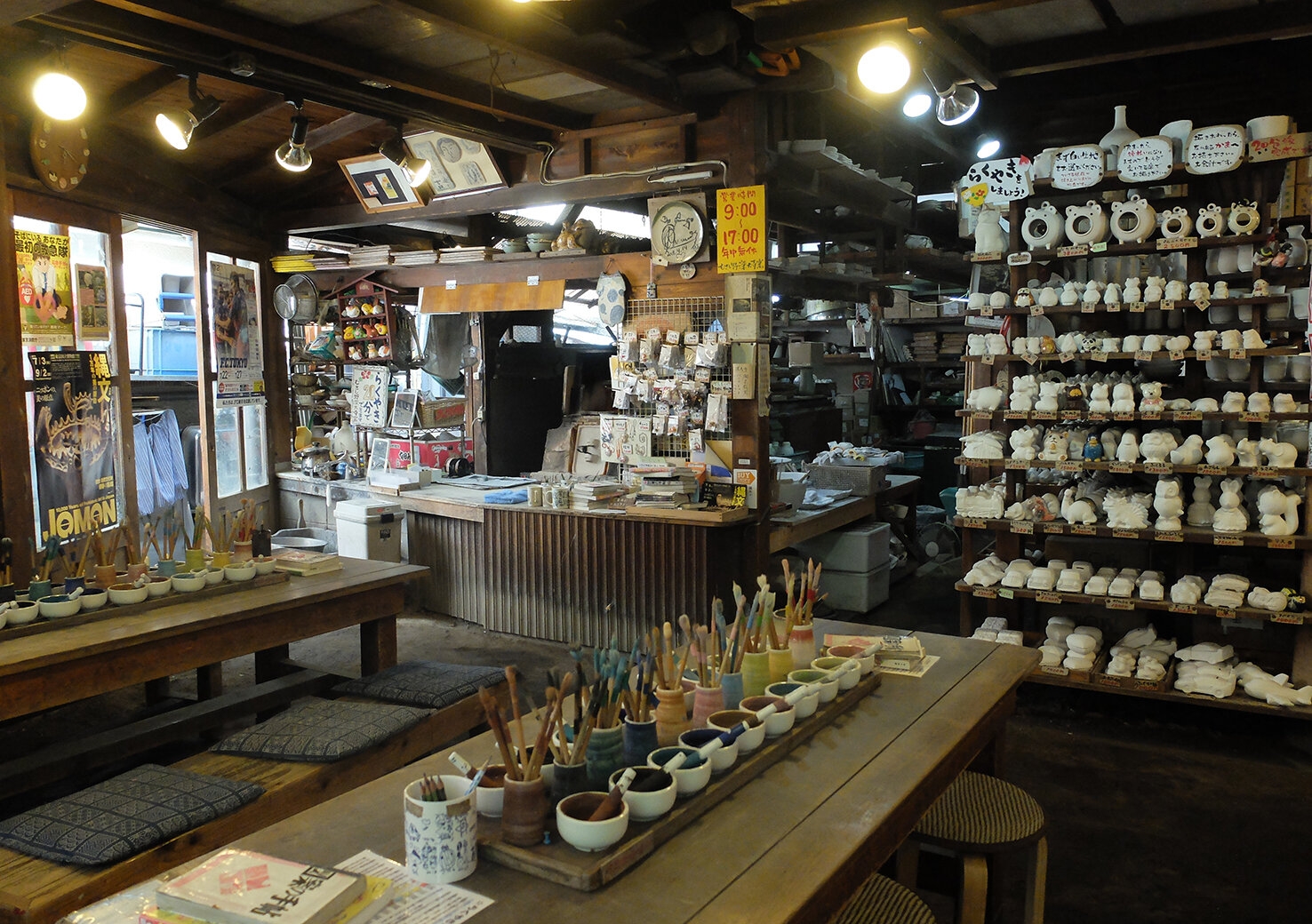
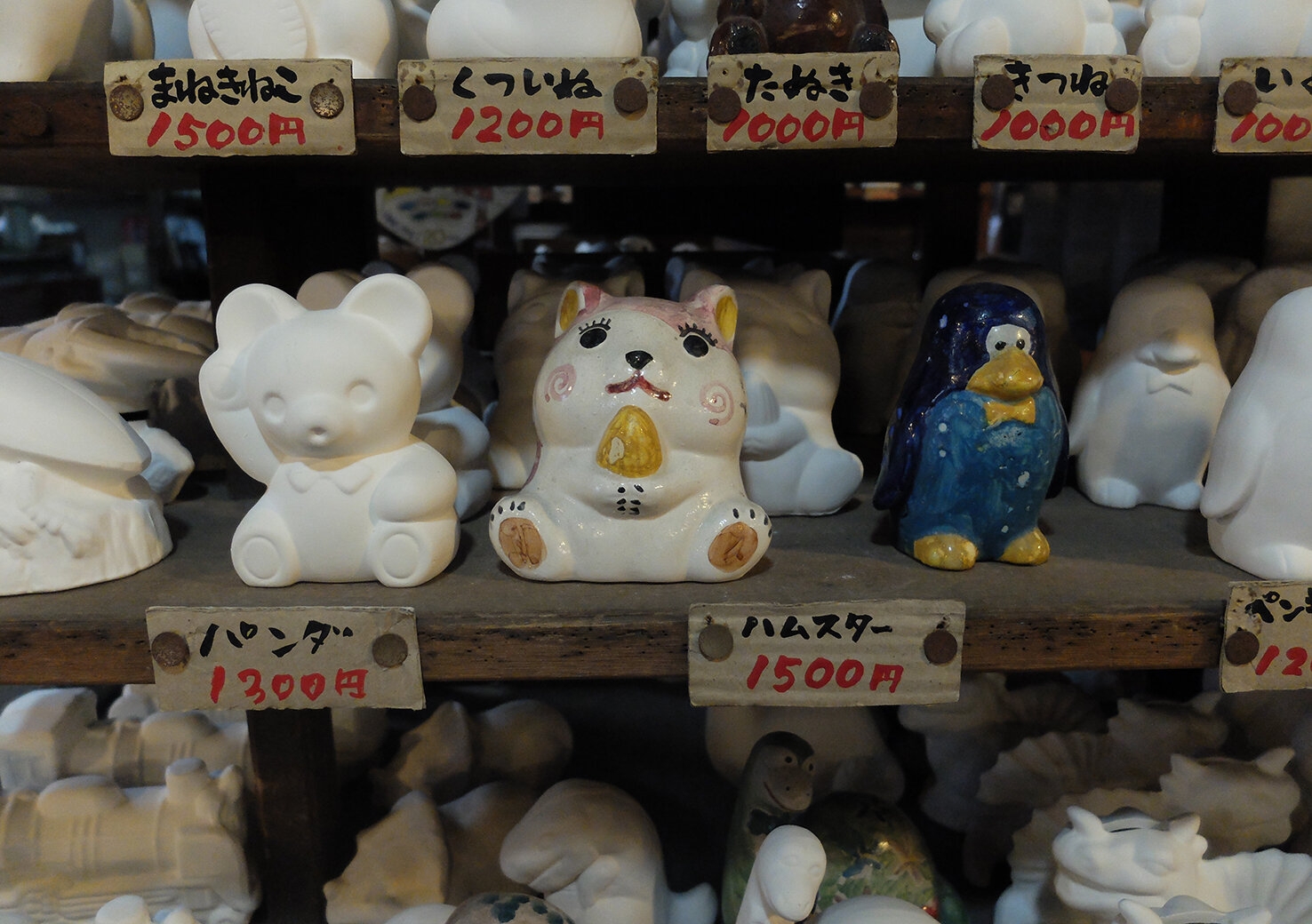
For souvenir shopping, a pottery shop established in 1957 called Musashino Jindaiji-gama offers reasonably priced ceramic goods. You can also choose from three types of pottery experience, to make an original ceramic piece, whether a plate, cup, vase, or figurine. The fastest and easiest item to make is rakuyaki. Select your favorite item from over 100 unglazed pottery items, paint it, and wait 20 minutes for it be fired in a kiln. If you are not pressed for time and want to make a more durable piece, go for honyaki. The piece can be ready in about a week and shipped to an address in Japan. Alternately, choose tebineri. You can build your own piece by hand with clay and choose to add color before it gets fired. It takes about one month before shipment. The price varies according to the options chosen but making a one-of-a-kind souvenir from your time in the neighborhood is priceless.
Jindaiji Temple
Location: 5-15-1 Jindaiji Motomachi, Chofu City
Access: There are buses departing from Chofu Station, Tsutsujigaoka Station, Kichijoji Station, and Mitaka Station
Open hours: 9:00-17:00
Admission: free (¥300 is required to see Hakuho Buddha)
Tel: 042-486-5511
Website: www.jindaiji.or.jp
Yusui
Location: 5-9-1 Jindaiji Motomachi, Chofu City
Business hours: 10:30-17:00
Closed: Thursday
Tel: 042-498-1323
Website (Japanese): www.yusui.co.jp
Jindai Botanical Gardens
Location: 2 Jindaiji Motomachi, 5 Jindaiji Motomachi, 1 Jindaiji Kitamachi, 2 Jindaiji Kitamachi, 4 Jindaiji Minamimachi, 5 Jindaiji Minami, Chofu City
Open hours: 9:00-17:00, last entry is 16:00
Closed: Monday (closed on the following day if it is a national holiday) and over New Year (December 29-January 1)
Admission: General: ¥500 (group: ¥400 each)
Aged 65 and over: ¥250 (group: ¥200 each)
Junior high students: ¥200 (group: ¥160 each)
Free for junior high students residing or attending a school in Tokyo and all elementary school students.
Free admission for everyone on October 1, 2018 (Tokyo Citizens' Day).
Tel: 042-483-2300
Website (Japanese): www.tokyo-park.or.jp/park/format/index045.html
Musashino Jindaijigama
Location: 5-13-6 Jindaiji Motomachi, Chofu City, Tokyo, 182-0017
Business hours: 11am-5pm/weekday, 10am-5pm/weekend (pottery experience ends at 4pm)
Tel: 042-483-7441
Website (Japanese): http://jindaijigama.com
*This article was posted on the Life in Tokyo website operated by the Tokyo International Communication Committee on August 13, 2018. (Last updated on March 13, 2026)