


Experience the Fun of Edo-era Engei at the Edo-Tokyo Museum!

Living in Tokyo, you can still see the engei, traditional performing arts at local festivals and events. It is clear that, while traditional, they are still as alive and part of the city as they were when Tokyo was known as Edo (1603-1868). Even so, opportunities to experience engei can be few and far between so it is important to take every chance to experience them for yourself!
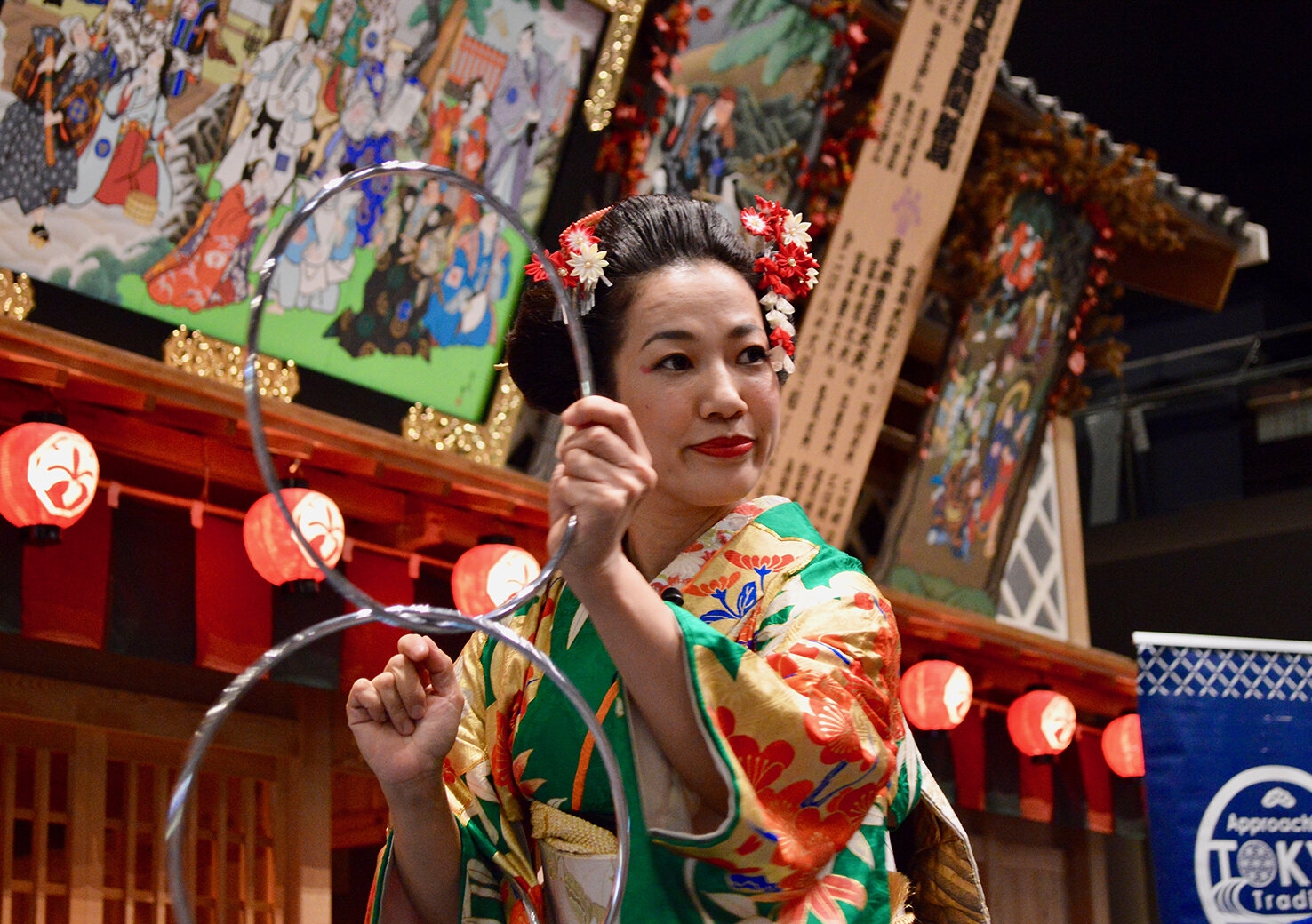
Thankfully, Edo-Tokyo Museum in Ryogoku showcases traditional engei performing arts to audiences. Every Saturday until the end of March 2019 (except December 29th), you can experience a live performance of three kinds of these arts as part of your visit to the museum. You don't even need to reserve in advance; there are three performances per day so you can pop along whenever you like. Also, the performances are bilingual so there is nothing stopping you from getting involved in the action.
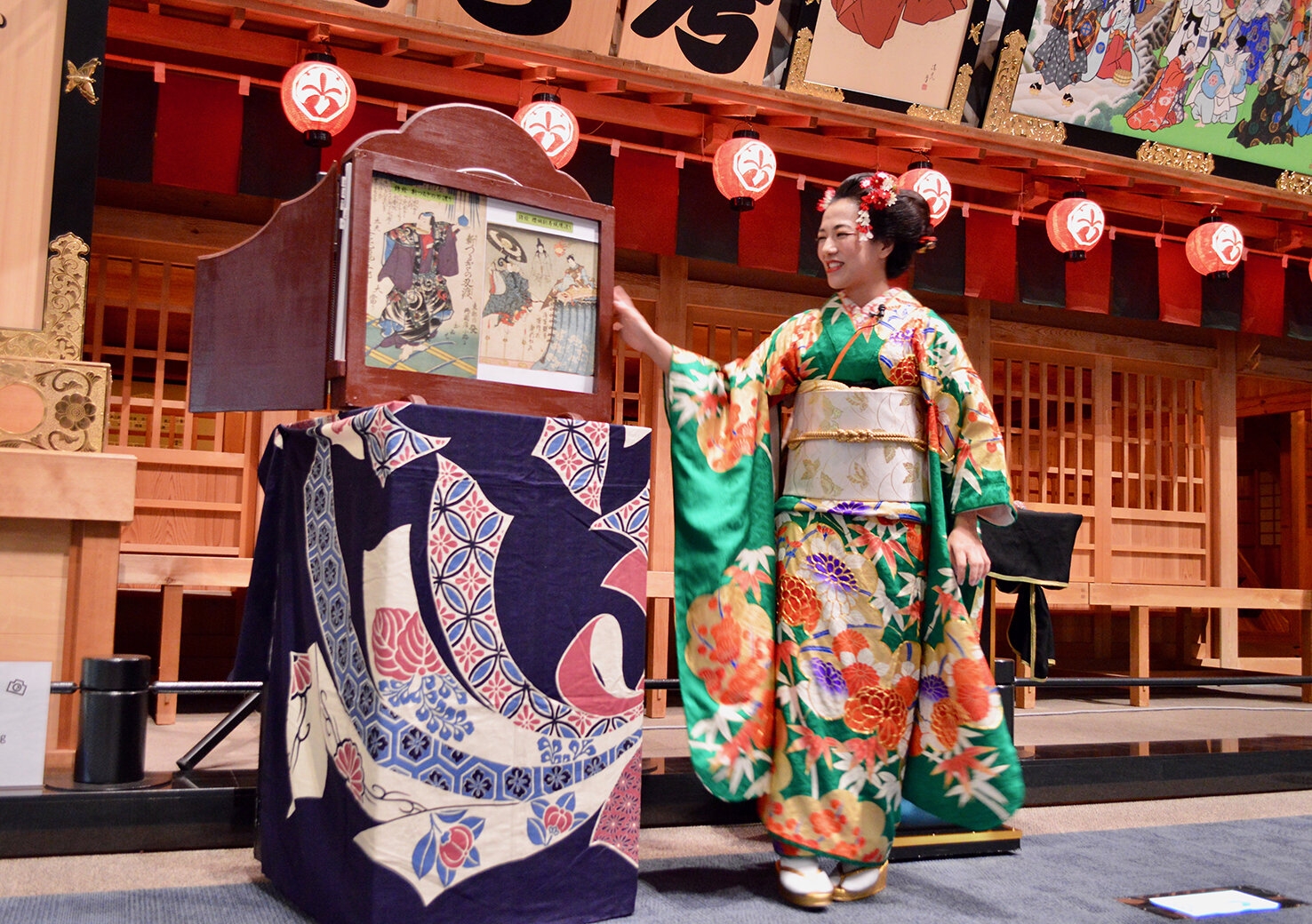
On my visit, I was treated to a performance by KYOKO, a contemporary practitioner of traditional Japanese magic or wazuma. Her mixture of buyo (classical dance) and magic, which has been passed down by Japanese magicians for generations, was instantly captivating as it was so different from the magic I was used to seeing. But, more than a cultural experience, it was a lot of fun. Viewers young and old laughed along before being wowed by the magic tricks that have had audiences gasping since the Edo Era.
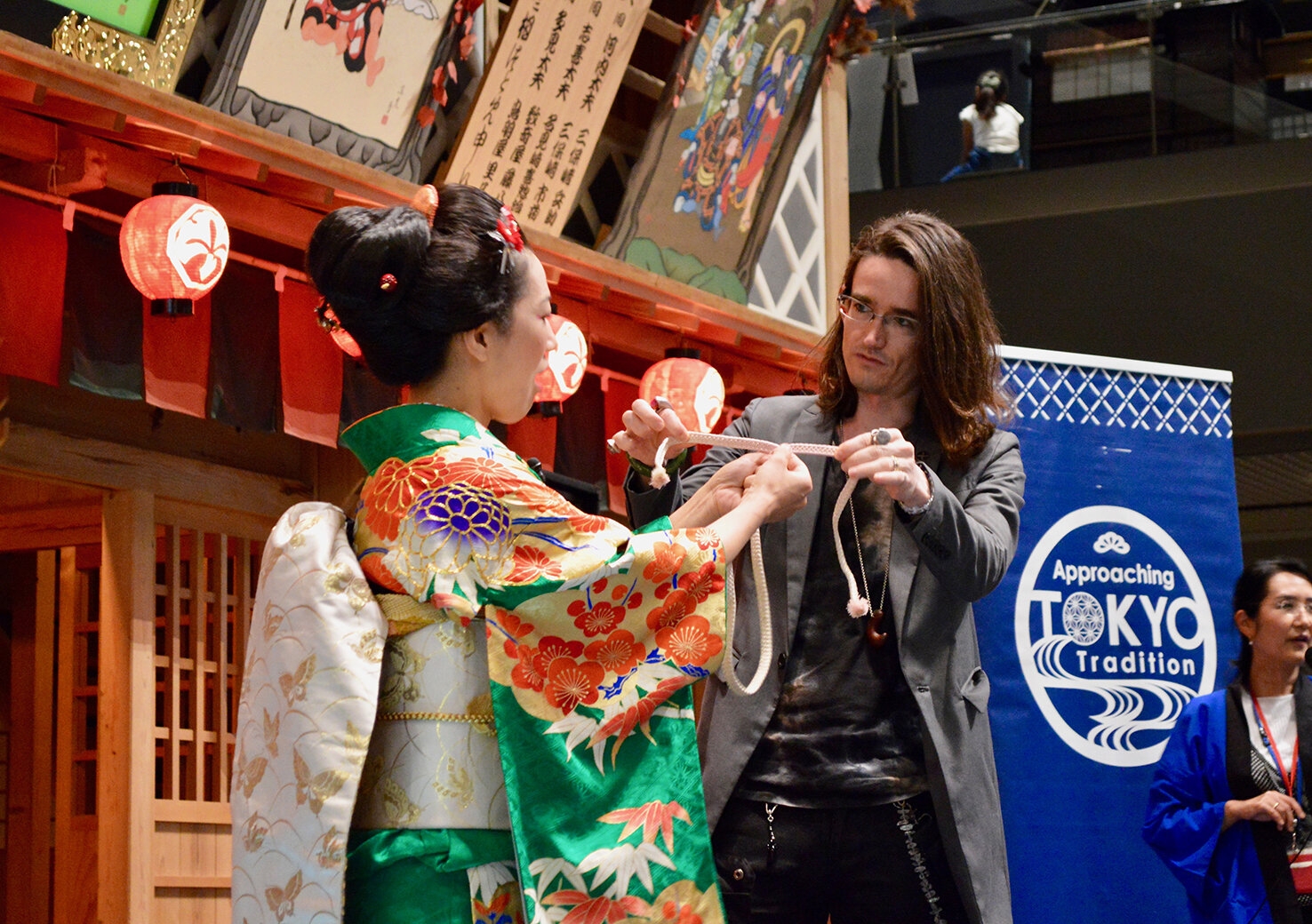
Young children and adults who experienced close-up KYOKO's magical world were equally baffled by the magic. Even when brought up on stage to participate in a trick, members of the audience, including myself, couldn't spot the sleight of hand.
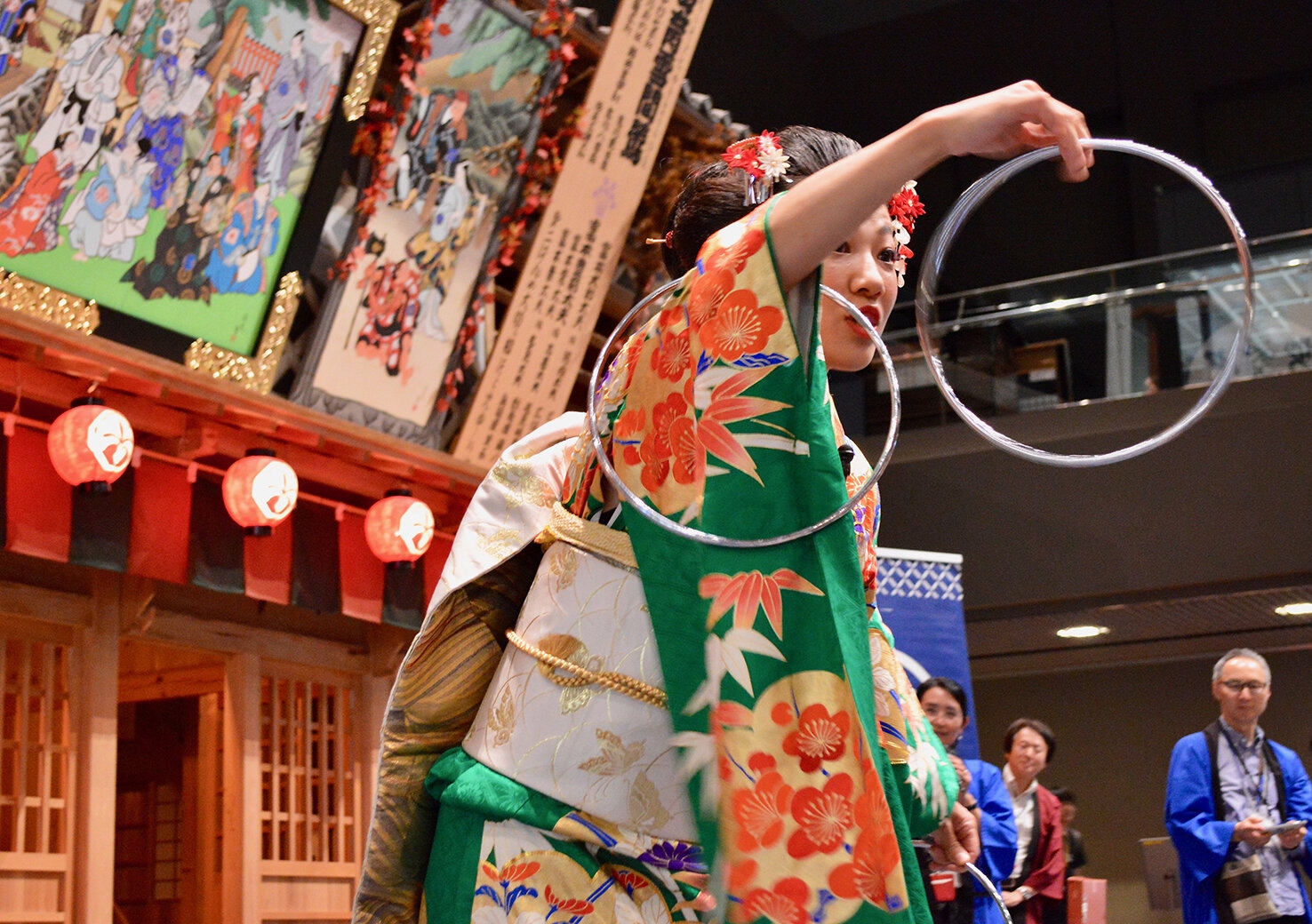
However, KYOKO then invited the audience to learn a couple of her secrets, so that we could all become an ambassador for engei and show off our newfound magical powers. But to learn the tricks of the trade for yourself you will have to attend a performance. While you are enjoying the experience, you can find out more about the history of Japanese magic. In the recreated kabuki theater of the Edo-Tokyo Museum, you really feel that you are enjoying the traditional performing arts of Edo. Ultimately, the true magic is that, while the culture of the Japanese performance feels so different, you can enjoy it all the same, no matter your nationality or age.
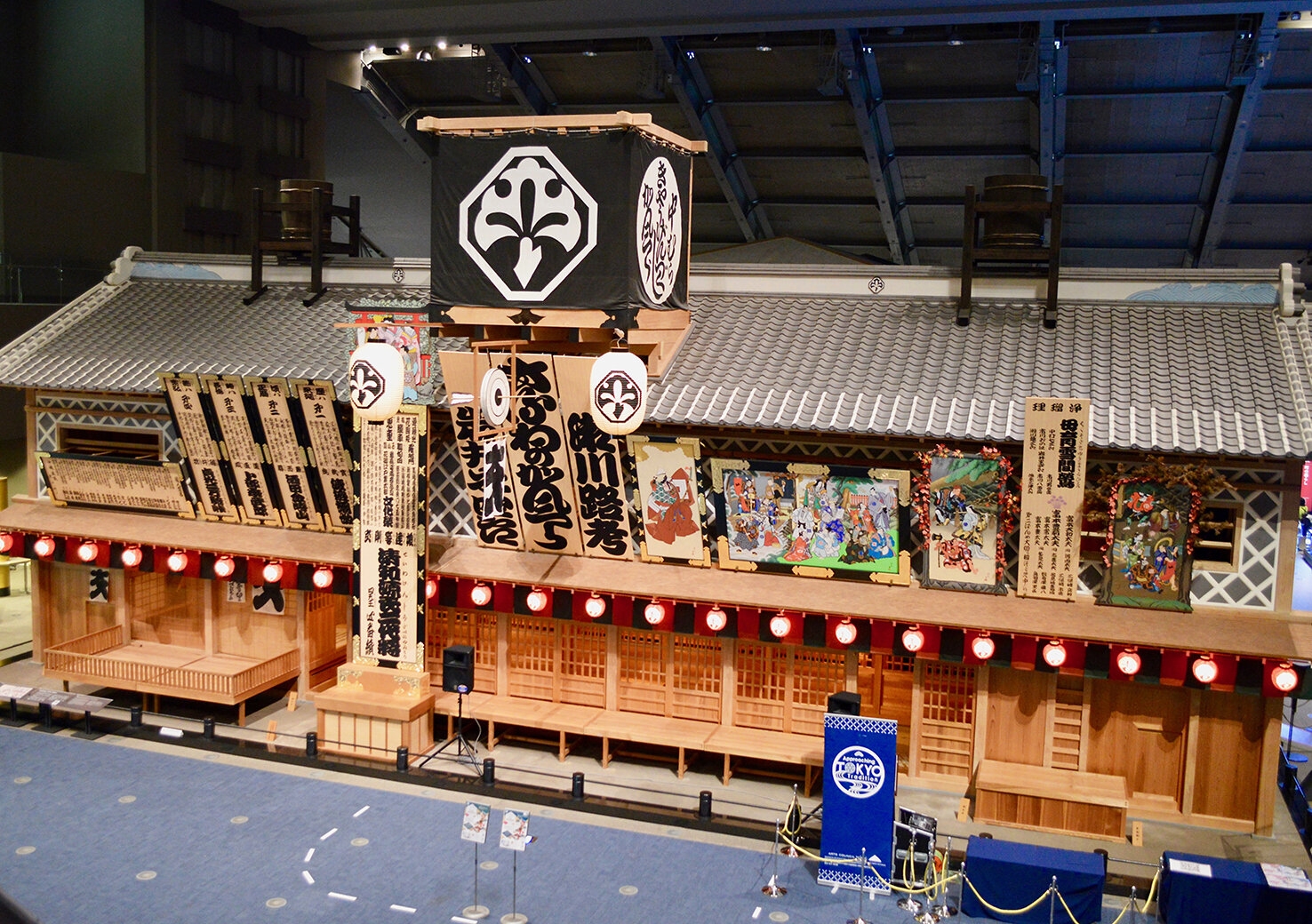
You can also experience kyokugei or acrobatics, which includes skillful Japanese umbrella spinning, and kamikiri or paper-cutting, where paper is transformed into elaborate shapes. All these performing arts are still popular in contemporary Japan as part of traditional variety performances. However, they are not so widely known among international audiences, so don't miss this chance to see them up close, and perhaps participate yourself.
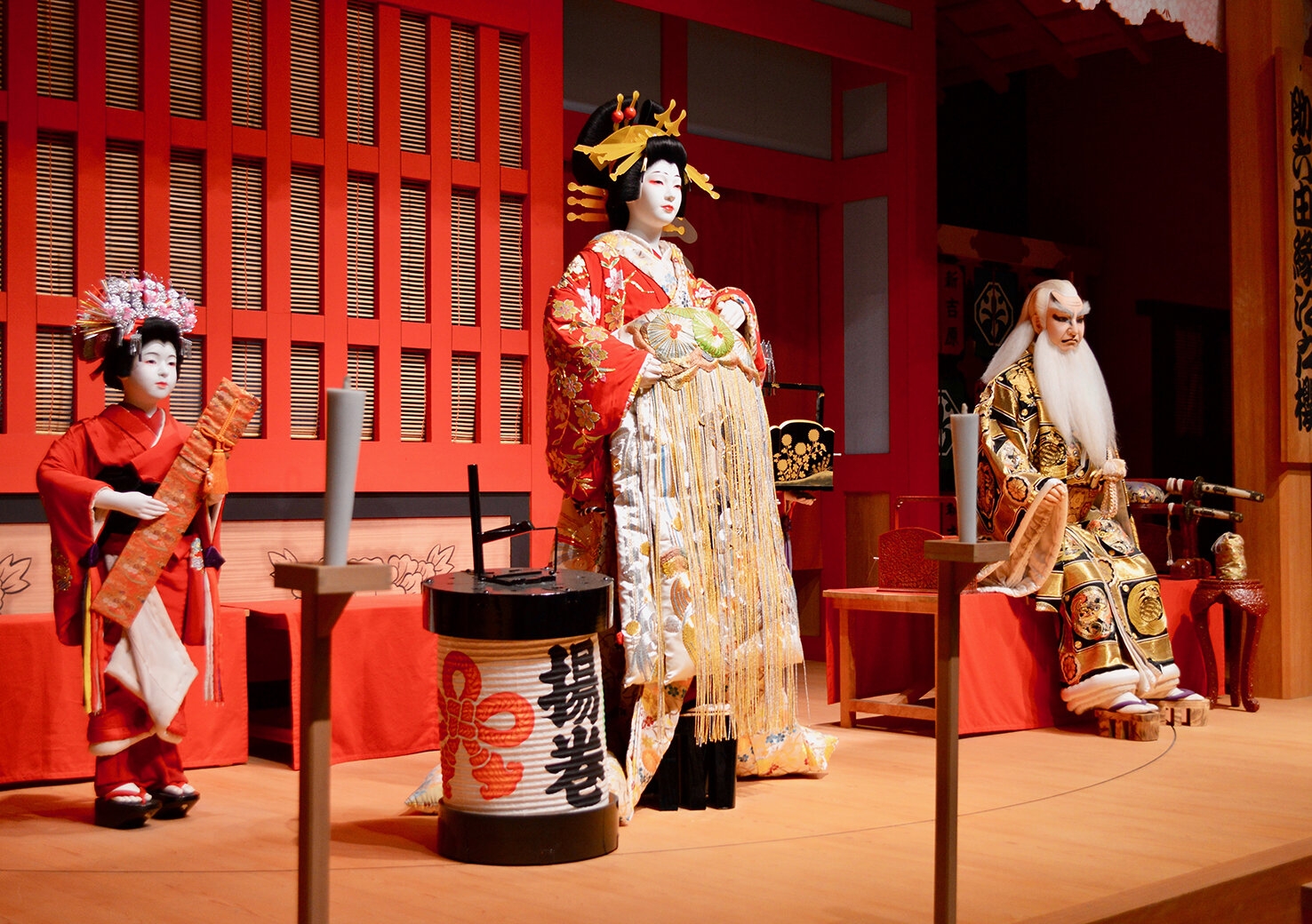
In addition, the Edo-Tokyo Museum offers a fantastic chance to learn about the history of the traditional performing arts through its permanent exhibits. If you haven't explored the museum yet, they provide a fantastic chance to explore the history of Edo's path to become Tokyo.
- Find out more on the Edo-Tokyo Museum Homepage
- Information and schedule of upcoming performances can be found here
*Attendance to the performances is free, but an admission fee is required to enter the museum.
This article was written by Samuel Thomas.
*This article was posted on the Life in Tokyo website operated by the Tokyo International Communication Committee on July 9, 2018.