


The Dynamic Performance of Kuruma Ningyo
Puppetry is an entertaining performance art that can be seen in many forms in cultures around the world. One form of traditional puppetry in Japan is bunraku. Hachioji City, in Tokyo's western area, is home to an original and dynamic interpretation of bunraku called Hachioji Kuruma Ningyo.
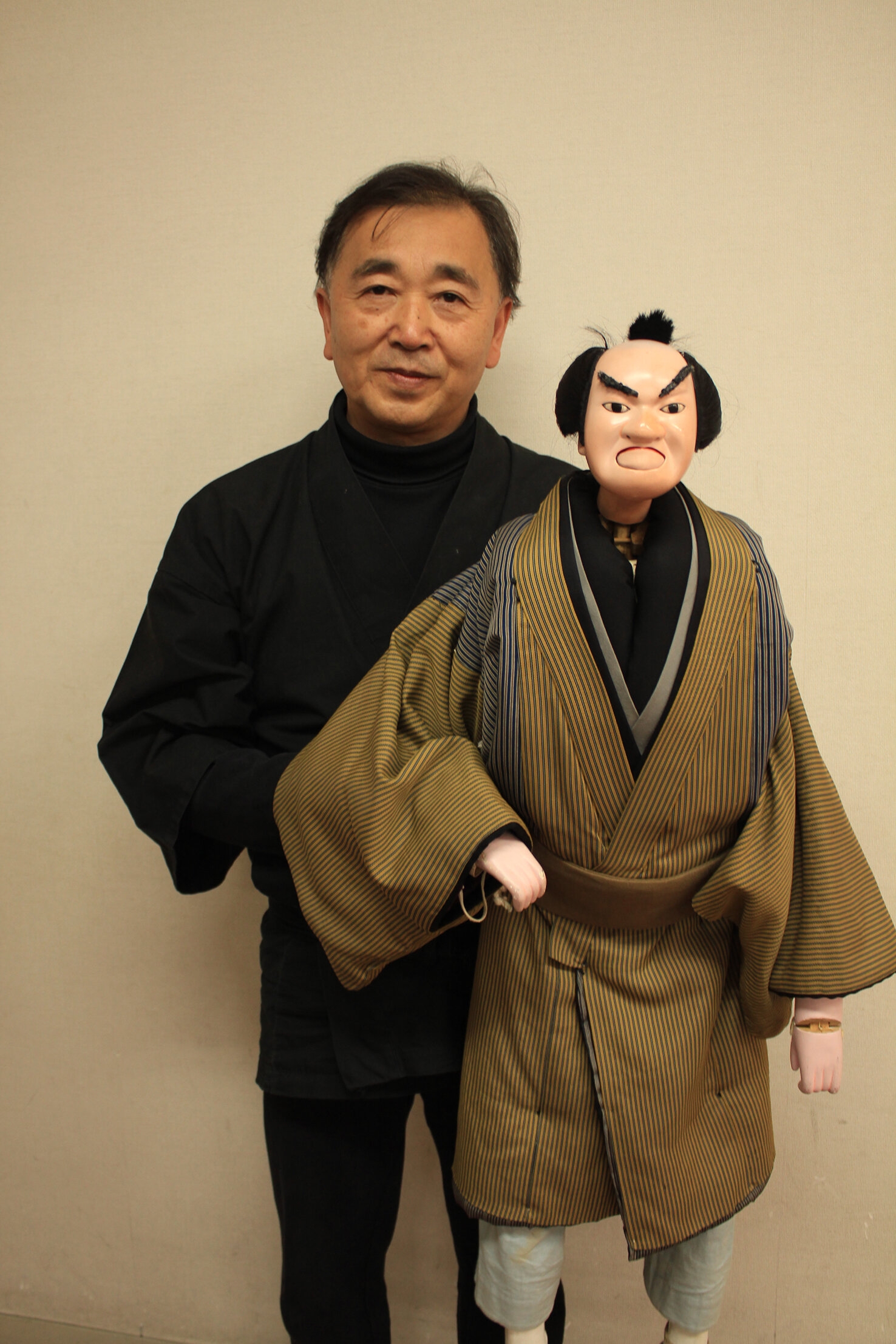
This puppetry technique was founded by Koryu Nishikawa in Hachioji around the end of the Edo period, in the mid-1800s. The art has subsequently been passed down in the family. After being apprenticed to his grandfather and father from age 13, the fifth generation of the family, Koryu Nishikawa V, now oversees the Nishikawa Dance Troupe. The family's unique art has been designated as an Intangible Cultural Asset by the City of Tokyo as well as an Intangible Folk Custom Cultural Asset by the Japanese government.

At first glance, the kuruma ningyo puppets appear similar to those in bunraku, with finely crafted faces, and hands and feet protruding from their garments. Yet, while each puppet in bunraku is operated generally by three puppeteers, in Hachioji Kuruma Ningyo each puppet is operated entirely by one person, who sits on a low cart called a rokuro-guruma. This compact, short stool with one large and two small wheels is the most distinguishing feature about the puppetry style.
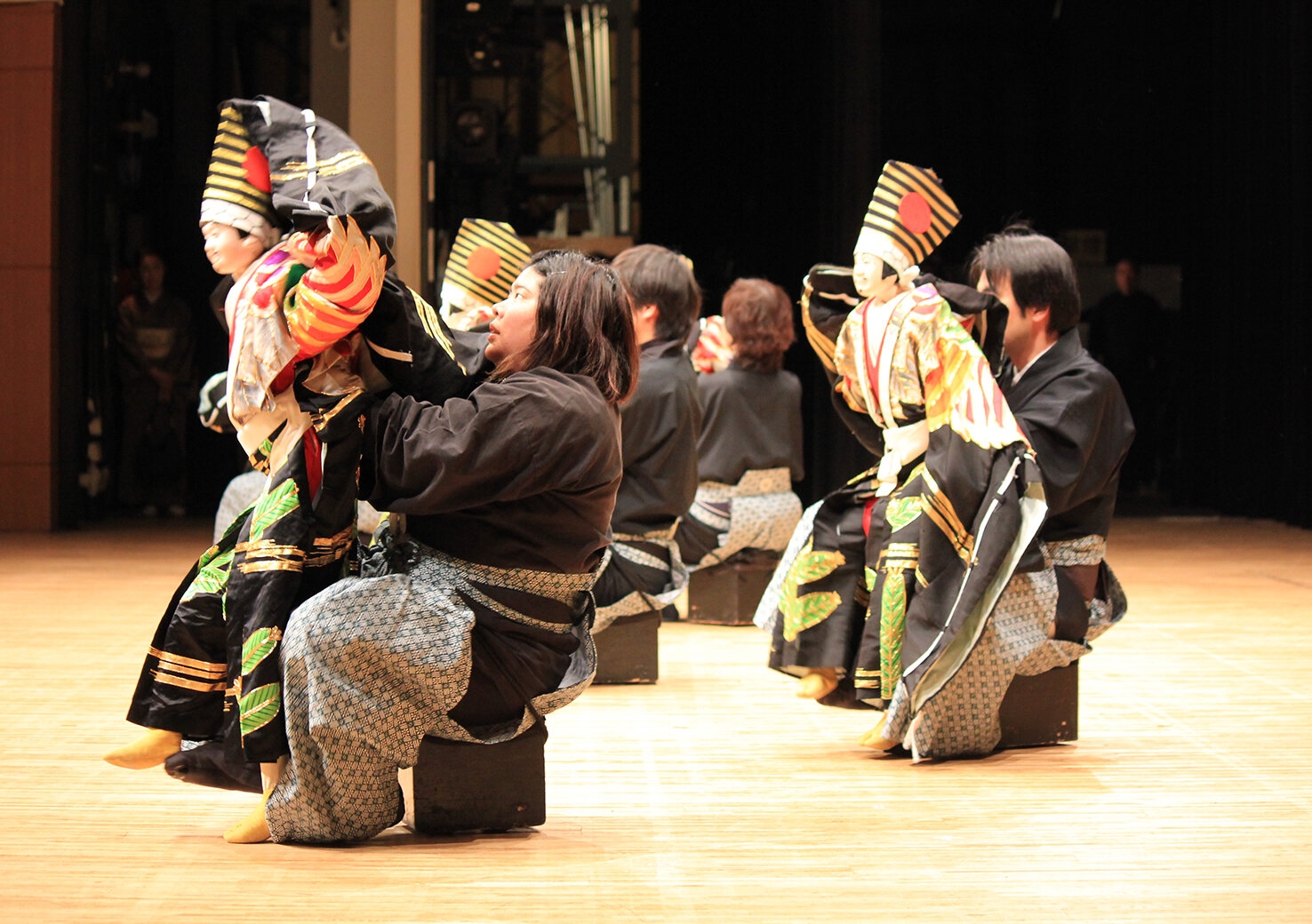
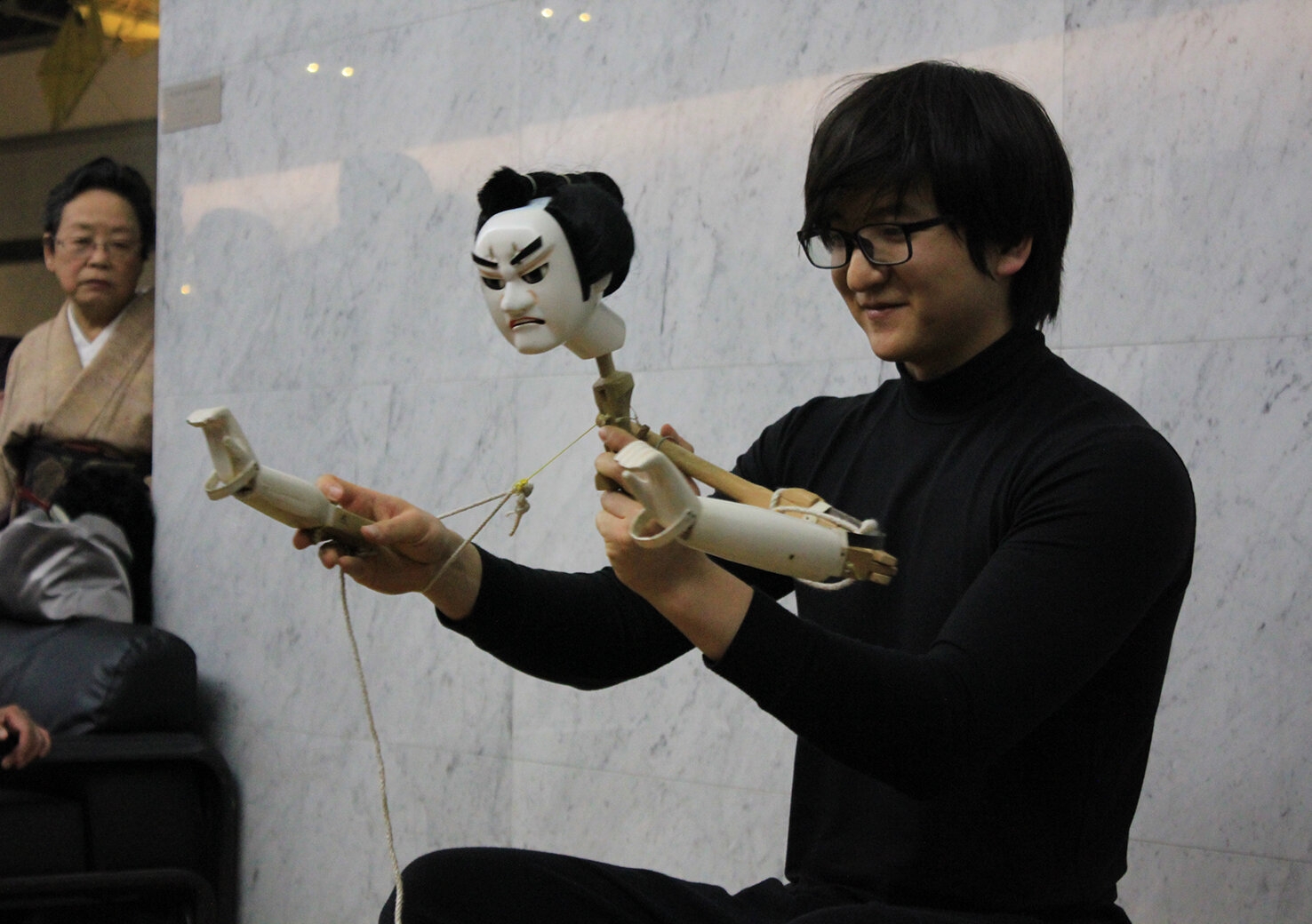
Each of the puppeteer's feet grasp pegs at the back of the puppet's feet, which enables realistic walking, dancing, and other movement on the stage. The right hand of the puppeteers controls the right hand of the puppet, while the left hand is used to manipulate the puppet's left hand and neck. Thus, by sitting on the stool, the puppeteer can wheel around on stage, moving with the puppet in unison while coordinating its required movements, allowing greater flexibility and realism.
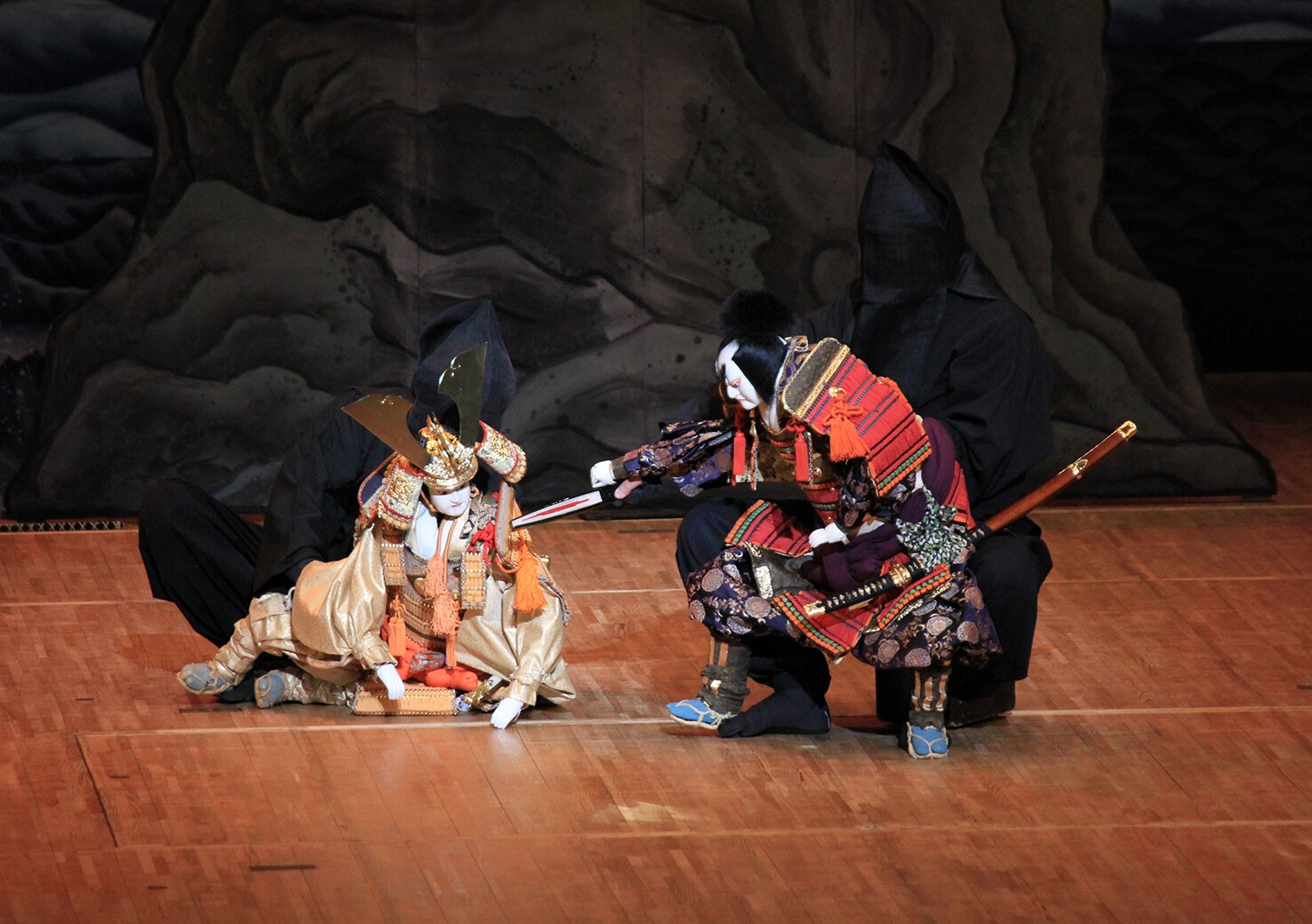
The Nishikawa Dance Troupe has an extensive repertoire that reenacts traditional stories from classical Japanese literature as well as famous historical events.
Nishikawa, who spent some time learning foreign puppetry as well as teaching kuruma ningyo in Sweden and performs regularly in Europe and the United States, has also incorporated international dance elements. His kuruma ningyo can even been used to represent flamenco dancers.
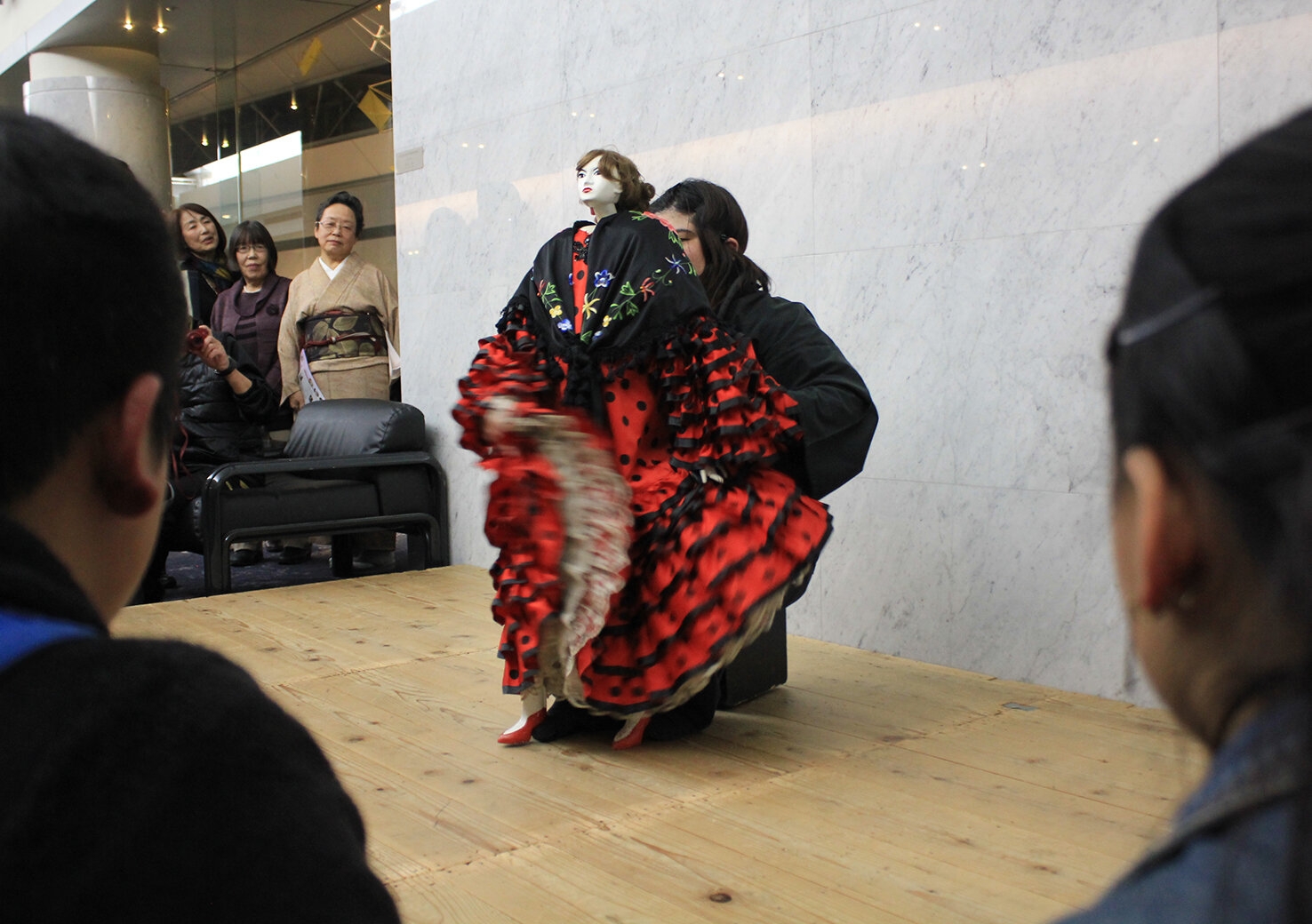
Those familiar with bunraku will be fascinated by the impressive coordination involved in Hachioji Kuruma Ningyo, while those new to Japanese traditional performing arts are sure to be mesmerized by the expert puppeteers who bring their subjects to life.
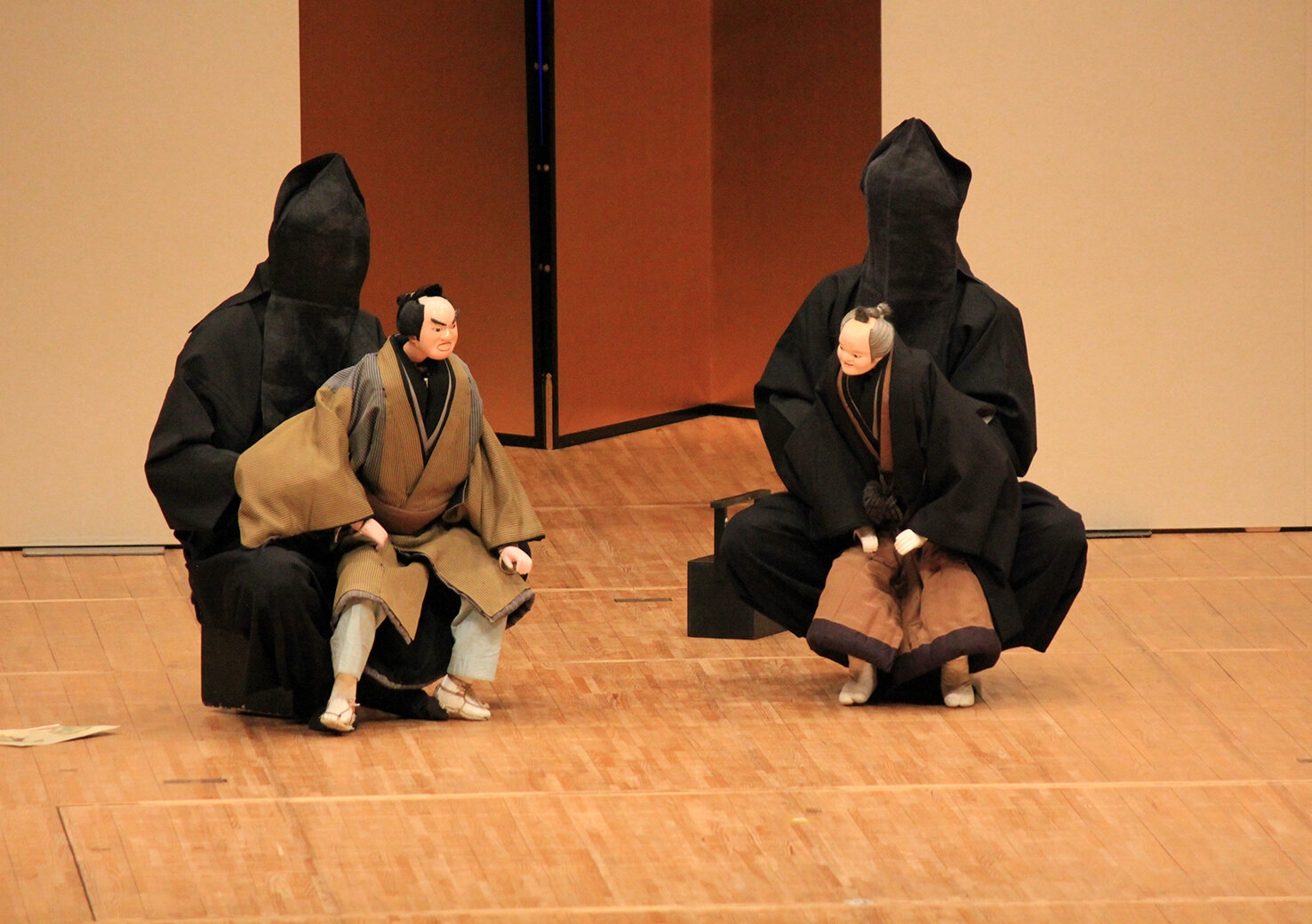
The Nishikawa Dance Troupe holds performances throughout the year at the Hachioji City Art & Cultural Hall. Please see the website (Japanese only) for more information: http://www.hachiojibunka.or.jp/icho/
This article was written by Noam Katz.
*This article was posted on the Life in Tokyo website operated by the Tokyo International Communication Committee on February 13, 2018.