


See the Colorful Side of Japanese Culture Through Kabuki -National Theatre-

Kabuki is well known as one of Japan's traditional performing arts, but it is neither highbrow nor inaccessible. This unique style of theater, featuring stylized movements, elaborate face painting, showy costumes, and dramatic dances started in Japan's Edo Period (1603-1868) as entertainment for the masses. Even now, shows often address relatable themes from Japan's past and feature the way of life of Edo-period commoners.
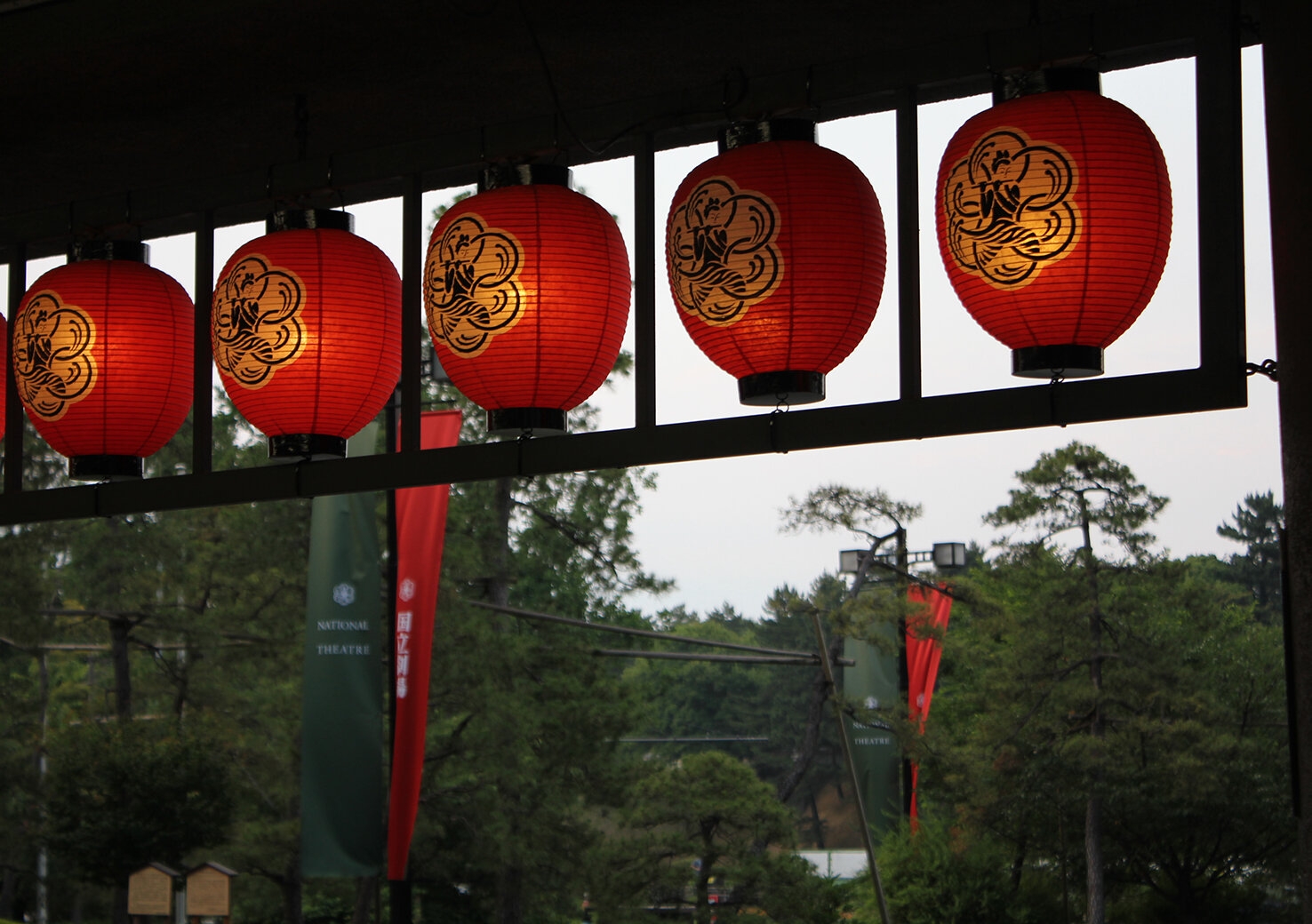
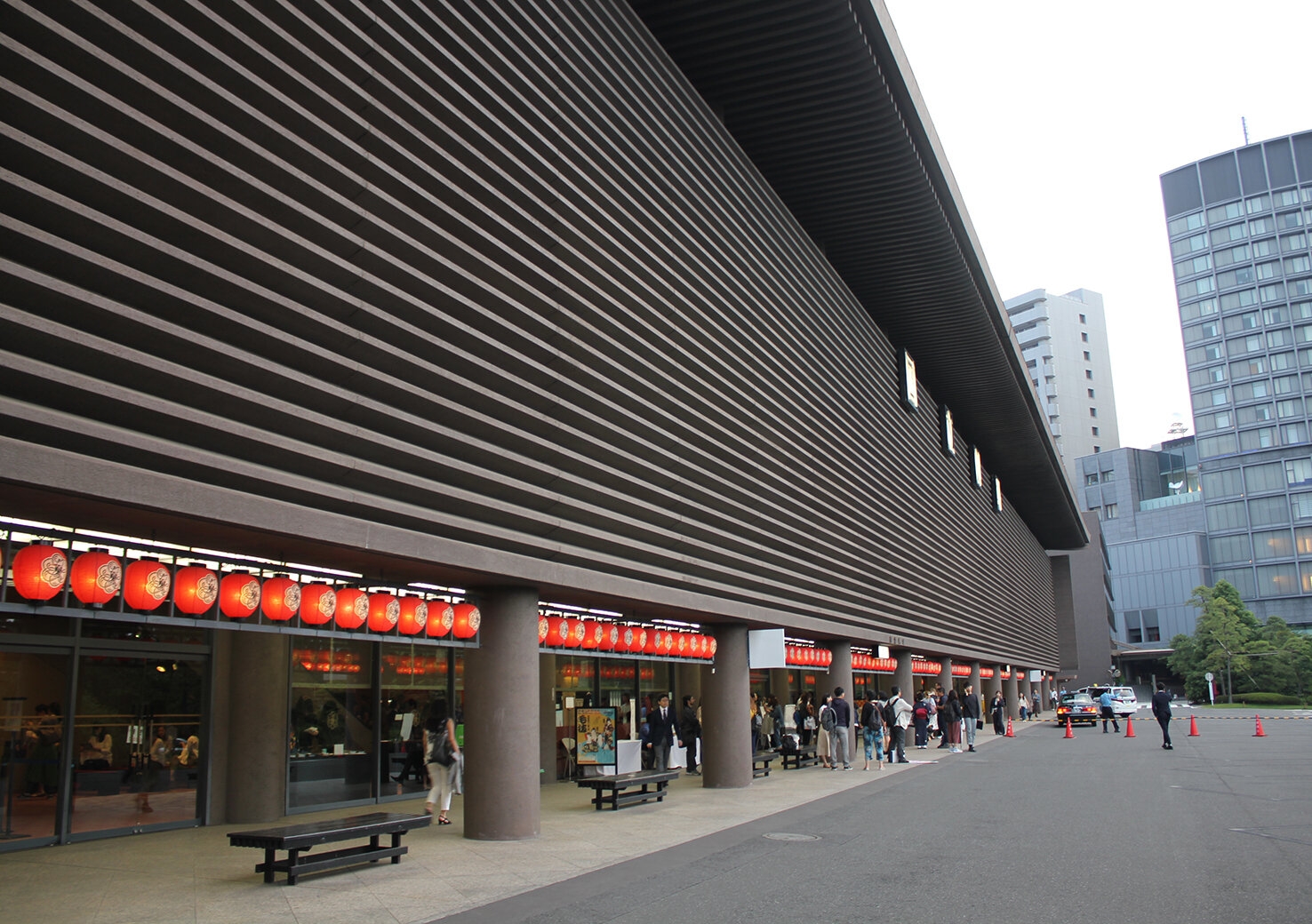
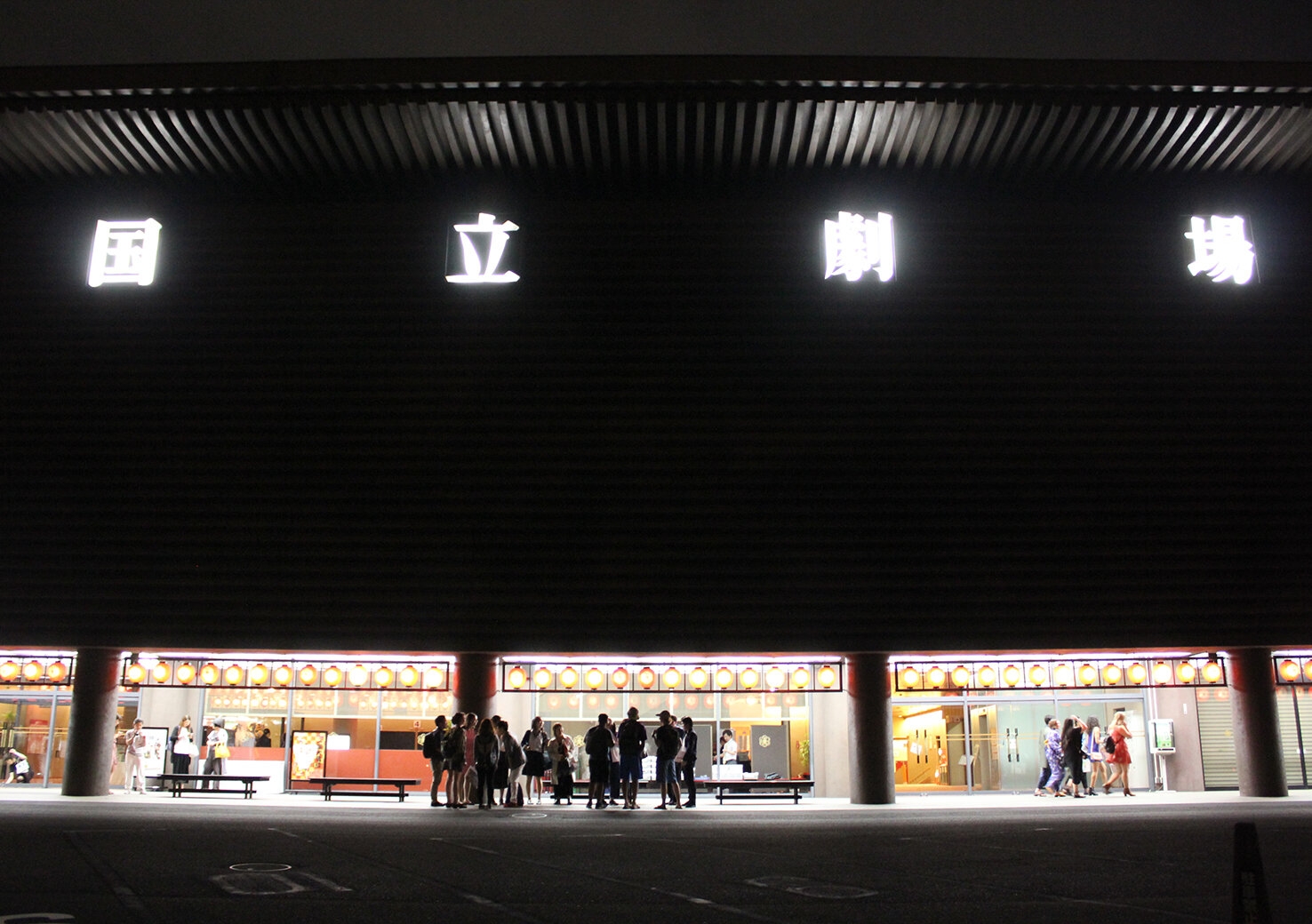
There are several venues to enjoy kabuki in Tokyo, including the recently renovated Kabuki-za in Ginza; the Shinbashi Enbujo Theatre, located between Ginza and Tsukiji; and the National Theatre situated across from the Imperial Palace in Hanzomon.
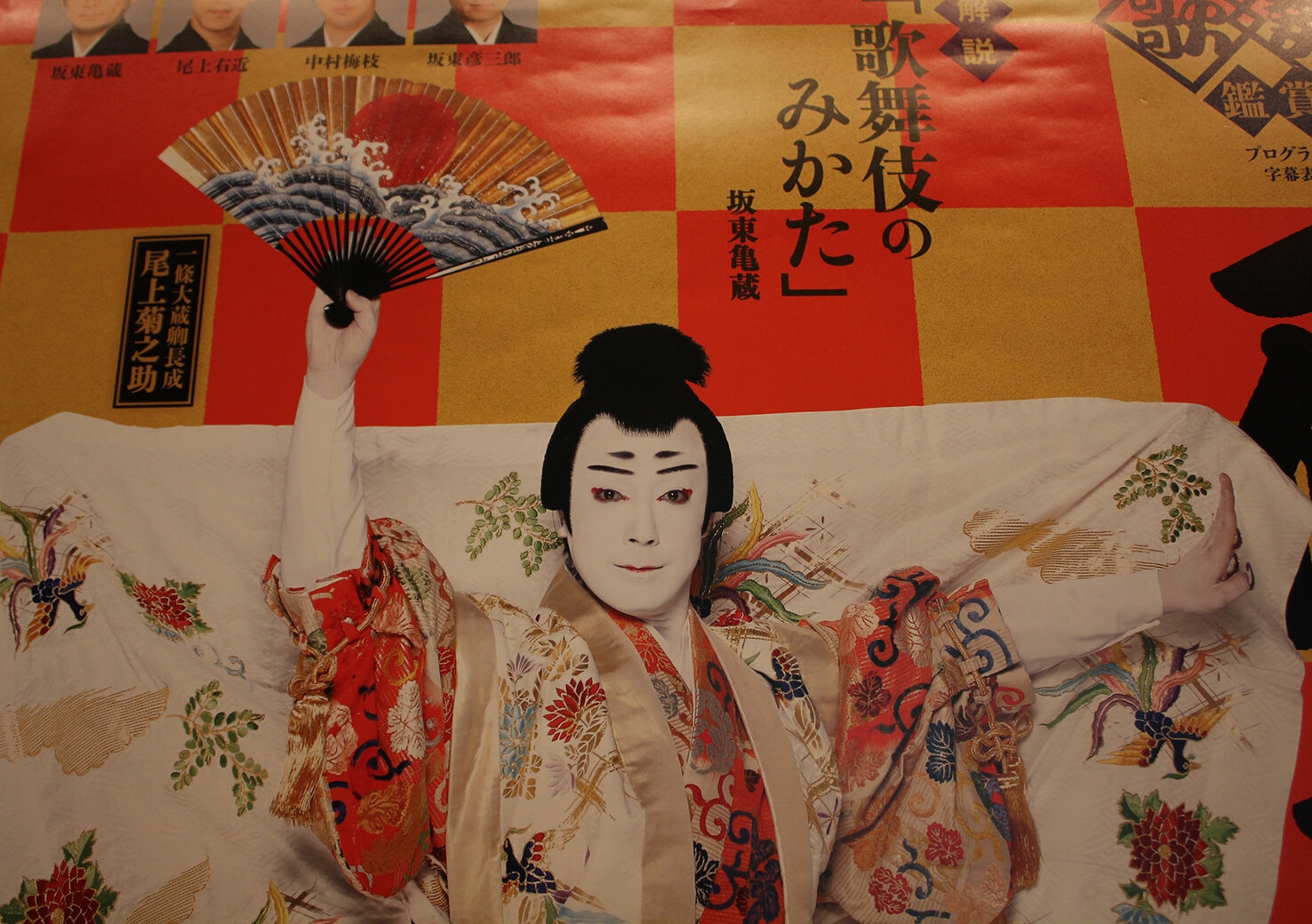
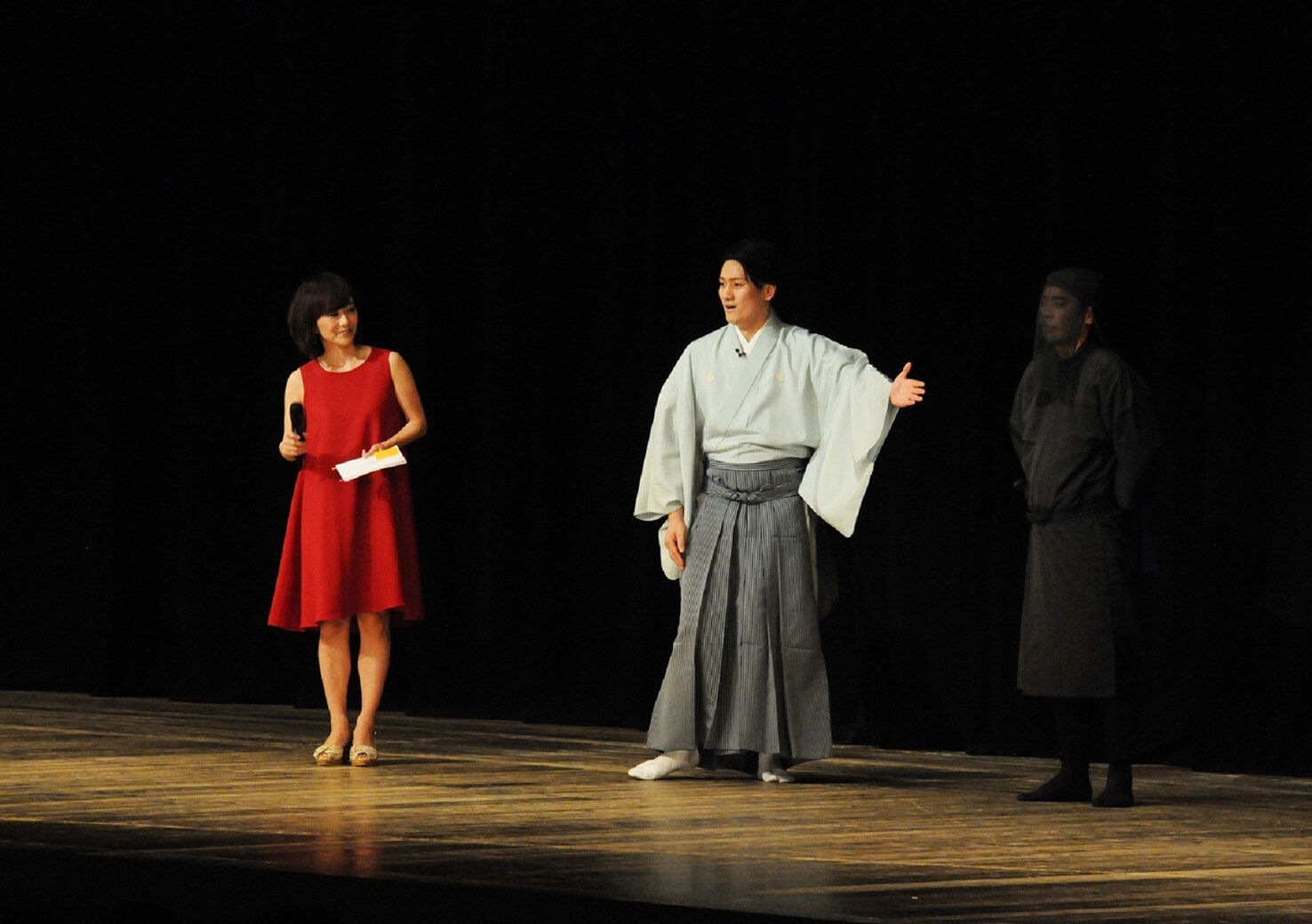 Photo by National Theatre
Approximately once a year the National Theatre holds a special kabuki event for foreign guests called Discover KABUKI, and I attended the June 16, 2017 show. Before the performance there was a 30-minute presentation entitled "How to Appreciate Kabuki in English" during which kabuki actor Hayato Nakamura shared the stage with bilingual TV announcer Ayako Kisa. She asked him questions about kabuki and interpreted his answers for the international audience.
The two started by explaining a kabuki theater's distinguishing characteristics, one of which is the stage. Connecting perpendicularly to the main stage is a long thin catwalk on the audience's left. Known as the hanamichi, this route is used by characters to give a more dramatic entrance or exit. Indeed, the hanamichi at this venue has a trap door from which Hayato Nakamura made his appearance for the presentation.
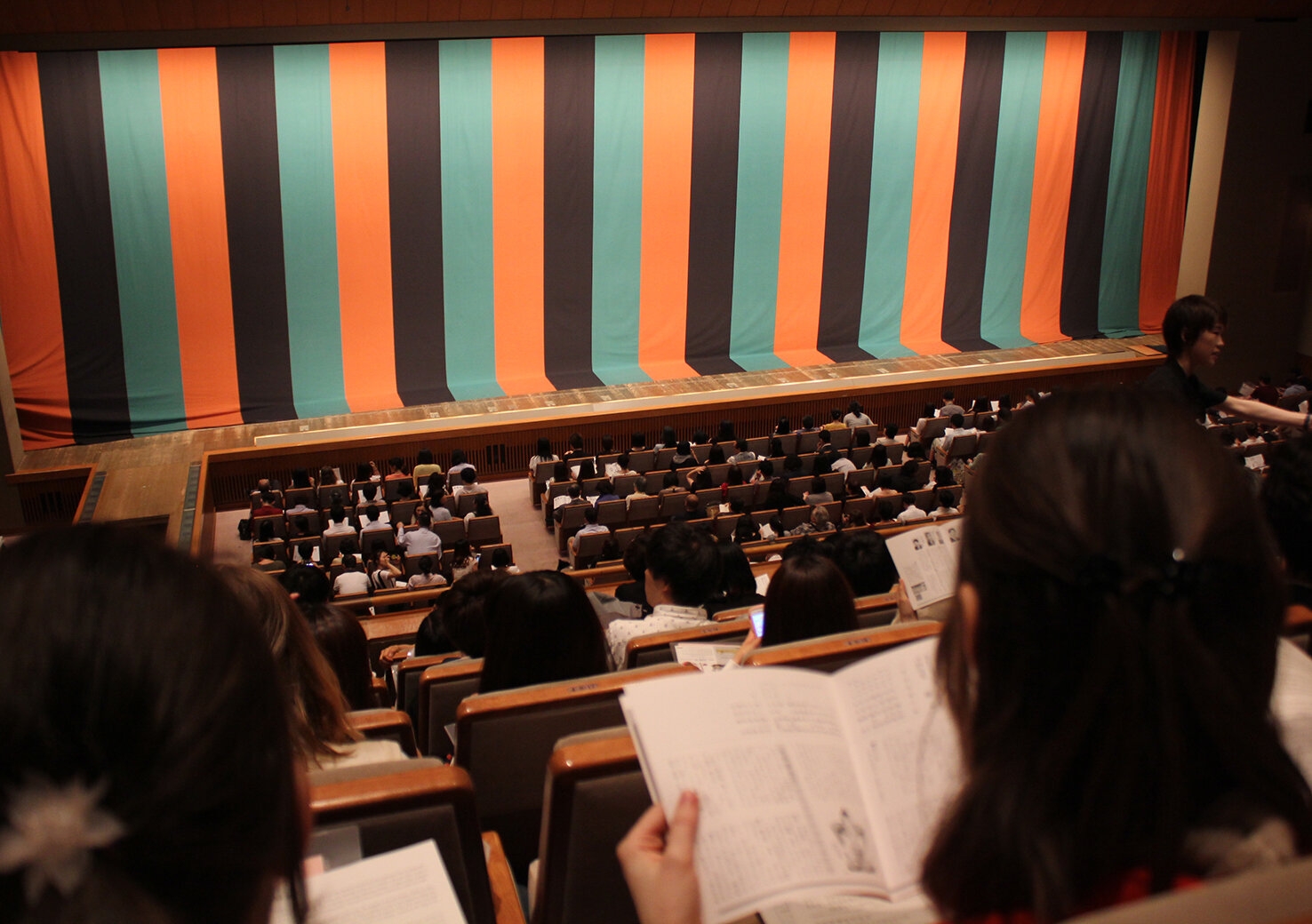
The curtain or maku catches the eye with its typically red, black and green-colored vertical stripes. The sound of wooden mallets being struck signals the start of the performance, and the curtain is pulled from left to right by unseen hands to reveal the stage.
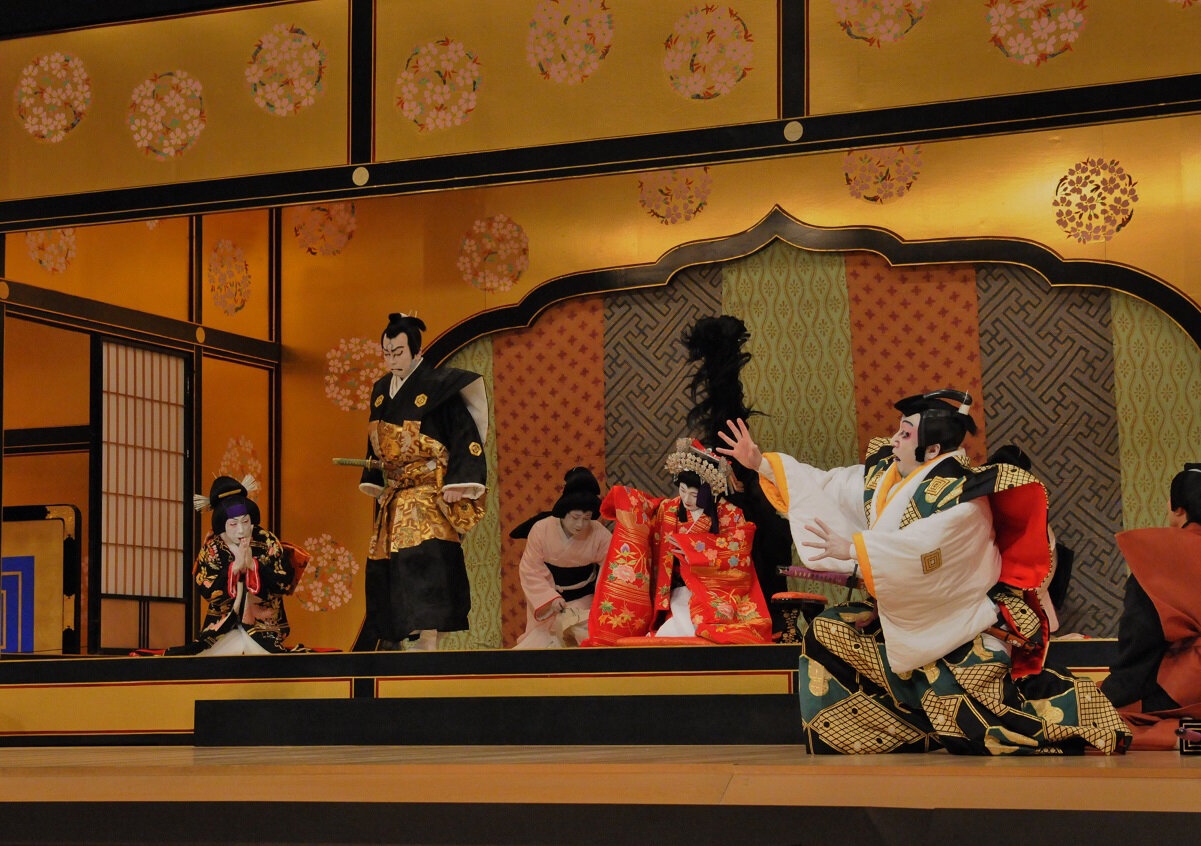 Photo by National Theatre
On the audience's far left is a small, unique structure with latticed windows, where the "orchestra" is located. From here, professional musicians playing traditional Japanese musical instruments such as the shamisen monitor the stage action. Unlike in Western theater, however, the musicians use their voices in unison to coordinate the beginning and end of musical interludes.
On the audience's far right is a person called a Tsukeuchi who produces a sound effect known as tsuke by striking clappers on a wooden board. The Tsukeuchi strikes these clappers in sync with the footsteps of a particular character when dramatic emphasis is needed.
Men perform both male and female roles in kabuki. To adopt feminine appearances and body movement, an actor brings his shoulders back and drops them down, making them look more like the smaller shoulders of a woman. He also bends his knees and crouches slightly as he moves around.
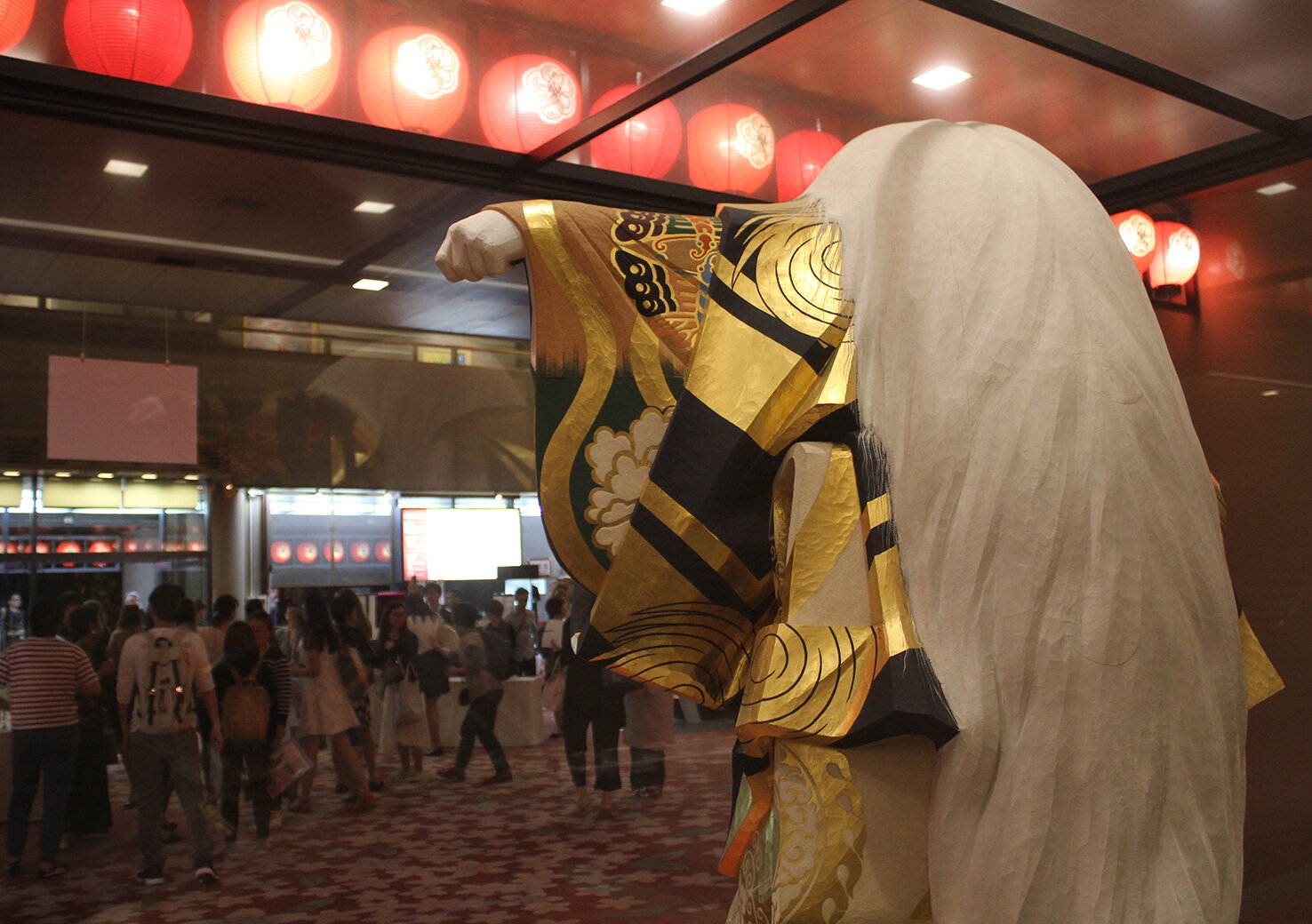
Stage hands known as kurogo are clad head to toe in black. They dart around the stage as they move props, aiding in costume changes. Some kabuki performances (such as tweezers) use oversized props in order to be more visible to the audience.
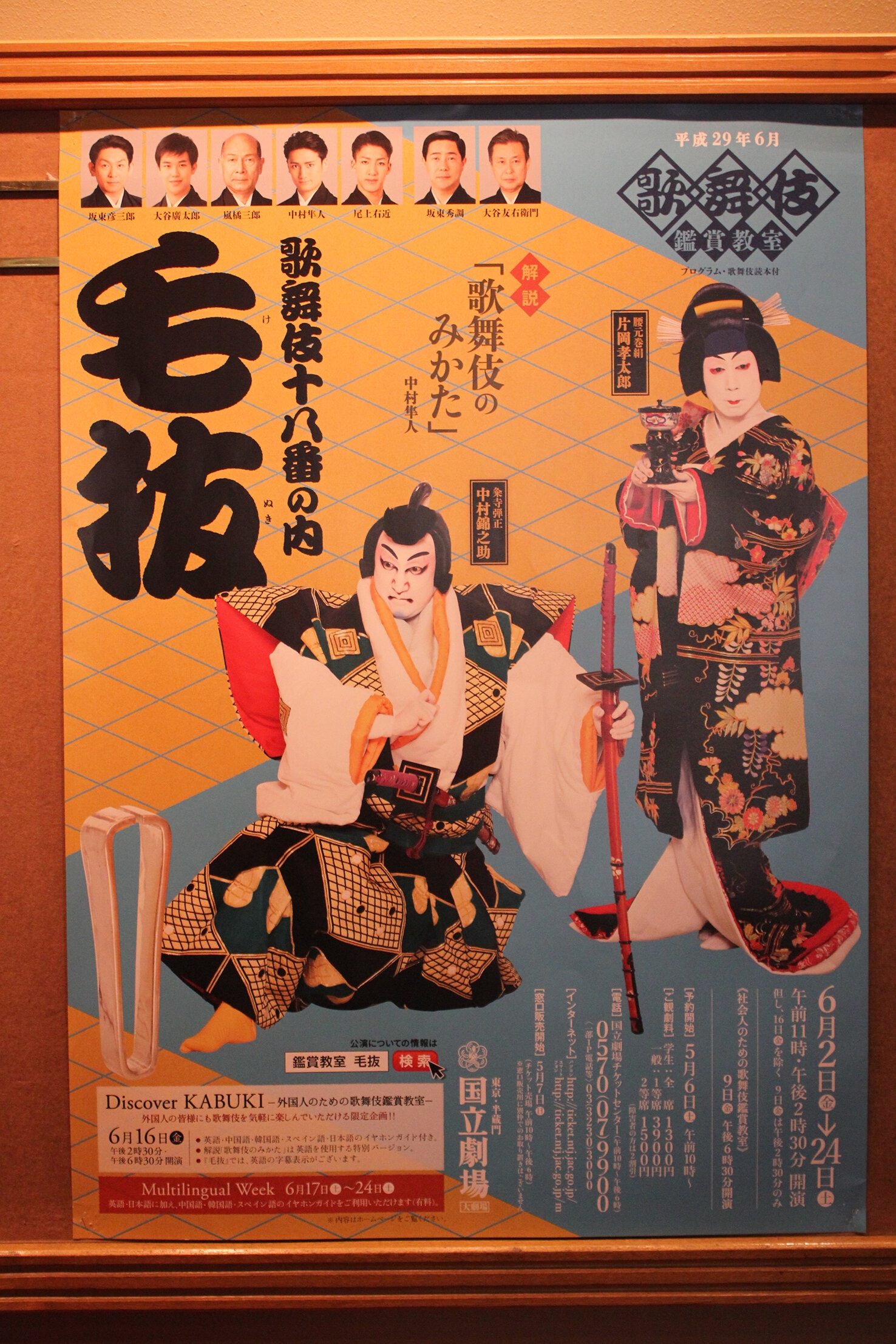
The performance at Discover KABUKI was Kenuki (Tweezers), which is one of the Kabuki Juhachiban (18 Favorite Plays). The story centers around a feudal lord named Ono who is facing difficulties over a missing heirloom and a betrothed daughter afflicted by a strange illness that causes her hair to stick up on end. A visiting vassal of the daughter's fiancé named Kumedera Danjo discovers the reason after observing his tweezers floating in air at the Ono residence. He cleverly solves the family's issues with his ingenuity.
Kabuki can be hard for even native Japanese to understand as the Japanese language used by the actors is no longer spoken today. To ease understanding by both a Japanese and international audience, venues often provide Japanese descriptions and offer multilingual guidance. For this special Discover KABUKI program the National Theatre provided an overview of the story in Japanese and English, displayed English "subtitles" above the stage, and included audio guides in Japanese, English, Chinese (Mandarin), Korean and Spanish in the cost of the ticket (at regular performances audio guides in Japanese and English are available for 700 yen). A little understanding will make the world of kabuki more entertaining!
National Theatre
4-1 Hayabusa-cho, Chiyoda-ku
Contact:
National Theatre Ticket Centre
0570-07-9900
03-3230-3000(For IP phone call)
This article was written by Noam Katz.
*This article was posted on the Life in Tokyo website operated by the Tokyo International Communication Committee on July 25, 2017. (Last updated on March 13, 2026)