


Close UP
WELCOME - Multicultural Kids’ Salon ~A Multicultural Kids’ Salon Where Children with Foreign Roots May Play and Learn Freely~
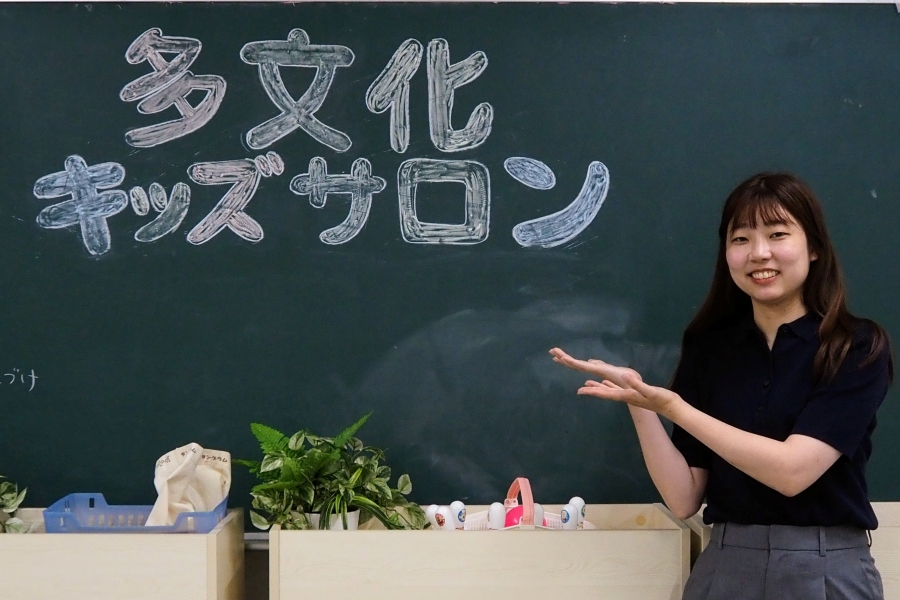
Fussa City has the highest percentage of foreign residents among Tokyo’s urban municipalities. Japanese and foreign residents have long lived together in harmony in Fussa City. In recent years, the number of foreign residents has continued to rise, and the number of children with foreign roots has also increased. The Multicultural Kids’ Salon WELCOME provides study support and counseling sessions for children with foreign roots. We spoke with Ms. Miyu Moritoki, who serves as the director of the Musashinodai Children’s Center, and manages the Multicultural Kids’ Salon WELCOME.
- Multicultural Kids’ Salon: Supporting the Growing Number of Children with Foreign Roots
- Providing One-on-One Learning Support to Walk Alongside Children as They Face Challenges
- Fun Time Together Before Studying
- Personalized Support for Children Starting Primary School, and Homework Assistance
- Providing More Children with Support
Multicultural Kids’ Salon: Supporting the Growing Number of Children with Foreign Roots
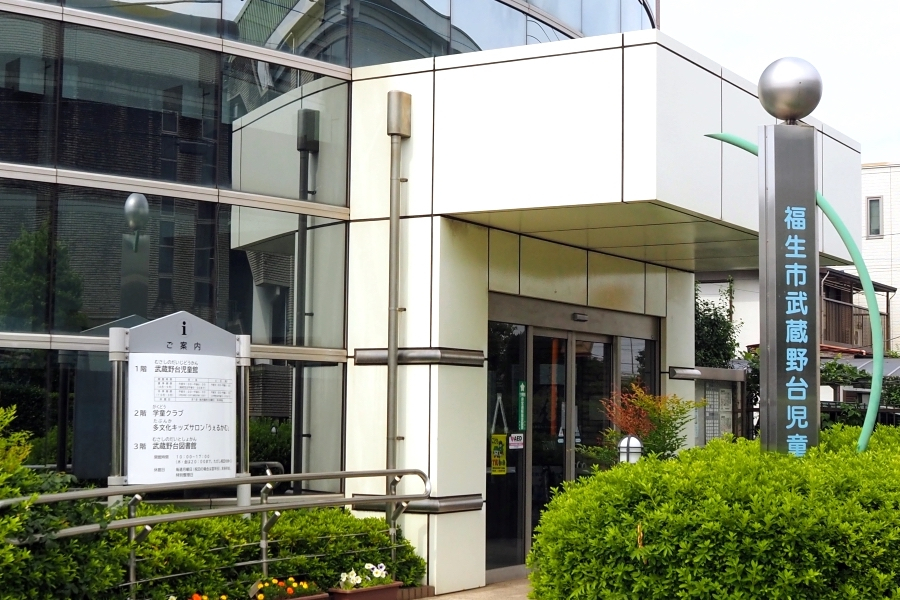
The multicultural Kids’ Salon WELCOME opened in April 2025 in a section of the Musashinodai Children’s Center. WELCOME creates a welcoming community space for children with foreign roots every Sunday by providing Japanese language support and a safe place to play. The program is run by 20 people, including staff from the children’s center and after-school club, along with local volunteers.
”Every day, the children’s center is visited not only by Japanese children but also by many children of foreign-rooted backgrounds. Fussa City has a high proportion of foreign residents. Having been born and raised in Fussa City, I never thought of Japanese people and foreigners as separate groups when I was a child. (Fussa City,) always possessed a multicultural and inclusive environment. As I entered high school, I realized for the first time that the environment in Fussa City was different from other parts of Japan,” says Ms. Moritoki.
In Fussa City, the number of people with foreign roots has been increasing year by year. However, there was also a challenge: there were almost no places within the city to support children with foreign roots. That is why the multicultural Kids’ Salon WELCOME was newly established on the second floor of the Musashinodai Children’s Center.
“We had children decide on the name WELCOME. We asked children to come up with ideas, and the final decision was made based on the results of a vote held at the children’s center and at each school. (We staff members) were saying, as this is a space we’re creating for the children, we’d like to listen to everyone’s opinions before making a decision.”
Providing One-on-One Learning Support to Walk Alongside Children as They Face Challenges
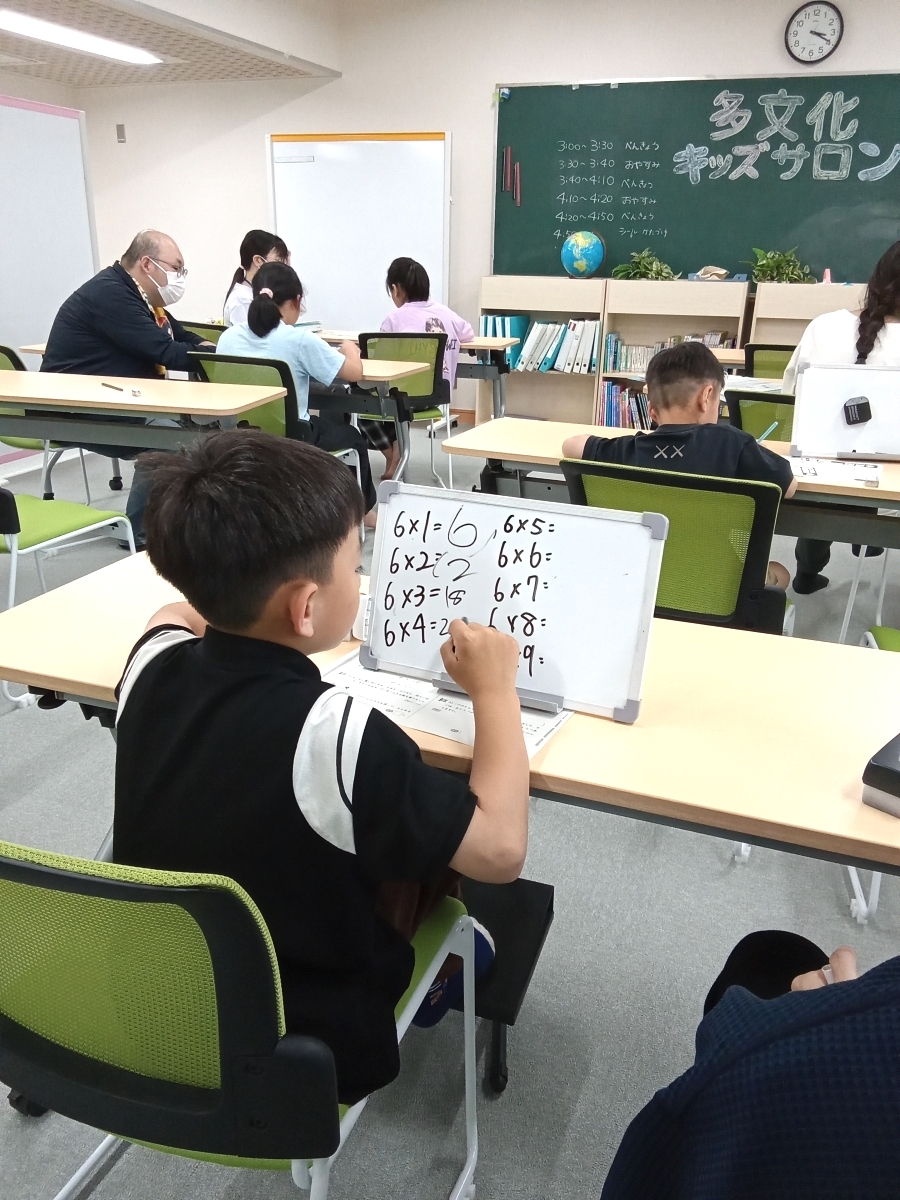
Photo Courtesy: WELCOME
The launch of the Kids’ Salon was carried out in collaboration with the city.
“I also visited other kids’ salons in Tokyo, where I learned how to run a kids’ salon. It seems many kids’ salons have been around for a long time, but we’re still feeling our way through,” says Ms. Moritoki.
The core of the kids salon’s activities is supporting Japanese language learning.
“(At the Kids’ Salon), since many children can speak Japanese fluently, it’s hard to tell if they’re having trouble, but we’ve found that many of them struggle with reading and writing in Japanese. For example, in basic math, Japanese reading comprehension skills become increasingly important as grades advance. (Children who struggle with math problems because of difficulties with Japanese) seem to be viewed at school as ‘children who can’t learn,’ but in reality, it appears that many of them are simply having trouble with Japanese reading comprehension,” says Ms. Moritoki.
At WELCOME, the staff generally provides one-on-one support to help children with their studies. Currently, One-on-one support is primarily attended by children in the 3rd and 4th grades of primary school. Sometimes, a parent who is preparing for their own Japanese language exam sits with their child to study with them.
Although the children’s study time at the Kids’ Salon is two hours, from 3:00 to 5:00 p.m., many children used to have trouble staying focused. At the Salon, they implement various strategies during study time, such as having all children take a break at the same time or having children who lose focus move to a separate area for a while. As a result, it seems children have gradually been able to concentrate for longer periods of time.
No registration is required to visit the Kids’ Salon; children are free to come and go as they please at any time. To encourage children to keep coming back and have fun, the Salon offers a stamp card program with a special reward: once they collect enough stamps, children can play with capsule toys.
Fun Time Together Before Studying
At the Kids’ Salon, “playtime” is scheduled before the study support session. Children enjoy making crafts out of recycled materials, and playing dodgeball in the gym. Children also have time to experience Japanese culture through activities such as origami and making Tanabata wish cards.
“We hold the Kids’ Salon on Sundays, when it’s easy for children and volunteers to get together. Since they’re taking the time to come out on their day off, we try to make sure (participants) can have as much fun together as possible,” says Ms. Moritoki.
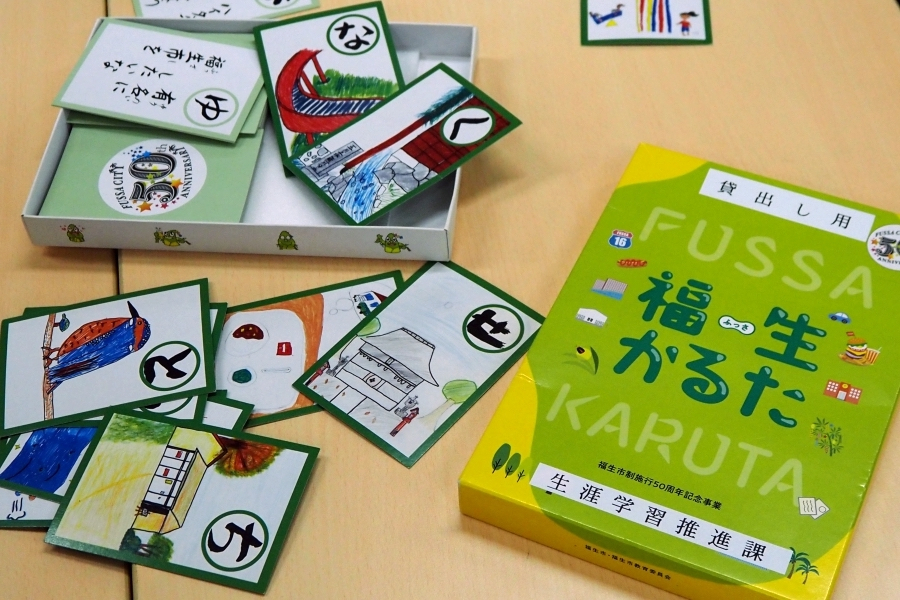
A game that’s especially popular with children is “Fussa Karuta.” Created as part of the city’s 50th-anniversary project, this karuta set allows children to learn about Fussa’s famous sights and history while enjoying illustrations by local children.
“They seem to play karuta a lot at school, too, and are good at playing it. It seems like they enjoy seeing things like their own school or familiar things appear on the cards.”
Ms. Moritoki says that, at first, some children had a hard time switching from playtime to studying, but they gradually developed the habit of studying when it was time.
Local citizen volunteers who want to do something for their community are also actively participating in the Kids’ Salon activities. At the children’s center festival the other day, a Vietnamese volunteer staff member brought an Áo dài—the traditional Vietnamese dress—and set up a booth where visitors could try it on. The participants had a great time learning how to wear the Nón lá hat and striking poses for photos. “We've been saying it would be nice to wear yukata to the summer festival in the future,” says Ms. Moritoki.
Personalized Support for Children Starting Primary School, and Homework Assistance
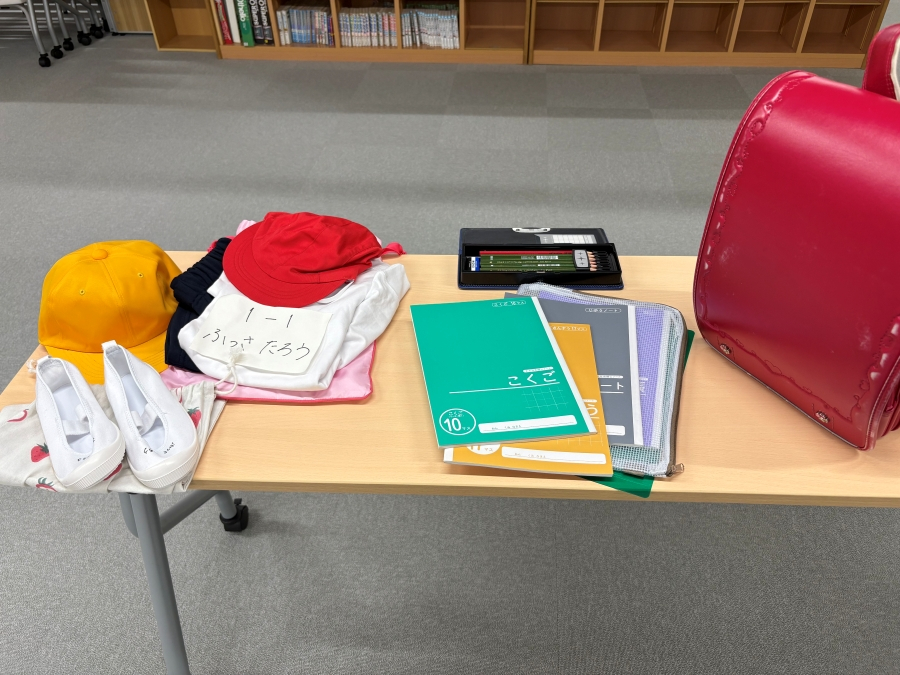
Photo Courtesy: WELCOME
The kids’ salon also provides support to help children with their transition to primary school. In Japanese primary schools, students are required to prepare school supplies and other items before starting school, but requirements vary from school to school, even within the same city. So, WELCOME purchased the necessary items for seven schools in the city and displayed them at the Kids’ Salon. To accompany the exhibition, they created a list of stores where each item could be purchased. The Kids’ Salon staff helped the children’s parents write their children’s names on their belongings.
“(Regarding support for those starting school), last time we held the program only here at the Musashinodai Children’s Center, but some schools are located quite a distance from here. There are three children’s centers in the city, so we want to hold the event once at each center,” says Ms. Moritoki.
In addition, during school breaks, Kids’ Salon offers a homework support program for students from primary school through high school, where the staff helps children with their workbooks and essays. With the cooperation of teachers at Japanese language schools in Fussa City, the Kids’ Salon hosted many children over the course of four days. “It’s not just children who struggle with homework. Parents also want to help their children with their studies. However, it seems that some parents are having a hard time teaching their children because they don’t understand Japanese, or because the methods for solving problems differ from those in their own country. That’s why we hope that here at Kids’ Salon, children can get at least some of their homework done, and that this will help reduce the burden on parents at home,” says Ms. Moritoki.
In addition, the staff members provide heartfelt support to parents who seek advice on child-rearing, challenges of daily life in Japan, and educational opportunities for their children. WELCOME has become a cherished place not only for children but also for their parents.
Providing More Children with Support
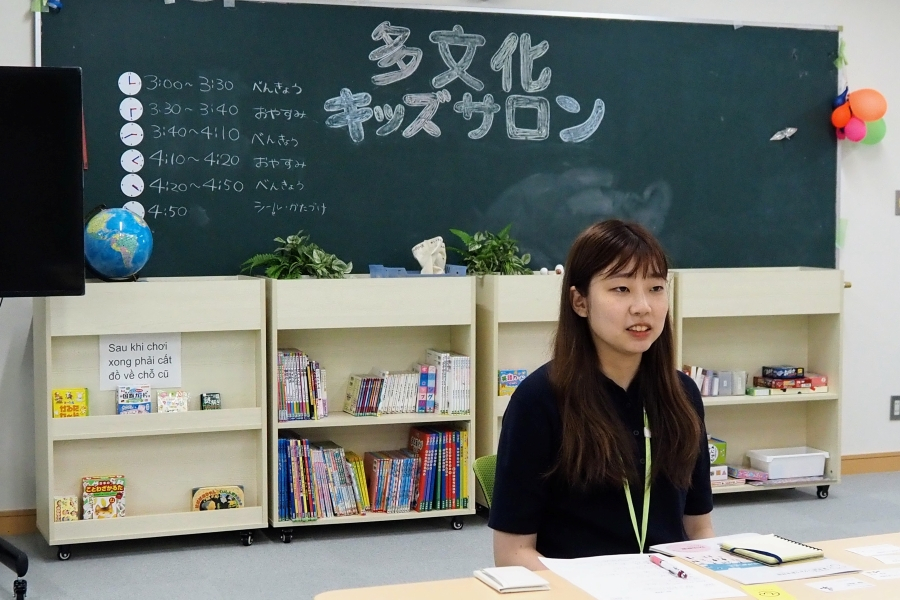
WELCOME celebrated its first anniversary in April 2026. To expand their activities, the staff members are brainstorming ideas together and actively posting on social media.
“Right now, we’re operating just this one location in the city, but it would be great if we could expand our operations to more locations in the future. That way, we can provide support to children who currently live too far away to attend in person. As a citywide initiative for Fussa, we hope to continue increasing the number of participants in the future,” says Ms. Moritoki, sharing her outlook.
WELCOME says that while some children continue to attend regularly, the organization is finding it difficult to connect with new participants.
“We’re gradually starting to collaborate with the community—for example, by having the Japanese language classes at a nearby school introduce our Kids’ Salon to children. Also, some children come to the children’s center but haven’t reached us yet, so our challenge going forward is figuring out how to involve those children,” says Ms. Moritoki.
Ms. Moritoki describes her feelings about this place as follows:
“In addition to creating a meaningful space for children, we aim to provide support that enables them to interact more with their classmates at school and makes it easier for them to participate in class. We’re still figuring out some points, but we want to make this a place where children can have fun while playing and learning.”
The circle of “WELCOME,” which warmly embraces children, is gradually expanding throughout Fussa City.