


Close UP
Specified Nonprofit Organization Development Education Association and Resource Center (DEAR) ~A Society of Mutual Coexistence Through Development Education — Where Each Individual Takes Global Issues to Heart and Takes Action~
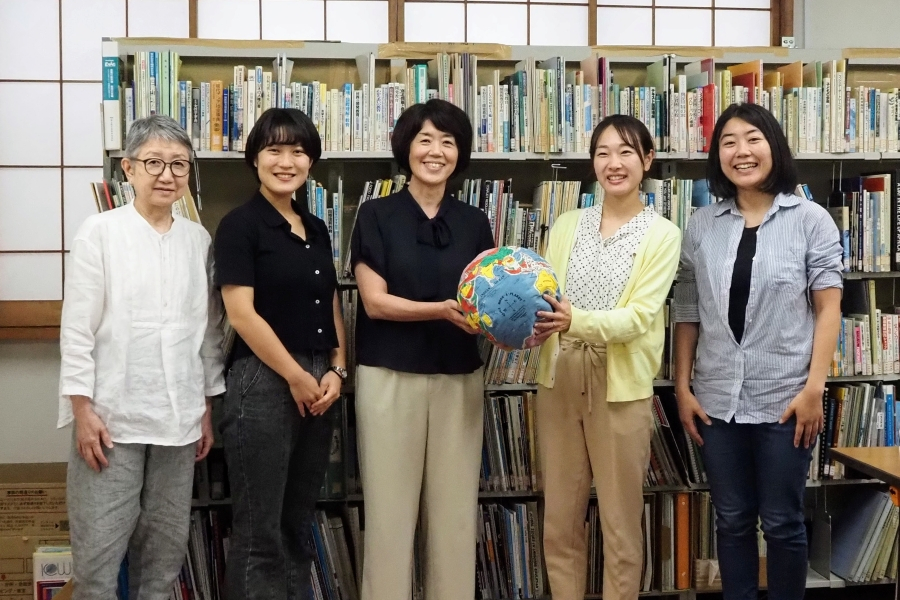
The Development Education Association and Resource Center (DEAR) has been operating since 1982, and will celebrate its 45th anniversary in 2027. This organization aims to realize a fair and sustainable global society by creating educational materials on development education and managing networking initiatives. We spoke with Ms. Eno Nakamura, the secretary general of this organization that continues to work tirelessly, striving to become a “force for changing the world.”
- Aiming to Increase Not Only the Number of People Who “Know,” but Also Those Who Take Proactive Action
- Aiming to Create Learning Materials That Help People Develop the Ability to Participate Actively in Society
- Deepening Students’ Understanding of Multicultural Coexistence Through Each Individual’s Story
- Organizing Workshop-style Events to Expand the Reach of Development Education Nationwide
- Development Education: Fostering the Ability to Raise Issues Independently and Continue Thinking
Aiming to Increase Not Only the Number of People Who “Know,” but Also Those Who Take Proactive Action
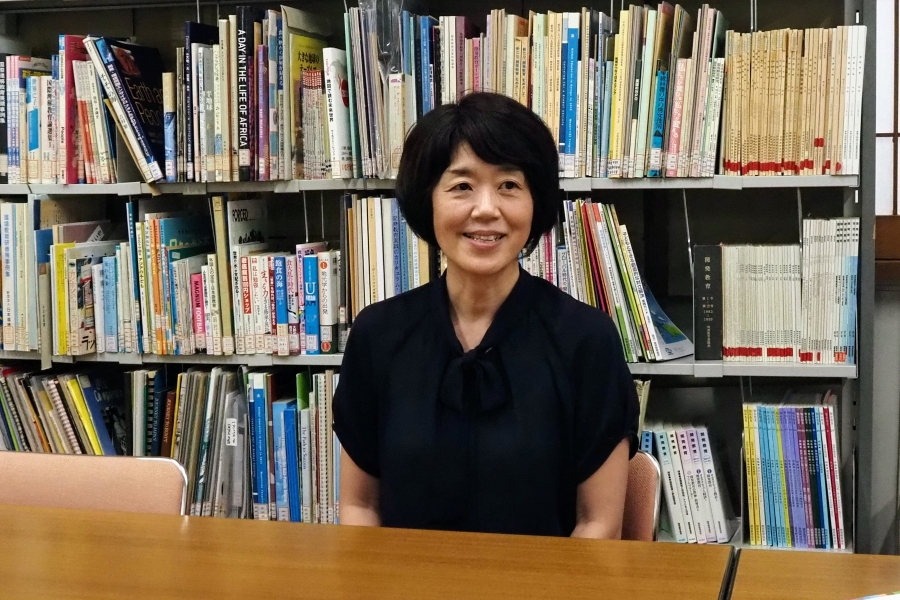
The Development Education Association and Resource Center (DEAR) was established in 1982, triggered by the first “Development Education Symposium” held in Japan in 1979. DEAR works to ensure that each individual understands various development-related issues—such as global inequality, human rights, diversity, and environmental problems—and considers what desirable development should look like. To build fair and sustainable local communities where people can live together, DEAR is engaged in the publication of educational materials and other publications, human resource development, research activities, policy advocacy, and network building.
At DEAR, they have established five core values that their employees and members should uphold:
- Change and Transform (I change myself to change society)
- Participate (We value each individual’s participation in society)
- Engage in Dialogue (We listen to each other’s opinions and feelings to foster dialogue)
- Question (We question our own approach and our approach to development)
- Connect (We connect with diverse people and build solidarity)
“Local issues and global problems are interconnected. Our message is that by learning through educational materials and discussions, each individual can change and become an active member of society—and that we want to change society through development education,” says Ms. Nakamura, who serves as secretary general.
Currently, approximately 500 individual members—including educators, international cooperation professionals, students, and company employees from across the country—as well as 30 organization members are participating in DEAR’s initiatives.
Aiming to Create Learning Materials That Help People Develop the Ability to Participate Actively in Society
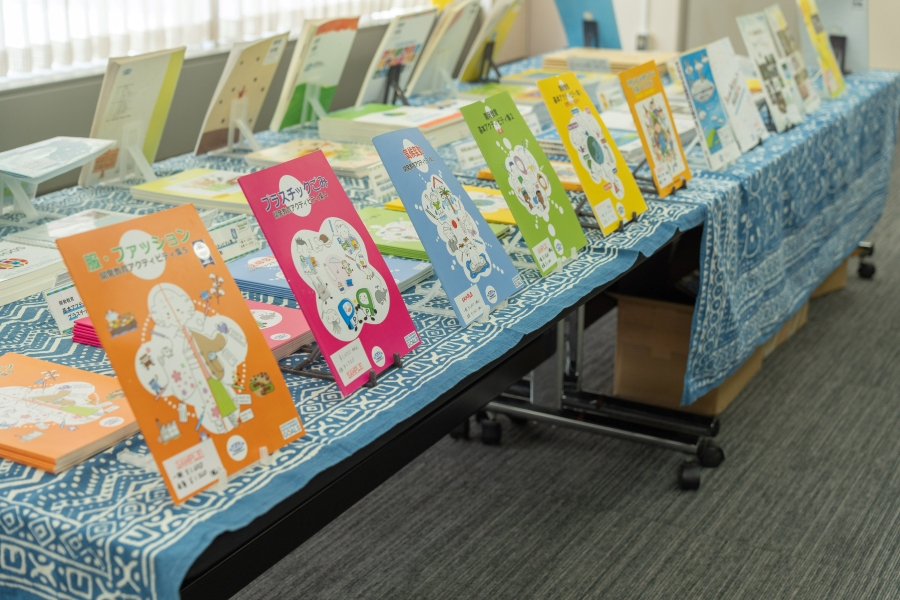
Photo Courtesy: DEAR
DEAR publishes a variety of educational materials, books, and tools that are useful in schools, youth education programs, and lifelong learning facilities.
“Our team, consisting primarily of members, is responsible for developing the learning materials. Member suggestions often determine what kind of educational materials we create. Members take an active role and are involved in creating materials—that’s what makes DEAR unique,” says Ms. Nakamura. Over the span of one to two years, the materials are refined into practical content through expert supervision and by incorporating feedback from teachers and students.
Among the many educational materials available, If the World Were a Village of 100 People (DEAR, 2025, First Edition 2003) : Workshop Edition boasts a circulation of over 20,000 copies. Using learning materials that depict the world as a village of 100 people, learners may physically experience the world’s diversity and the gap between wealth and poverty.
“Some people who studied this learning material during their student days have contacted me since becoming teachers themselves, saying things like, ‘I’ve never forgotten that workshop experience,’ or ‘I wanted to try that in my own classes.’ It makes us very happy to hear such feedback. We believe that with educational materials like these, learning isn’t the end goal—what comes after is what really matters. We hope that participants will not only take part in the learning process but also turn their attention to global issues and develop the ability to engage proactively in society,” says Ms. Nakamura.
Deepening Students’ Understanding of Multicultural Coexistence Through Each Individual’s Story
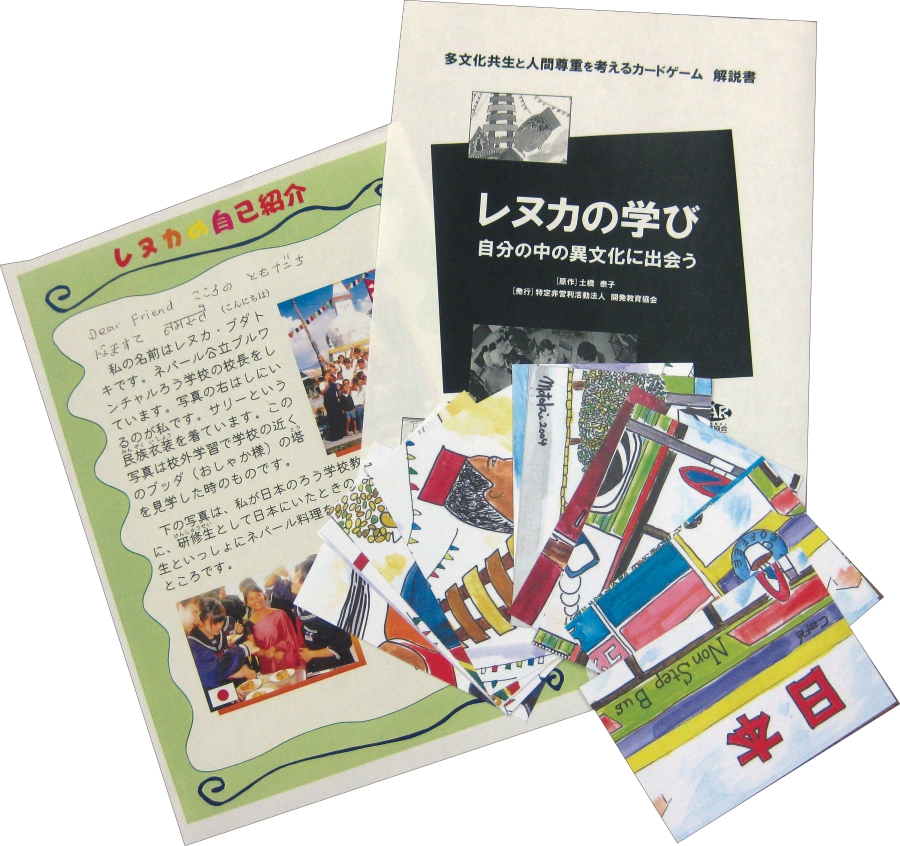
Photo Courtesy: DEAR
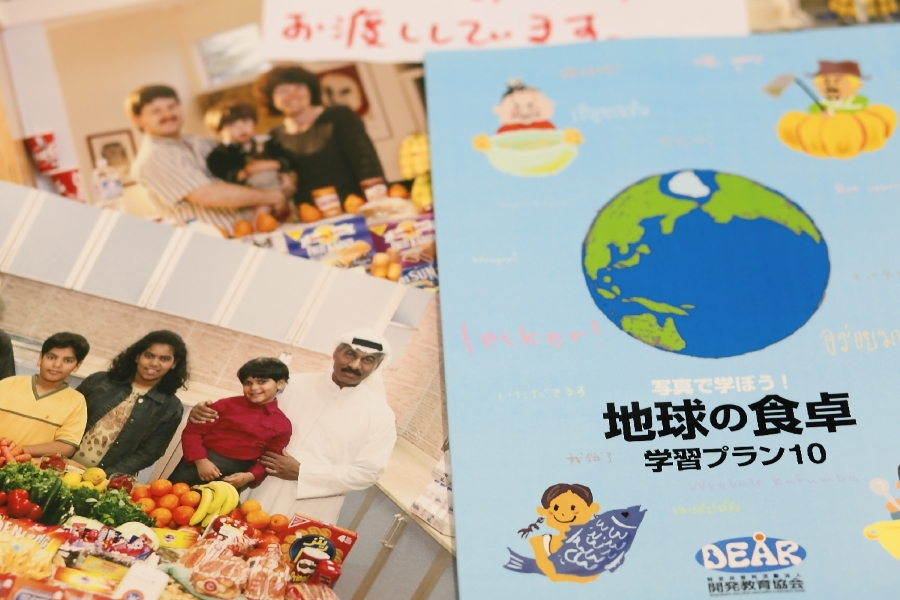
Photo Courtesy: DEAR
In recent years, as awareness of the SDGs has grown, so has understanding of development education and, along with that, requests for DEAR to send instructors to address the theme of multicultural coexistence have also increased.
Many of DEAR’s educational materials provide an easy-to-understand approach to multicultural coexistence. For example, in Renuka’s Journey of Learning—Encountering the ‘Other Culture’ Within Myself, participants use a card game format to learn about the differences in lifestyles and values between Nepal and Japan - as well as shifts in their own perspectives - based on the real-life experiences of Renuka, a real Nepalese person. In this learning material, students explore multicultural coexistence through everyday life situations, enabling them to become aware of the assumptions and biases they have unconsciously formed within themselves. Another key feature of the learning materials is that they help students understand diversity at the individual level, rather than just at the national level.
“While it’s important to understand the current situation through data and statistics, specific personal stories make it easier to visualize the issues and deepen our understanding. We want students to gain real, firsthand experience by hearing the authentic voices of various people through the learning materials. People tend to hesitate to engage with topics related to development because they’re considered difficult, but no one is unaffected by what’s happening in society today. That’s exactly why we should think and discuss at the same time. Even if students don’t have a clear opinion, I think it’s fine to start by simply talking about how they feel about various news stories,” says Ms. Nakamura.
Organizing Workshop-style Events to Expand the Reach of Development Education Nationwide
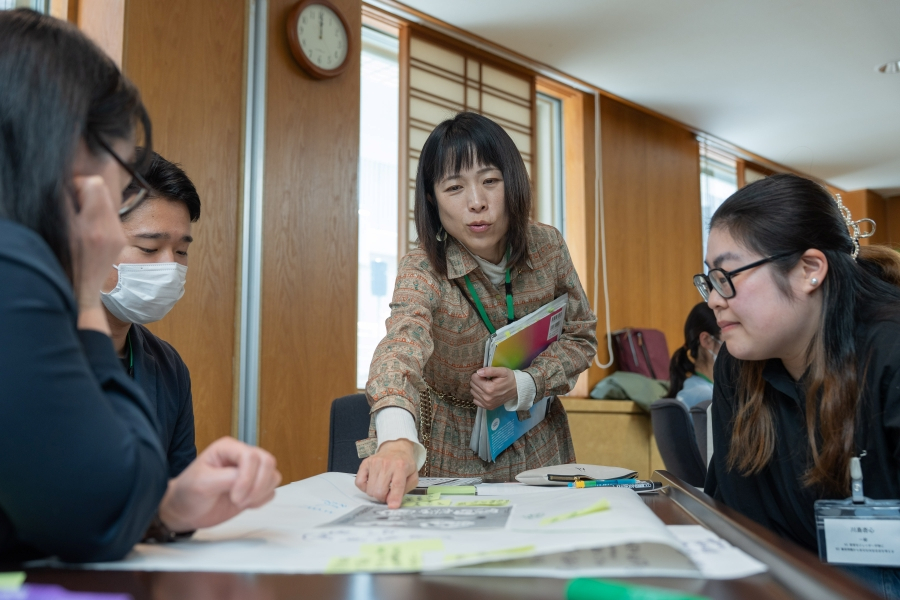
Photo Courtesy: DEAR
DEAR also conducts training sessions for teachers and instructors to promote development education. Every March, DEAR hosts the “Manabi DE (Development Education) Festa,” where participants can experience development education through a variety of workshops. In 2026, approximately 80 people, including high school students and teachers, participated.
“Facilitation is crucial in group-based learning. It is important for teachers not to simply give students the correct answers, but to create an environment where students can think for themselves and discuss ideas,” says Ms. Nakamura.
Japanese teachers work long hours by global standards and are overwhelmed with various duties, so many of them do not have the time to address international issue topics, or engage in development education. DEAR’s teaching materials and training programs are extremely helpful even for teachers who feel unsure about how to teach.
“Everyone—children and adults alike—has the capacity to learn. Depending on how the theme is framed and how the questions are posed, students can naturally begin to think for themselves, such as, ‘I want to know more,’ or ‘Why hasn’t this problem been solved?’ Through workshops, participants engage in dialogue with one another and try to see things from others’ perspectives, which stirs their emotions and creates lasting, memorable experiences. We hope to create that kind of learning environment.”
In recent years, DEAR has been receiving inquiries from high school students who want to try creating their own workshops, as well as proposals from outside organizations to jointly develop educational materials. Through the process of creating workshops and educational materials, everyone involved can engage with social issues from various perspectives and deepen their learning.
Development Education: Fostering the Ability to Raise Issues Independently and Continue Thinking
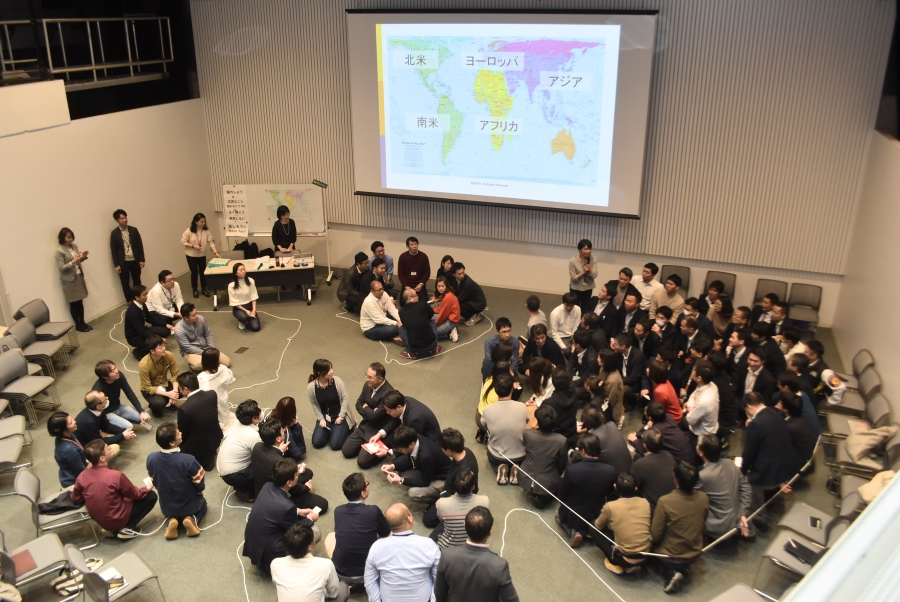
Photo Courtesy: DEAR
DEAR publishes a journal, Development Education, which compiles research papers and contributions from practitioners in the field of development education. In addition, the organization conducts study group activities focused on specific themes, such as the SDGs and gender issues. Every August, the “d-lab (National Conference on Development Education)” brings together members from across the country and others interested in development education to share case studies and research. Every few years, d-lab is held outside of Tokyo to focus on regional issues as well.
“It is also important to learn about the history and challenges of regional development, including those of the Ainu people of Hokkaido, Okinawan emigrants to overseas, as well as industries and natural resources found in various regions. The challenges we face right now are, in fact, linked to our country’s policies and systems, as well as global issues. Understanding local issues helps us understand the world, and by deepening cooperation among communities, we may find a way to solve them,” says Ms. Nakamura. She says she wants to expand opportunities for involvement in development education throughout Japan.
The mission of the organization, which aims to build a fair and sustainable society, is to foster global citizenship—where each individual “learns, thinks, and acts.”
“We are so caught up in our daily lives that it is difficult for us to constantly think about the various issues facing us both domestically and internationally. However, if there’s anything that concerns you, I hope you’ll take a moment to stop and think about it. Society will not change unless we ourselves encounter a problem and, by putting ourselves in someone else’s shoes, come to understand its background and structure. DEAR aims to create opportunities for people to take an interest in, reflect on, and deepen or broaden their understanding of issues such as why inequality exists and what fairness truly means,” Ms. Nakamura says emphatically.
DEAR’s activities show us a solid step toward realizing a multicultural society.