


Close UP
NPO Nippon Bengal Friends Circle ~Bangladesh and Japan: Building a Bridge of Kindness to Create an Inclusive Society Where No One Is Left Behind~
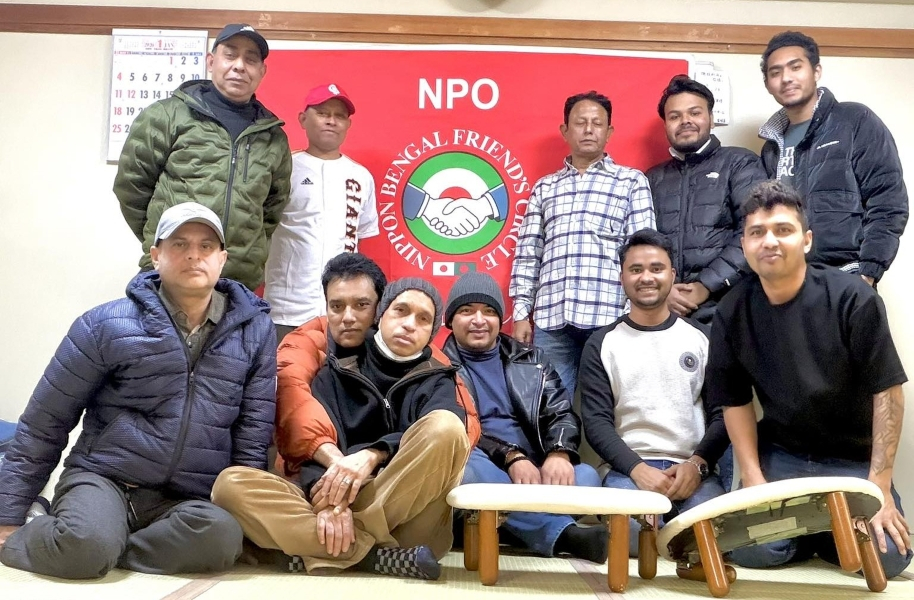
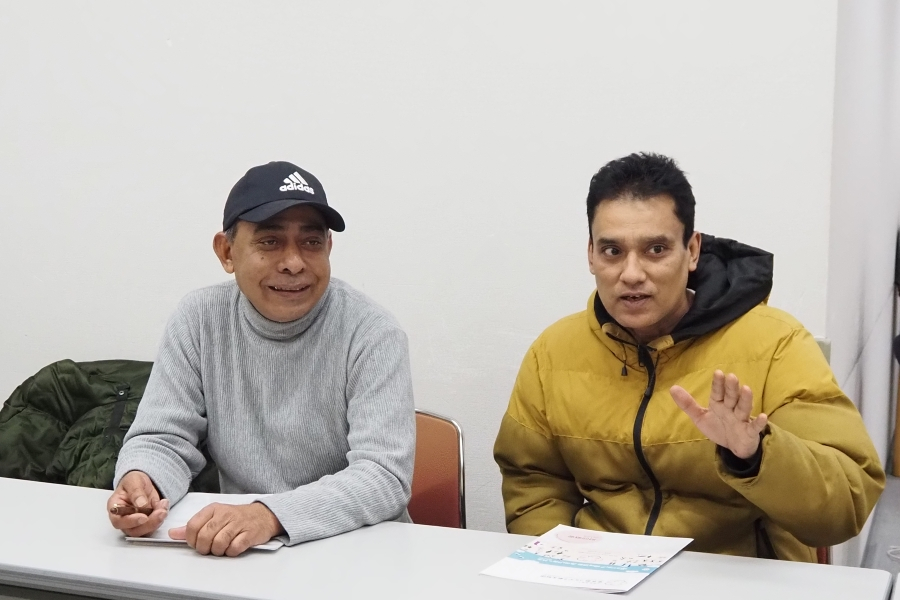
We interviewed Mr. Salam, a representative (top row, far left), and Mr. Pavel, the deputy representative (bottom row, second from left).
The Nippon Bengal Friends Circle, led by Mr. Salam, is a nonprofit organization (NPO) headed by Mr. Salam, who has lived in Japan for 37 years. Mr. Salam is engaged in a wide range of activities, including providing supplies and food aid, and women’s vocational training in Bangladesh, running food pantries, and operating a children’s cafeteria in Japan.
- A soccer team has become a support organization working for Bangladesh and Japan
- Supporting People Living in Japan, in the Japanese Way
- Children’s Cafeteria, Where People of All Generations and Nationalities Gather Around the Table as One Family
- Supporting Those in Need Through Non-Monetary Means, Delivering Solid Assistance, and Helping Them Become Self-Reliant
- Continuing to Explore What They Can Do to Ensure No One is Left Behind
A soccer team has become a support organization working for Bangladesh and Japan
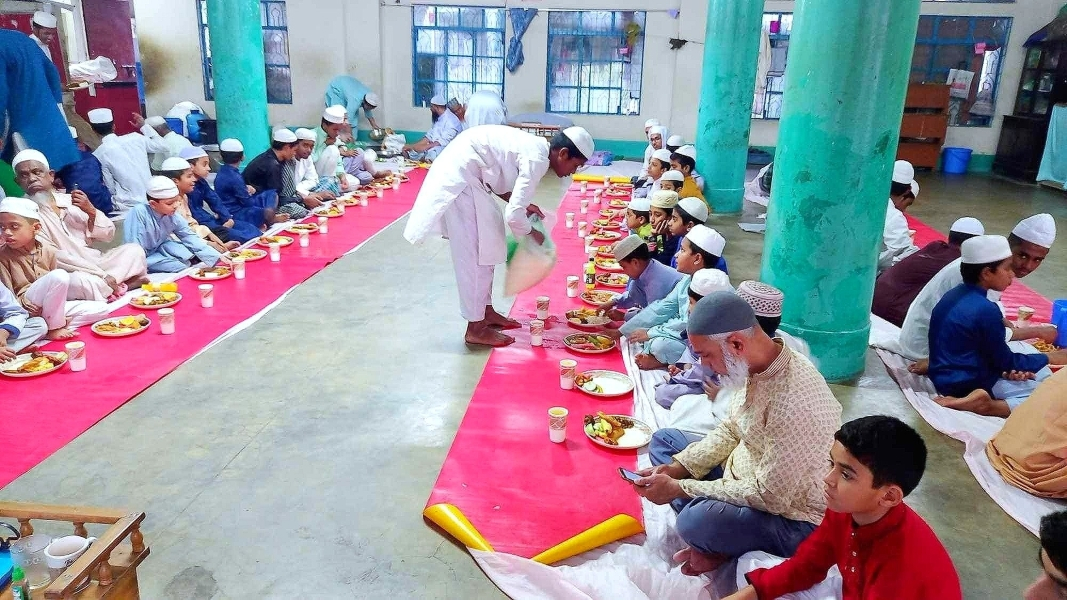
Photo Courtesy: Nippon Bengal Friends Circle
The NPO Nippon Bengal Friends Circle, which conducts various activities in Japan and Bangladesh, originated as a soccer team formed by friends from Bangladesh. The members actively gathered for practices and matches, but as they grew older, they discussed how to maintain their connection. What they ultimately decided on was support activities for their homeland, Bangladesh.
“We discussed what we could do from Japan for Bangladesh. In Bangladesh, flooding occurs several times a year. Furthermore, in many poor villages, numerous children are unable to attend school. Helping everyone is difficult, but we can continue to provide support, even if only little by little. Starting in 2011, we began chipping in 500 yen each month for supplies and food aid,” says Mr. Salam. Mr. Salam and his friends distributed blankets to about 200 people each year in a rural town in Bangladesh, where the cold is unbearable in winter. “Since 500 yen per person wasn’t quite enough to buy blankets, I jokingly said we should skip one drinking party and collect money from everyone,” says Mr. Salam.
In 2018, the group organized as an NPO and began more substantial activities in Bangladesh. It also started planning activities in Japan. The organization consists of about 30 Bangladeshi members and 5 to 6 Japanese members. While each person participates in activities at their own pace, they gather together as a whole group once every two years.
Supporting People Living in Japan, in the Japanese Way
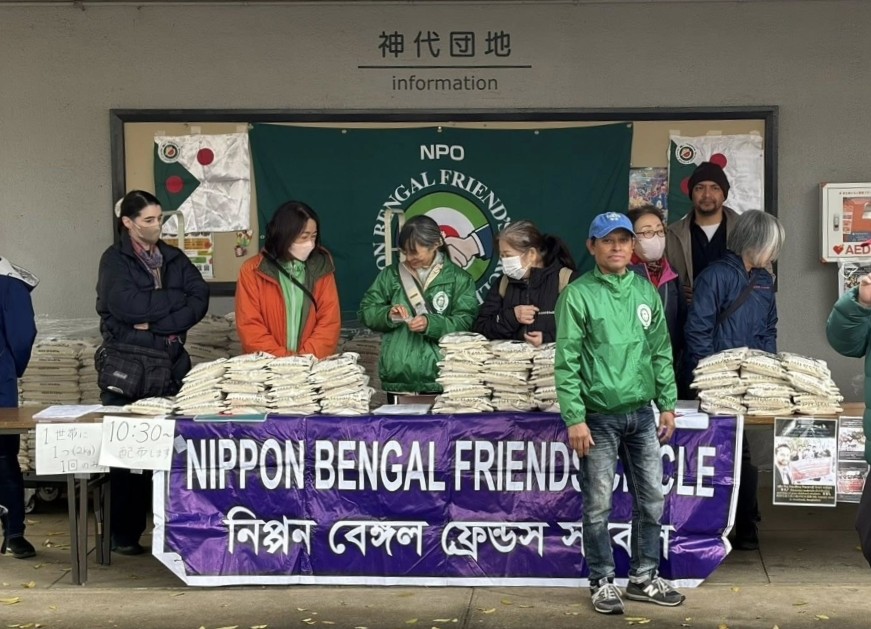
Photo Courtesy: Nippon Bengal Friends Circle
As the Nippon Bengal Friends Circle explored activities in Japan, the COVID-19 pandemic began to spread. While Japan was facing a severe mask shortage, Mr. Salam received a message from a friend stating that they had a large stockpile of masks.
Mr. Salam and his group decided to distribute masks to people in need in Japan, and purchased masks from a friend. However, they initially didn’t know how to distribute the masks. “So, I consulted the chairman of the local housing complex, who referred me to the Chofu City Citizen Plaza, where they connected me with the Social Welfare Council. With the cooperation of the Social Welfare Council, we distributed masks at nursing homes, daycare centers, and facilities for people with disabilities. And many people were very pleased.”
Following a suggestion from a staff member of the Social Welfare Council whom they met at that time, Mr. Salam and his group decided to organize a food pantry as part of their organization’s activities.
“When we Bangladeshis lost our jobs during the COVID-19 pandemic, we were helped by Japanese people like the Social Welfare Council, so we wanted to support those in need too. We also received the suggestion to use only halal ingredients, but since we’re operating in Japan, we wanted to offer ingredients familiar to Japanese people. So, we selected ingredients while listening to the opinions of Japanese people,” says Mr. Salam.
In 2024, they distributed seven items—including rice, eggs, soy sauce, mochi, and cooking oil—to 150 people. In the second year, they also prepared ingredients for 150 people; however, after Mr. Salam and the others dropped flyers into mailboxes one by one to announce the distribution, 400 people showed up. “We ran out of items to distribute, so we had to reduce the number of items we handed out during the distribution, and added ingredients at the last minute. I was shocked to see so many people in need. We’re constantly reflecting on our approach and refining our methods,” says Mr. Salam.
Children’s Cafeteria, Where People of All Generations and Nationalities Gather Around the Table as One Family
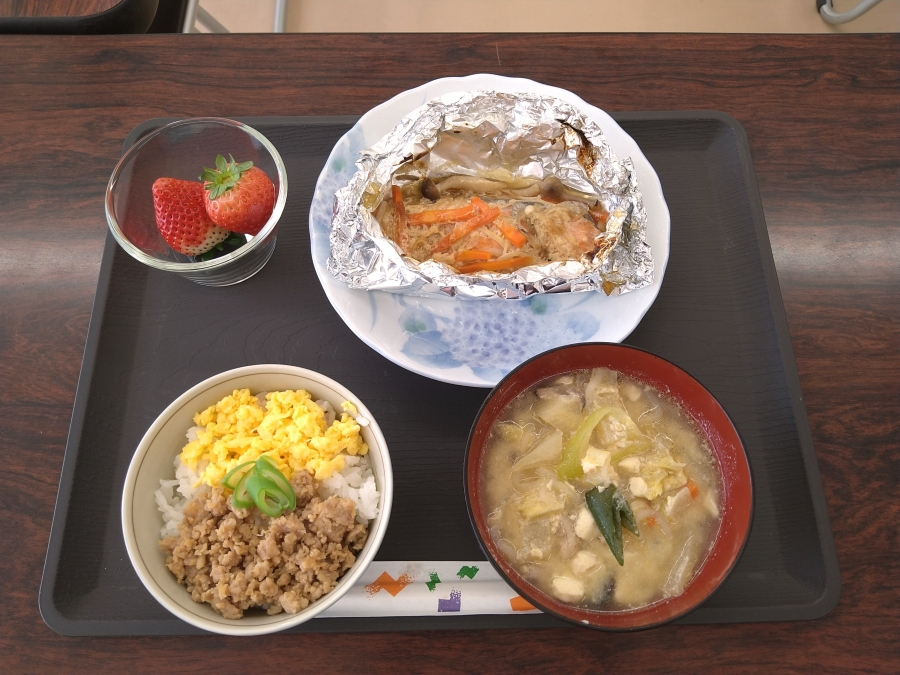
Photo Courtesy: Nippon Bengal Friends Circle
Furthermore, the Nippon Bengal Friends Circle holds a children’s cafeteria every month. Mr. Salam and other members with careers as school cafeteria workers and nutritionists are renowned for creating dishes made with a commitment to safety and comfort. Some sessions include hands-on experiences like soba noodle making, while others feature seasonal menus for events like Tanabata and Christmas. There are also sessions serving international cuisine from countries like Bangladesh. The Nippon Bengal Friends Circle goes beyond simply eating meals; each gathering is carefully planned to foster interaction among participants, such as through shared cooking experiences.
“When we first started the children’s cafeteria, there was a bit of tension—perhaps both we Bangladeshis and the Japanese people were a little afraid of each other. But if we spoke Japanese (to each other), we’d gradually become closer. Now, many people join us every month, and they’ve become like family and friends in Japan. I'm everyone’s uncle,” Mr. Salam says with a smile.
There is an international university student dormitory in Chofu City, and foreign students also participate in the children’s cafeteria. Everyone takes responsibility for the children’s cafeteria, and various ideas emerge from the participating members. They have become one family gathered around the table, transcending generations and nationalities.
Supporting Those in Need Through Non-Monetary Means, Delivering Solid Assistance, and Helping Them Become Self-Reliant
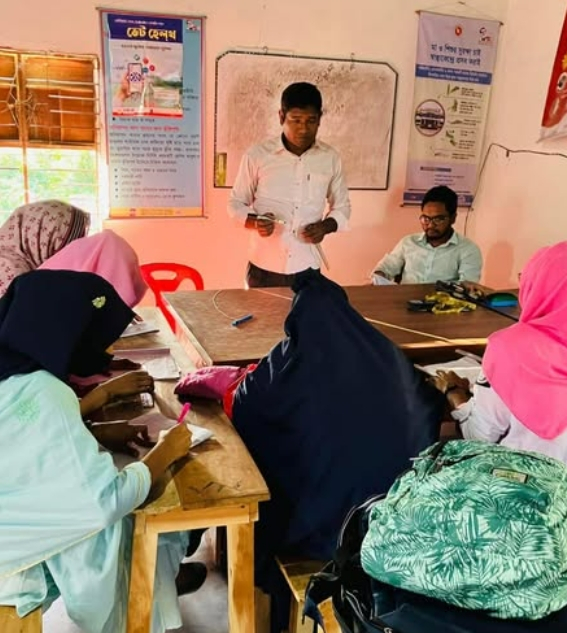
Photo Courtesy: Nippon Bengal Friends Circle
The Nippon Bengal Friends Circle’s activities in Bangladesh primarily focused on food and supply donations in the past. However, aspiring to make a greater impact, they began managing a vocational training school. Bangladesh has a large garment industry, but the reality is that without experience, it is difficult for women to find work. So, the organization opened a vocational training school to teach women how to use sewing machines and to cut patterns. The vocational training school offers free courses lasting approximately three months, and students with excellent grades receive a sewing machine upon graduation. Mr. Pavel, the Vice President of the organization, passionately states that he wants the program to not only be about learning for the participants, but also to lead to job opportunities. To date, over 400 women have graduated, and many are forging their own paths.
In 2025, they opened a library for children to help those from families unable to afford books.
“We've always wanted to run a children’s library. Most libraries in Bangladesh are for adults, leaving many children unable to access books. I want to find out what challenges children face as we go along, listening to everyone, and increasing the number of children who interact with books, even if it’s just one more child,” says Mr. Salam.
Continuing to Explore What They Can Do to Ensure No One is Left Behind
With many foreigners coming to Japan, what Mr. Salam has been concerned about lately is the presence of people with disabilities. “With the increasing number of foreigners, we may start receiving inquiries from foreign nationals with disabilities in the future, so we feel that we need to consider those matters as well. People with disabilities face difficulties finding work, no matter what country they’re in, right? We’re thinking carefully about how to make it work and what we can do,” says Mr. Salam.
Furthermore, prompted by an invitation from Mr. Salam’s friend, the Nippon Bengal Friends Circle also conducts training sessions for dementia supporters based on the concept of multicultural coexistence.
“With the increasing number of elderly people, especially those living alone, in addition to the children’s cafeteria, we should consider developing activities for seniors. Things like cooking and eating together, or having people with dementia gather to chat. I'm also taking the dementia supporter training, too,” says Mr. Salam.
Finally, we asked Mr. Salam about their motivation for developing various activities as an organization.
“Both Pavel-san and I have lived in Japan for 37 years, spending more years here than in our own country. It's challenging to balance this work with my regular job, but I want to keep doing what we can for people in need in Japan and in Bangladesh,” says Mr. Salam.
Nippon Bengal Friends Circle began with a pure desire to reach out to those in need and to do something for them. Its activities connect Japan and Bangladesh, as well as people to people, with a bridge of kindness.